Adani Group's $11.5 billion aluminium plant: Odisha is eastern India's growth engine, says Karan Adani
Synopsis
Adani Group and Abu Dhabi's IHC have committed $11.5 billion — nearly ₹1.08 lakh crore — to a landmark aluminium plant in Odisha, with Karan Adani positioning the mineral-rich state as the engine of eastern India's industrial future. The scale and the Gulf capital partnership make this one of the most significant industrial bets on Odisha to date.
Key Takeaways
Adani Group and Abu Dhabi-based IHC announced a landmark aluminium plant in Odisha on 2 July with a proposed investment of $11.5 billion (nearly ₹1.08 lakh crore ).
Karan Adani , MD of APSEZ , described Odisha as 'the heart of eastern India's economic development.' Odisha holds the largest bauxite reserves in India and over 50 per cent of the country's iron ore reserves .
The project is framed as a building block of PM Narendra Modi 's 'Viksit Bharat by 2047' mission and a 'Samrudh Odisha by 2036' goal.
Specific job creation numbers and project timelines were not disclosed at the announcement.
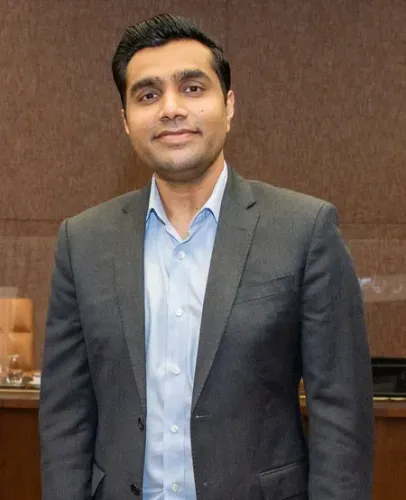
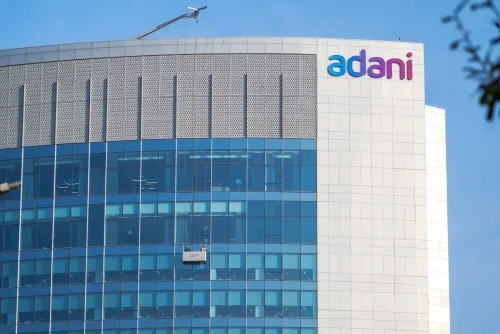
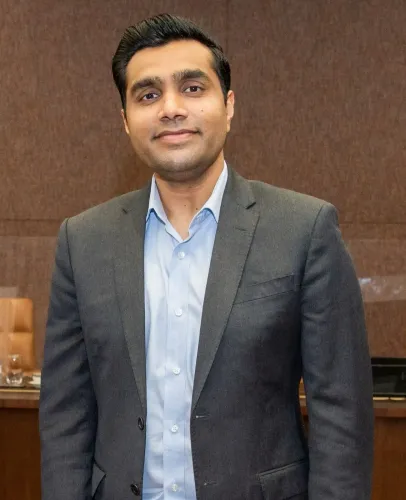
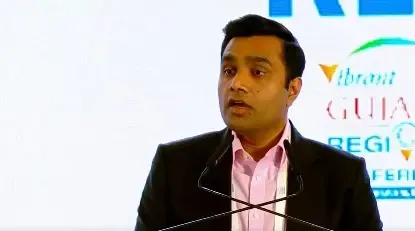
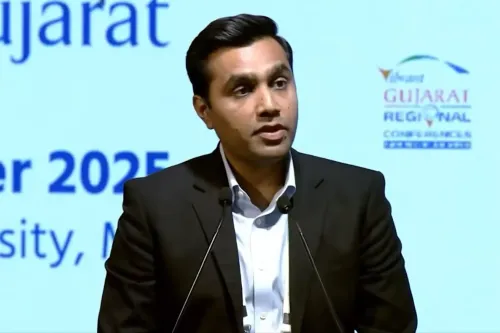
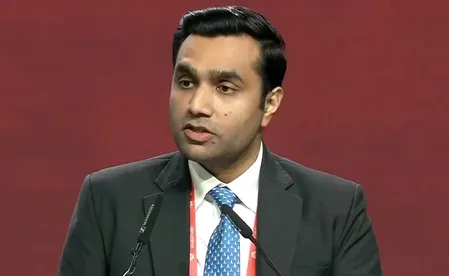
Karan Adani, Managing Director of Adani Ports and Special Economic Zone Limited (APSEZ), on Thursday, 2 July declared that Odisha is the heart of eastern India's economic development, as Adani Group announced a landmark aluminium plant in the state in partnership with Abu Dhabi-based International Holding Company (IHC), carrying a proposed investment of $11.5 billion (nearly ₹1.08 lakh crore). The announcement marks one of the largest single industrial commitments in Odisha's history.
What the Project Represents
Addressing the gathering, Karan Adani conveyed that Adani Group Chairman Gautam Adani 'sees in Odisha not just resources, but resilience — not just geography, but destiny. Not just potential, but the power to lead India's next wave of industrial growth.' The aluminium plant, he said, is 'a major step in that direction.'
The venture brings together one of India's largest conglomerates and a major Gulf sovereign-linked investor, signalling growing international confidence in Odisha's industrial potential. The IHC partnership also reflects a broader trend of West Asian capital seeking stakes in India's resource-processing sectors.
Odisha's Strategic Resource Advantage
Karan Adani highlighted the state's unmatched mineral endowment as the foundation for the investment. Odisha holds the largest bauxite reserves in India, more than 50 per cent of the country's iron ore reserves, and substantial coal reserves that underpin both power and industrial growth.
'Odisha is a unique land where ancient heritage and modern aspirations come together,' he said, describing the state as India's industrial backbone contributor. The aluminium plant is designed to process these raw materials domestically, adding value rather than exporting unprocessed ore — a shift that state and central governments have long sought to accelerate.
From Raw Material Supplier to Manufacturing Hub
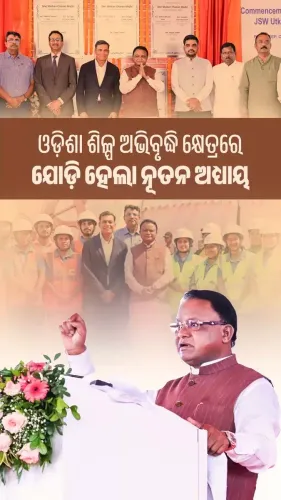
Karan Adani credited Chief Minister Mohan Charan Majhi and his administration's proactive policy environment for enabling the transition. 'With strong policy support, Odisha is transitioning from a raw material supplier to a value-added manufacturing hub,' he said.
This repositioning aligns with a decade-long national ambition to move up the industrial value chain. Notably, Odisha has in recent years attracted several large-ticket investments in steel, aluminium, and petrochemicals — suggesting the state is emerging as a preferred destination for capital-intensive manufacturing.
Viksit Bharat and Odisha's Role
Framing the project within Prime Minister Narendra Modi's 'Viksit Bharat by 2047' mission, Karan Adani said: 'A Viksit Bharat will require Viksit Odisha and a Samrudh Odisha by 2036 — an Odisha that adds value to its minerals, builds world-class manufacturing ecosystems, and generates jobs for its youth.'
He described the plant as an opportunity to 'strengthen the local economy, support entrepreneurs, and take Odisha to the world.' The project is expected to generate significant direct and indirect employment, though specific job creation figures were not disclosed at the announcement.
What Comes Next
Details on the project timeline, phased investment schedule, and regulatory clearances are yet to be formally disclosed. The scale of the commitment — at ₹1.08 lakh crore — places it among the largest foreign-linked industrial investments in eastern India, and will likely draw scrutiny from environmental and community stakeholders given the region's ecological sensitivity.
Point of View
But the real story is structural: Adani and IHC are betting that Odisha can finally break free of its decades-long role as a raw material exporter. That transition has been promised before — and repeatedly stalled by land acquisition disputes, environmental clearance bottlenecks, and community resistance. The Gulf capital angle adds geopolitical weight, but also raises questions about profit repatriation and domestic value retention that the announcement leaves unanswered. Until job creation targets, environmental impact assessments, and phased disbursement schedules are public, the ₹1.08 lakh crore headline should be read as intent, not delivery.
NationPress
2 Jul 2026
Frequently Asked Questions
What is the Adani-IHC aluminium plant project in Odisha?
It is a proposed aluminium manufacturing plant in Odisha announced on 2 July by Adani Group and Abu Dhabi-based International Holding Company (IHC), with a combined investment of $11.5 billion (nearly ₹1.08 lakh crore). The project aims to process Odisha's vast bauxite reserves domestically, adding industrial value rather than exporting raw ore.
Who is IHC and why is its involvement significant?
International Holding Company (IHC) is an Abu Dhabi-based conglomerate with sovereign-linked backing, making its participation a signal of West Asian capital's growing interest in India's resource-processing sector. The partnership adds international credibility and financing depth to the project.
Why is Odisha chosen for this investment?
Odisha holds India's largest bauxite reserves, over 50 per cent of the country's iron ore reserves, and significant coal deposits — making it a natural fit for aluminium manufacturing, which is bauxite-intensive. A proactive state government under Chief Minister Mohan Charan Majhi has also been cited as a key enabler.
How does this project connect to 'Viksit Bharat 2047'?
Karan Adani explicitly framed the aluminium plant as a building block of Prime Minister Narendra Modi's national mission of 'Viksit Bharat by 2047,' which envisions India as a developed economy. He also referenced a 'Samrudh Odisha by 2036' goal, linking state-level industrial growth to the broader national target.
What details are still awaited on the project?
The announcement did not disclose specific job creation numbers, a phased investment timeline, or the status of environmental and regulatory clearances. These details will be critical to assessing the project's actual on-ground impact and feasibility.