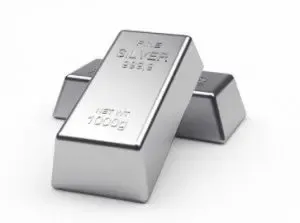
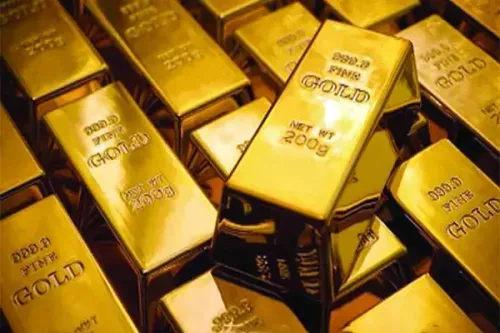
Have Gold and Silver ETF Assets Surpassed Rs 3 Lakh Crore AUM?
Synopsis
The assets under management for gold and silver ETFs have soared to unprecedented heights, surpassing Rs 3 lakh crore, as reported by AMFI. This growth reflects a strategic shift among investors towards defensive assets amid market volatility. Discover the factors driving this surge and expert recommendations for long-term investments.
Key Takeaways
Gold and silver ETFs AUM reached Rs 3 lakh crore.
Investor inflows peaked in January.
Significant growth in ETF folios.
Long-term investors advised to diversify.
Market volatility impacts investor strategy.
Mumbai, Feb 11 (NationPress) The total assets under management (AUM) for gold and silver exchange-traded funds (ETFs) have reached unprecedented levels, exceeding Rs 3 lakh crore in January, as per data from the Association of Mutual Funds in India (AMFI).
This remarkable growth represents a nearly threefold increase within just five months, rising from Rs 1 lakh crore in August 2025. This surge was propelled by substantial investor inflows, despite considerable price fluctuations.
Accompanying this growth was a significant increase in folios, with gold ETF folios climbing to 1.14 crore from 80.34 lakh, while silver ETF folios rose to 47.85 lakh from 11.31 lakh during the same timeframe.
January witnessed record inflows, with gold ETFs attracting Rs 24,039 crore and silver ETFs bringing in Rs 9,463 crore, as reported by AMFI.
These total inflows surpassed the equity fund inflows of Rs 24,029 crore for the month. In comparison, December's combined inflows into gold and silver ETFs were Rs 15,609 crore, while equity funds saw Rs 28,055 crore.
Experts have noted that this trend indicates a temporary shift by investors towards defensive assets amid reduced inflows into equity mutual funds due to ongoing macroeconomic uncertainties.
They recommend that long-term investors maintain a disciplined allocation to precious metals, ideally around 10–15 percent of their portfolio, and favor systematic investment plans over lump-sum purchases at high prices.
As of the end of January, the AUM for open-ended equity-oriented schemes was Rs 34.86 lakh crore, while open-ended debt-oriented schemes managed Rs 18.90 lakh crore.
Himanshu Srivastava, Principal Researcher at Morningstar Investment Research India, shared that flows remain positive despite market volatility, buoyed by consistent SIP contributions and enduring confidence in the long-term growth outlook for Indian equities.
He mentioned that the slowdown in overall inflows was primarily due to reduced momentum in mid and small-cap segments, while large-cap and focused funds experienced significant inflows in January, surpassing those of December.
Point of View
I emphasize the importance of understanding market dynamics. The recent surge in gold and silver ETF assets signals a strategic pivot by investors towards safer assets amid economic uncertainties. It highlights the necessity for disciplined investment strategies, especially in precious metals. Staying informed and adaptable is crucial for navigating these evolving financial landscapes.
NationPress
24 Sept 2026
Frequently Asked Questions
What are the recent trends in gold and silver ETFs?
The combined AUM of gold and silver ETFs has surpassed Rs 3 lakh crore, reflecting significant investor inflows and a shift towards defensive assets.
How much did gold and silver ETFs inflate in January?
In January, gold ETFs attracted Rs 24,039 crore, while silver ETFs received Rs 9,463 crore in inflows.
What should long-term investors consider for precious metals?
Experts suggest maintaining an allocation of 10–15% in precious metals and utilizing systematic investment plans.
How do current inflows compare to equity funds?
Combined inflows into gold and silver ETFs exceeded those of equity funds, which recorded Rs 24,029 crore in January.
What is the outlook for the Indian equity market?
Despite market volatility, there is sustained confidence in the long-term growth potential of Indian equities, supported by SIP contributions.