Indian Government Orders Telegram to Tackle Piracy Amid OTT Complaints

Synopsis
The Indian government has taken a significant step by demanding Telegram to remove pirated content following complaints from several OTT platforms. This move highlights the ongoing battle against online piracy and the protection of copyright in the digital age.
Key Takeaways
The Indian government is enforcing action against Telegram for pirated content.
3,142 channels have been identified for distributing illegal materials.
This move aims to protect copyright in the digital age.
Previous bans on OTT platforms highlight ongoing concerns over content regulation.
Compliance with legal guidelines is essential for online platforms.
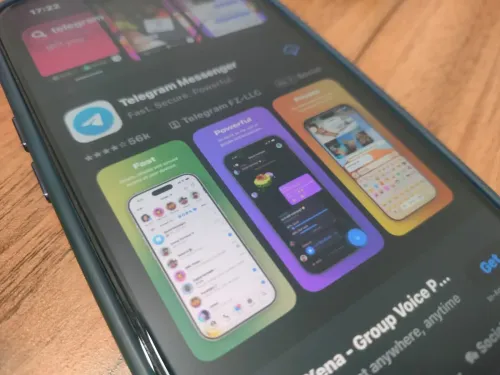
New Delhi, March 11 (NationPress) On Wednesday, the Indian government urged the messaging service Telegram to eliminate pirated materials from its platform. This request followed numerous complaints from various OTT services regarding the extensive distribution of copyrighted films and web series. The Ministry of Information and Broadcasting (MIB) dispatched a notice to Telegram under the Information Technology Act, 2000, mandating the platform to take measures against piracy and remove unauthorized content.
This action is a response to grievances from OTT services like JioCinema and Amazon Prime Video, which claimed that their copyrighted works were being shared broadly on Telegram without the necessary permissions.
Upon reviewing the complaints, authorities pinpointed 3,142 Telegram channels purportedly involved in disseminating pirated materials, including films, series, and other copyrighted content.
Reports suggest that Telegram's functionalities, such as its substantial file-sharing capacity and user anonymity, have been exploited by some individuals to facilitate large-scale piracy.
This initiative comes shortly after the ministry prohibited five OTT platforms for streaming content deemed inappropriate. These platforms include MoodXVIP, Koyal Playpro, Digi Movieplex, Feel, and Jugnu.
Previously, in July 2025, the Centre had instructed the blocking of 25 OTT platforms for allegations of streaming content categorized as obscene, vulgar, or pornographic.
The affected platforms included ALTT, ULLU, Big Shots App, Desiflix, Boomex, Navarasa Lite, Gulab App, Kangan App, Bull App, Jalva App, ShowHit, Wow Entertainment, Look Entertainment, Hitprime, Feneo, ShowX, Sol Talkies, Adda TV, HotX VIP, Hulchul App, MoodX, NeonX VIP, Fugi, Mojflix, and Triflicks.
According to Rule 3(1)(b) of the Information Technology (Intermediary Guidelines and Digital Media Ethics Code) Rules, 2021, online platforms must not host or disseminate content that is obscene, pornographic, invasive of privacy, or promotes hate and violence.
This latest government measure is part of a more extensive initiative to combat online piracy and regulate objectionable digital content across various platforms.
Point of View
The government's intervention to curb online piracy signals a commitment to protecting intellectual property rights in the digital landscape. This action is a necessary step to ensure that the rights of creators are upheld while balancing the dynamics of digital communication platforms.
NationPress
29 Sept 2026
Frequently Asked Questions
What prompted the government to act against Telegram?
The government acted following complaints from various OTT platforms regarding the large-scale sharing of copyrighted movies and web series on Telegram.
How many channels were flagged for piracy?
Authorities identified 3,142 Telegram channels allegedly involved in distributing pirated content.
What are the potential consequences for Telegram?
Telegram may face legal repercussions under the Information Technology Act if it fails to comply with the government's directive to remove pirated content.
What has been the government's previous stance on OTT platforms?
Previously, the government banned several OTT platforms for streaming content deemed obscene, signaling its commitment to regulating digital content.
What are the regulations governing online content in India?
The Information Technology (Intermediary Guidelines and Digital Media Ethics Code) Rules, 2021, prohibit online platforms from hosting or publishing certain types of objectionable content.