Instagram CSEAM notice: Govt awaits Meta's reply before next action, says IT Secretary
Synopsis
India's IT Ministry is holding its next move against Meta in abeyance — waiting for a formal reply to a notice over child sexual abuse material allegedly appearing in paid Instagram ads. The fact that CSEAM reportedly surfaced in monetised advertisements, not just organic posts, makes this a direct challenge to Meta's ad-review infrastructure, and the government's response could set a significant precedent for platform accountability in India.
Key Takeaways
Krishnan confirmed on 9 July that the government will act against Meta only after reviewing its formal reply to the CSEAM notice .
MeitY issued the notice on Saturday , directing Instagram to disable all ads and content linked to child sexual abuse material.
IT Minister Ashwini Vaishnaw had earlier instructed officials to summon Meta and demand an explanation.
Meta published a blog citing AI-based detection and enforcement measures, but this is separate from the formal reply MeitY is awaiting.
Reports alleged that Meta's recommendation algorithm was surfacing CSEAM through paid, monetised advertisements — raising questions about its ad-approval process.
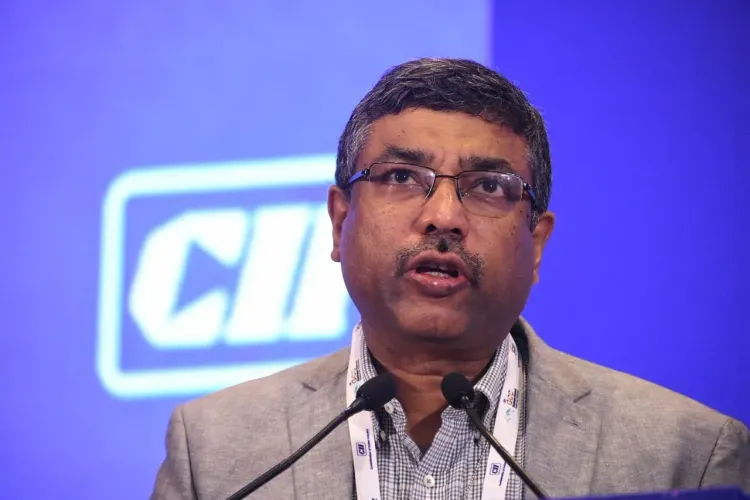
IT Secretary S. Krishnan on Thursday, 9 July said the government will determine its next course of action against Meta only after reviewing the company's formal response to a notice issued over Child Sexual Exploitative and Abuse Material (CSEAM) allegedly promoted through paid advertisements on Instagram. Krishnan made the remarks on the sidelines of the CII GCC Business Summit in New Delhi.
'We will await the formal response to the notice that we have issued, and thereafter we will take a view based on what the response is,' Krishnan said.
Background: The Notice to Meta
The Ministry of Electronics and Information Technology (MeitY) had issued a formal notice to Meta on Saturday following concerns that paid advertisements on Instagram were allegedly promoting and facilitating access to child sexual abuse material. The ministry directed the platform to immediately disable all advertisements and content linked to such material.
Prior to the notice, IT Minister Ashwini Vaishnaw had instructed ministry officials to summon Meta representatives and seek a detailed explanation regarding the alleged presence of CSEAM in Instagram advertisements. Officials also sought specifics on the remedial action the company had already taken.
Meta's Response So Far
Within days of receiving the government's notice, Meta published a blog post outlining its approach to combating child sexual abuse material across its platforms. The company described child exploitation as a 'horrific crime' and stated it deploys artificial intelligence-powered detection systems alongside large-scale enforcement measures to identify and remove abusive content.
Meta further said it would continue investing in technology, strengthen its advertisement review processes, and enhance safeguards to protect younger users. However, the company's blog response is distinct from the formal reply that MeitY is still awaiting.
What the Scrutiny Centres On
The government's action follows reports alleging that Meta's recommendation algorithm had been actively surfacing videos containing child sexual abuse material to users. The claims raise serious questions about the effectiveness of the platform's content moderation systems and the adequacy of its safety mechanisms — particularly given that the material was reportedly appearing in paid, monetised advertisements rather than organic user posts.
This is a significant distinction: paid advertisements pass through an additional layer of platform review before being served to users, making their alleged role in CSEAM distribution a pointed indictment of Meta's ad-approval infrastructure.
Broader Context: India's Stance on Platform Accountability
The notice to Meta is part of a broader pattern of MeitY asserting regulatory authority over major social media intermediaries under the Information Technology (Intermediary Guidelines and Digital Media Ethics Code) Rules, 2021. Platforms that fail to comply with government directions risk losing their 'safe harbour' protections under Indian law, which shield them from liability for third-party content.
Separately, Krishnan also addressed India's infrastructure ambitions at the summit, stating that the country has the 'distinct potential to become the office space of the world — managing not just back-offices, but front-end global operations.' He added that artificial intelligence would be the 'ultimate catalyst' in realising that opportunity.
The government's next move against Meta will depend on the substance of the company's formal reply; officials have not indicated a deadline by which that response is expected.
Point of View
Not algorithmic recommendations alone. Paid ads go through an explicit review layer — meaning Meta's systems would have had to approve them before they reached users. If that is borne out, it is a far graver indictment of the platform's content controls than a recommendation-algorithm failure. MeitY's leverage is real — platforms risk losing safe harbour protections under Indian IT rules for non-compliance — but the government has not set a public deadline for Meta's reply, which reduces the urgency of the ultimatum. How India responds to Meta's formal answer will signal whether the Centre is prepared to move beyond notices toward enforceable consequences.
NationPress
9 Jul 2026
Frequently Asked Questions
What is the CSEAM notice issued to Meta by the Indian government?
The Ministry of Electronics and Information Technology (MeitY) issued a formal notice to Meta after reports alleged that paid advertisements on Instagram were promoting and facilitating access to Child Sexual Exploitative and Abuse Material (CSEAM). The notice directed Meta to immediately disable all such ads and linked content on the platform.
What has Meta said in response to the CSEAM notice?
Meta published a blog post describing child exploitation as a 'horrific crime' and outlining its use of AI-powered detection and large-scale enforcement to remove abusive content. The company also pledged to strengthen its ad-review processes and safeguards for young users, though MeitY is still awaiting a formal written reply to its notice.
What action could the Indian government take against Meta?
IT Secretary S. Krishnan said the government will decide its next course of action after reviewing Meta's formal response. Under India's IT (Intermediary Guidelines) Rules 2021, platforms that fail to comply with government directions risk losing safe harbour protections, which shield them from liability for third-party content.
Why is CSEAM appearing in paid advertisements particularly serious?
Paid advertisements undergo an explicit platform review before being served to users, unlike organic content that may slip through algorithmic filters. If CSEAM was appearing in monetised ads, it suggests a failure in Meta's ad-approval infrastructure — a more direct accountability concern than a recommendation-algorithm lapse.
Who issued the notice and who is overseeing the matter?
MeitY issued the notice, with IT Minister Ashwini Vaishnaw directing officials to summon Meta and seek an explanation. IT Secretary S. Krishnan is the senior official publicly communicating the government's stance as the ministry awaits Meta's formal reply.