Darjeeling tea workers bring flavour to world: Piyush Goyal
Synopsis
Piyush Goyal credited Darjeeling’s tea workers with bringing its distinctive flavour to the world after visiting the gardens and Makaibari Tea Estate. He called for better opportunities for growers and workers, alongside innovation, value addition and new global markets.
Key Takeaways
Union Commerce and Industry Minister Piyush Goyal praised Darjeeling ’s tea workers after visiting its tea gardens.
On 23 November , Goyal described tea plucking as an art involving two leaves and a bud .
Goyal visited Makaibari Tea Estate and highlighted its factory’s heritage.
Goyal said several original machines at the factory remain operational.
The minister called for better opportunities for growers and workers, innovation, value addition and new global markets.
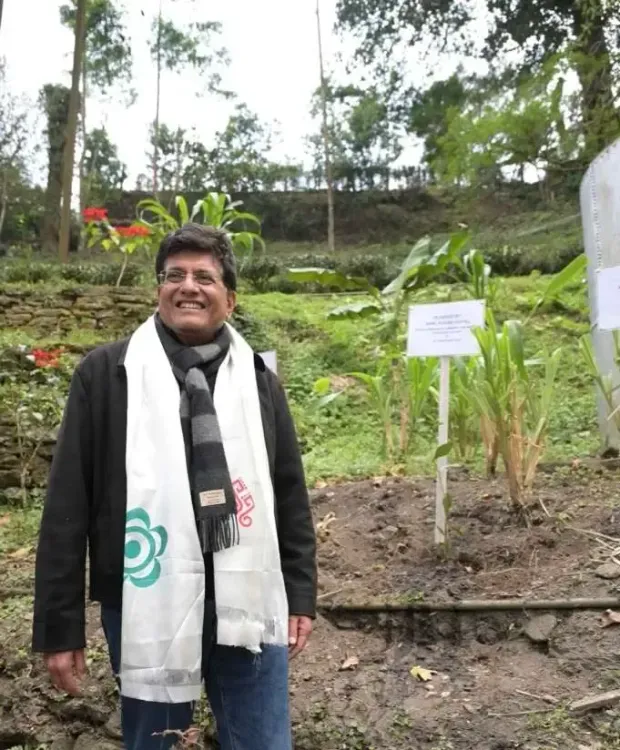
Darjeeling tea workers bring the region’s celebrated aroma and flavour to the world, Union Commerce and Industry Minister Piyush Goyal said on 23 November after visiting tea gardens in Darjeeling. He also called for greater opportunities, innovation and value addition to strengthen India’s tea sector.
In posts on social media platform X, Goyal highlighted the skill involved in plucking tea and described his visit to Makaibari Tea Estate, where he said workers and growers are central to the industry’s future.
Tea pluckers’ craft in focus
Goyal said the work of tea pluckers was essential to the distinctive character of Darjeeling tea. He described plucking as a skilled process that precedes the processing of leaves in factories.
“Tea plucking is an art! Two leaves and a bud, and it's ready to be sent to the factories to be processed,” the minister wrote on X.
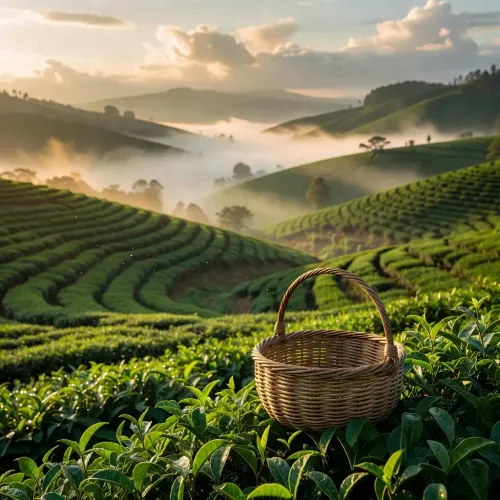
In another post, he said he had captured images of the gardens and of skilled tea pluckers at work. He credited them with helping bring the aroma and flavour of the region’s tea to consumers around the world.
Makaibari estate and its factory
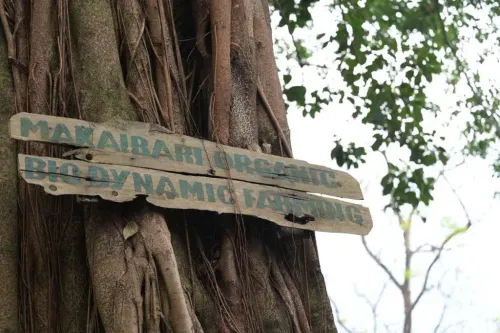
Following his visit to Makaibari Tea Estate, which he described as one of the world’s oldest tea estates, Goyal drew attention to the plantation’s heritage and generations of agricultural knowledge. He also called its tea factory an example of the industry’s living legacy.
The minister said the factory was built using wood, bamboo and cast iron and had developed organically over the years. Several original machines remain operational, according to his account.
Goyal described the factory as “a piece of living history” and said it brought together human ingenuity, nature and agricultural wisdom passed down through generations. His remarks linked the estate’s historic equipment with the knowledge and labour involved in producing tea.
Opportunities for growers and workers
Beyond the estate visit, Goyal said the government wanted to strengthen the tea sector by creating better opportunities at the grassroots. He identified innovation, value addition and access to new global markets as part of that effort.
“And at the heart of it all: the tea growers and workers,” he said, adding that they were the people the government wanted to empower as it strengthened the sector. He also said India’s finest teas had considerable potential in global markets.
The minister’s comments placed both growers and workers within that broader ambition, from cultivation and plucking to processing and sales. His posts did not provide details of a new scheme, funding commitment or implementation timetable.
What comes next for the sector
Goyal’s statement set out priorities for the tea industry rather than a specific programme. Further details would be needed to establish how the proposed opportunities, innovation and value addition would reach growers and workers.
Any subsequent measures can be assessed against the minister’s stated goal of strengthening the sector while opening new markets for India’s teas.
Point of View
But recognition alone does not explain how greater value from tea will reach the people who grow and pluck it. The government’s ambitions for innovation and global markets deserve clear implementation details and measurable outcomes for workers and growers. Without those details, it is too early to assess whether the proposed opportunities will translate into tangible benefits.
NationPress
23 Nov 2026
Frequently Asked Questions
What did Piyush Goyal say about Darjeeling tea workers?
Piyush Goyal said Darjeeling’s skilled tea workers bring the region’s iconic aroma and flavour to the world. He described tea plucking as an art.
Which tea estate did Piyush Goyal visit?
Piyush Goyal visited Makaibari Tea Estate. He highlighted its heritage and said several original machines at its tea factory were still operating.
Why did Goyal highlight tea growers and workers?
Goyal said growers and workers are at the heart of India’s tea sector. He called for better grassroots opportunities as part of efforts to strengthen the industry.
What did Goyal propose for India’s tea sector?
Goyal called for greater opportunities, innovation, value addition and new global markets for Indian tea. His posts did not specify a new scheme or funding amount.
What happens next for the tea sector?
The minister did not announce an implementation timetable in the reported posts. Further details would be needed to establish how the stated priorities will be put into practice.