India leads black tea production, ranks third in exports
Synopsis
India exported 282.11 million kg of tea worth $988.13 million in 2025–26, according to the government. At a Kurseong meeting chaired by Piyush Goyal, stakeholders discussed Darjeeling tea, auction reforms, exports and plantation worker welfare.
Key Takeaways
The government says India is the world’s largest black tea producer and third-largest tea exporter.
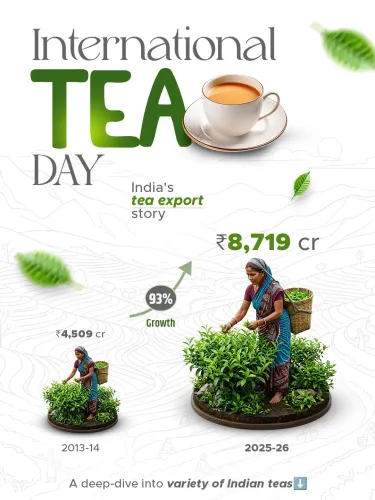
India exported 282.11 million kg of tea worth $988.13 million in 2025–26 .
Commerce and Industry Minister Piyush Goyal chaired an industry interaction in Kurseong, West Bengal .
The meeting covered the revitalisation of Darjeeling tea and possible improvements to the tea auction system.
Participants discussed export promotion and the welfare of tea plantation workers and their families.
India remains the world’s largest producer of black tea and its third-largest tea exporter, according to the government. The country exported 282.11 million kg of tea worth $988.13 million in 2025–26, as Commerce and Industry Minister Piyush Goyal met industry stakeholders in Kurseong, West Bengal to discuss the sector’s priorities.
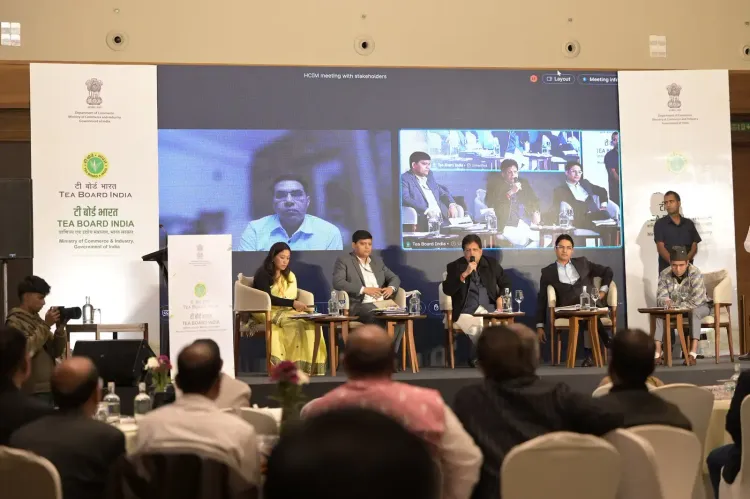
The interaction, organised by Tea Board India, covered the revitalisation of Darjeeling tea, auction reform, research, quality, exports and the welfare of plantation workers and their families, according to an official statement.
Tea exports and international markets
The government’s export figures put the value of India’s tea shipments at $988.13 million for the financial year 2025–26. The figures cover tea exports overall, while the government’s production ranking specifically relates to black tea.
At the meeting, participants discussed promotional measures and the use of opportunities under the government’s Export Promotion Mission. Stakeholders offered suggestions on expanding India’s presence abroad, improving market access and strengthening the competitiveness and global positioning of Indian tea.
The official statement also highlighted the need for coordinated work involving the government, Tea Board India and industry stakeholders in both established and emerging markets. It did not give a timetable for new export measures.
Darjeeling tea and auction reform
Revitalising the Darjeeling tea industry was among the subjects raised at the Kurseong interaction. Discussions also covered ways to strengthen tea research and improve quality across the sector.
A separate brainstorming session focused on making the existing tea auction system faster, more efficient and responsive to the industry’s changing requirements. Participants highlighted technology-driven reforms, greater transparency and reduced transaction-related difficulties, according to the statement.
Auctions and export promotion were discussed alongside one another, covering both how tea is traded and how producers reach overseas markets. The statement described the areas of discussion but did not specify an agreed auction reform or an implementation date.
Business processes and worker welfare
The official statement identified ease of doing business as a priority, with an emphasis on simpler processes and a more enabling environment for stakeholders across the tea value chain. It also noted the importance of improving operational efficiency.
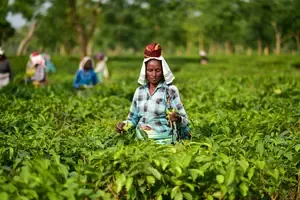
The welfare of tea plantation workers and their families was another area of discussion. Stakeholders used the interaction to present concerns and suggestions, although the statement did not provide details of any new worker-welfare measure.
What follows the stakeholder meeting
The meeting brought together proposals on production, trading, exports and workers, but the source statement did not announce a decision on individual proposals or set a schedule for implementing them. It also did not specify targets for future export volumes or earnings.
Attention will now turn to whether the government, Tea Board India and industry participants translate the discussions into specific measures for the sector.
Point of View
But they do not by themselves show how much value reaches growers and plantation workers. The Kurseong discussions put trading efficiency, quality and welfare on the same agenda; the test will be whether those priorities produce measurable action. Any future reforms should be assessed against clear outcomes for market access, transparency and workers’ families.
NationPress
23 Nov 2026
Frequently Asked Questions
What is India’s rank in global black tea production?
India is the world’s largest producer of black tea, according to the government. It also ranks third among tea-exporting countries.
How much tea did India export in 2025–26?
India exported 282.11 million kg of tea valued at $988.13 million in the financial year 2025–26, according to the government.
What was discussed at Piyush Goyal’s Kurseong tea meeting?
The meeting covered Darjeeling tea, auction reform, research, quality, export promotion and worker welfare. Tea Board India organised the interaction with industry stakeholders in Kurseong, West Bengal.
What changes to tea auctions were proposed?
Participants discussed making the existing auction system faster, more transparent and responsive to industry needs. The official statement did not specify an agreed reform or implementation date.
What happens next for India’s tea industry?
The official statement did not set a timetable for implementing measures discussed at the meeting. Stakeholders shared suggestions on exports, business processes and worker welfare.