Goyal Spotlights Darjeeling Tea's GI Heritage, Vows Grower Support

Synopsis
Union Commerce Minister Piyush Goyal highlighted Darjeeling Tea as India's first Geographical Indication-tagged product, celebrating its muscatel character and pledging support for tea growers and garden workers in West Bengal on 22 October 2026.
Key Takeaways
Piyush Goyal publicly championed Darjeeling Tea on 22 October 2026 , calling it 'one of India's iconic GI-tagged treasures.' Darjeeling Tea was granted India's first Geographical Indication tag in 2004 , providing legal protection against imitation globally.
The tea is prized for its unique muscatel flavour , shaped by altitude, soil, and the region's distinct growing conditions.
The Commerce Ministry oversees the Tea Board of India, making it the nodal authority on export promotion and worker-welfare schemes for GI teas.
India has extended GI protection to a growing list of agricultural products — including Assam tea, Nilgiri tea, and Basmati rice — as a trade and heritage strategy.
Watch for follow-up announcements from the Commerce Ministry or Tea Board on new support measures for GI-tagged teas or estate worker welfare.
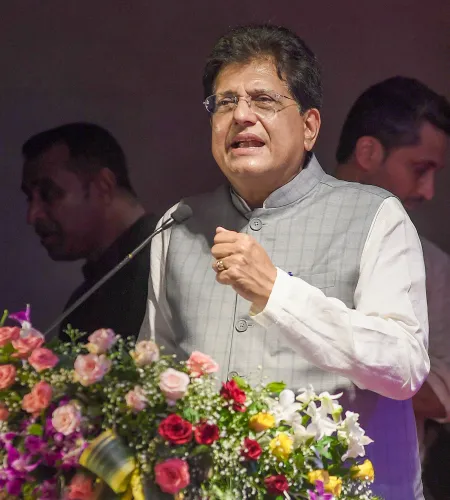
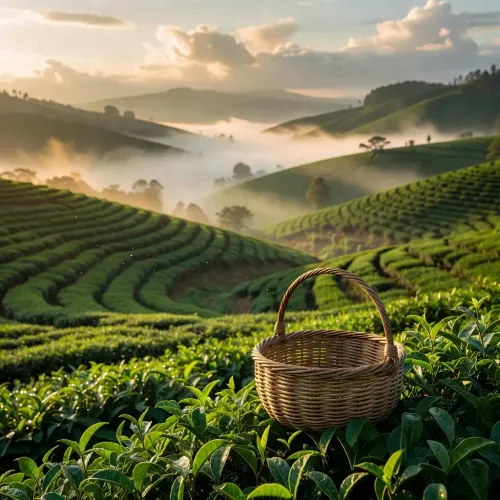
From the mist-wrapped ridges of northern West Bengal, a leaf-and-labour story that India has protected by law since 2004 is back at the centre of national attention. Union Commerce and Industry Minister Piyush Goyal took to X on Thursday, 22 October 2026, to champion Darjeeling Tea — India's first-ever Geographical Indication (GI)-tagged product — calling it 'one of India's iconic GI-tagged treasures' and pledging commitment to empowering the growers and workers behind every cup.
India's First GI Tag — and What It Actually Means
Darjeeling Tea earned India's first Geographical Indication tag in 2004, a legal milestone that locked in both origin and character: only tea grown in the defined hill gardens of Darjeeling district can carry the name. The tag protects against imitation and counterfeiting globally, and is the commercial backbone of a brand that commands a premium in European, Japanese, and American markets. Goyal's post underlines the prized 'muscatel flavour' — a grape-like, musky sweetness unique to the region's altitude, soil, and the action of a leafhopper insect that triggers a chemical reaction in the leaf. No factory can replicate it. That specificity is exactly what GI protection is designed to guard.
The Hill Workers Behind the Cup
Goyal explicitly saluted 'the dedication of our hardworking tea garden workers' — a pointed acknowledgment of a labour force that remains one of the most economically vulnerable in Indian agriculture. The tea estates of Darjeeling employ tens of thousands of pluckers, the majority of them women from Gorkha and Nepali-origin communities, whose livelihoods track directly with the global price and reputation of the leaf. The Commerce Ministry, which oversees the Tea Board of India, is the nodal authority on both export promotion and worker-welfare schemes tied to GI-tagged varieties. Any follow-up policy announcement from the Ministry or the Tea Board would carry direct consequence for this workforce.
GI Branding as Export Strategy
Darjeeling Tea sits at the sharp end of India's broader push to monetise its geographical heritage. The GI framework has been used successively to protect products from Assam tea and Nilgiri tea to Basmati rice and Kanchipuram silk — linking authentic provenance to export premiums and producer incomes. For the Commerce Ministry, championing these tags is not merely cultural pride; it is a live trade instrument. A well-policed, well-promoted GI signals to international buyers that India can enforce quality standards, which matters in an era of tightening food-import regulations in the EU and UK. Goyal's post, brief as it is, keeps that narrative in circulation at the ministerial level.
Point of View
And any such announcement would carry real weight for growers and estate labour alike.
NationPress
22 Oct 2026
Frequently Asked Questions
What is the GI tag for Darjeeling Tea?
Darjeeling Tea holds India's first Geographical Indication tag, awarded in 2004 . The tag legally restricts use of the 'Darjeeling' name to tea grown in the defined hill gardens of Darjeeling district, West Bengal , protecting it from imitation worldwide.
What is muscatel flavour in Darjeeling Tea?
Muscatel is a grape-like, musky sweetness unique to Darjeeling's second-flush tea. It is triggered by the feeding action of a leafhopper insect on the tea leaf, combined with the district's altitude, soil, and climate — characteristics no other region can fully replicate.
What does the Commerce Ministry do for tea growers in India?
The Union Commerce and Industry Ministry oversees the Tea Board of India , which administers export promotion, quality certification, GI enforcement, and worker-welfare schemes for tea estates across Darjeeling, Assam, and Nilgiri growing regions.
Why is Piyush Goyal talking about Darjeeling Tea?
As Union Commerce and Industry Minister , Goyal's portfolio directly covers GI-tagged products and the Tea Board. His post on 22 October 2026 highlighted Darjeeling Tea's heritage and pledged support for tea growers and garden workers, consistent with the ministry's broader GI and export-promotion agenda.
How many GI-tagged products does India have?
India has registered hundreds of Geographical Indication tags since the GI Act came into force. Darjeeling Tea was the first, in 2004 , and the list has since grown to include products like Assam tea, Nilgiri tea, Basmati rice, Kanchipuram silk , and many more regional specialities.