West Bengal tea, fisheries, handicrafts to gain from 9 Modi-era FTAs: Goyal
Synopsis
Commerce Minister Piyush Goyal says West Bengal's tea growers, fisherfolk, and handicraft artisans are among the biggest potential winners from India's nine FTAs — a claim that lands as the BJP-led state government simultaneously courts 42 industrialists and tasks NITI Aayog with a long-term economic revival blueprint for the state.
Key Takeaways
Commerce Minister Piyush Goyal stated on 2 August that West Bengal will benefit significantly from India's 9 Free Trade Agreements concluded under PM Modi .
Key beneficiaries identified: tea growers , fisherfolk , handicraft artisans , and the state's youth and women .
The FTAs are expected to drive higher production, expand exports, and generate sustainable livelihoods, advancing the Viksit Bharat vision.
At least 42 industrialists have reportedly approached State Minister Tapas Roy seeking to invest in West Bengal.
NITI Aayog , under Vice-Chairman Ashok Kumar Lahiri , is preparing a long-term blueprint to revive West Bengal's industry and economy.
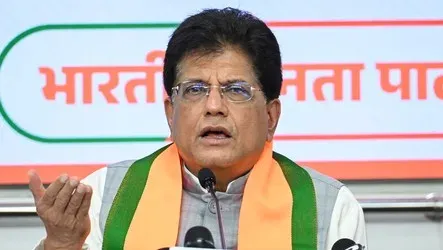
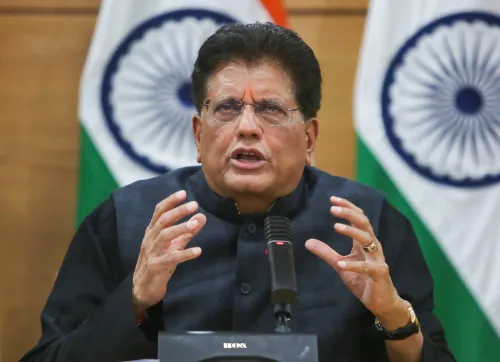
Union Commerce and Industry Minister Piyush Goyal on Sunday, 2 August said that West Bengal stands to gain substantially from the nine Free Trade Agreements (FTAs) concluded under Prime Minister Narendra Modi, with expanded international market access expected to lift the state's exports and create sustainable livelihoods across key sectors.
Key Sectors Set to Benefit
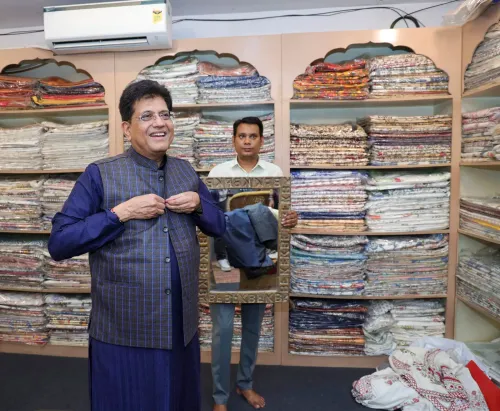
Goyal specifically highlighted tea growers, fisherfolk, and artisans engaged in traditional handicrafts as the primary beneficiaries of the enhanced trade access. The minister also noted that the state's youth and women would find new economic opportunities as a result of the agreements.
In a post on social media platform X, Goyal wrote: 'West Bengal stands to gain significantly from the 9 landmark Free Trade Agreements concluded under PM Narendra Modi. Enhanced market access will benefit tea growers, fisherfolk, artisans engaged in traditional handicrafts, and the state's youth and women.'
What the FTAs Are Expected to Deliver
According to Goyal, improved access to global markets will drive higher production volumes, expand export revenues, and generate sustainable livelihood opportunities across multiple sectors in West Bengal. He framed the trade agreements as a direct contributor to the broader national goal of a Viksit Bharat, or developed India.
'This will drive higher production, boost exports, and generate sustainable livelihoods, furthering the vision of Viksit Bharat,' the minister said. This comes amid a broader push by the Centre to align state-level economic gains with India's free trade diplomacy, which has accelerated significantly since 2021.
Industrial Investment Push in West Bengal
Separately, at least 42 industrialists have reportedly contacted State Commerce and Industries Minister Tapas Roy earlier this year, expressing interest in investing in West Bengal, according to a state government insider. The minister is said to have assured them of the state government's cooperation, with investment announcements potentially expected during the current budget session of the State Assembly.
The Suvendu Adhikari-led state government has stated that industrial development remains a priority, with the Chief Minister indicating personal involvement in facilitating growth. Following the Bharatiya Janata Party (BJP)'s rise to power in West Bengal, the Centre directed NITI Aayog to prepare a long-term blueprint to revive the state's industrial sector and economy. That exercise is reportedly underway under NITI Aayog Vice-Chairman Ashok Kumar Lahiri.
Wider Context
West Bengal's economy has historically been anchored by agriculture, tea, and cottage industries — sectors that are highly sensitive to export market conditions. India's nine FTAs under the current government cover partners across Southeast Asia, the Gulf, and beyond, potentially opening new corridors for Bengali handicrafts and marine exports that have faced stiff competition in global markets. Whether the state's administrative machinery can translate these trade-level gains into ground-level livelihood improvements remains the key question going forward.
Point of View
Long governed by the Trinamool Congress and now under BJP, is a high-stakes arena where the Centre is visibly trying to demonstrate developmental dividends. The FTA benefits he cites are real in principle, but the state's tea and handicraft sectors have structurally struggled with logistics, branding, and middlemen — problems that market access alone does not fix. The parallel NITI Aayog exercise and the 42 industrialists in the pipeline suggest the Centre is building a layered narrative around West Bengal's revival, but execution timelines and ground-level absorption capacity will determine whether this translates into measurable gains or remains a well-timed political statement.
NationPress
16 Sept 2026
Frequently Asked Questions
Which West Bengal sectors will benefit from India's 9 FTAs?
Commerce Minister Piyush Goyal has specifically identified tea growers, fisherfolk, and artisans engaged in traditional handicrafts as the primary beneficiaries, along with the state's youth and women. The FTAs are expected to expand export opportunities and create sustainable livelihoods in these sectors.
What are the 9 Free Trade Agreements India has concluded under PM Modi?
India has concluded nine Free Trade Agreements under Prime Minister Narendra Modi's leadership, covering partners across Southeast Asia, the Gulf, and other regions. These agreements are designed to provide Indian exporters with enhanced market access and reduced tariff barriers in partner countries.
What is the Viksit Bharat vision mentioned by Goyal?
Viksit Bharat, meaning 'developed India', is the Modi government's overarching goal of transforming India into a fully developed nation. Goyal linked West Bengal's FTA-driven export growth directly to this national vision, framing state-level gains as part of a broader economic transformation agenda.
What is NITI Aayog's role in West Bengal's economic revival?
Following the BJP's rise to power in West Bengal, the Centre directed NITI Aayog to prepare a long-term blueprint to revive the state's industry and economy. The exercise is reportedly being led by NITI Aayog Vice-Chairman Ashok Kumar Lahiri and is currently underway.
Are investors showing interest in West Bengal?
According to a state government insider, at least 42 industrialists have contacted State Commerce and Industries Minister Tapas Roy expressing interest in investing in West Bengal. The minister has reportedly assured them of the state government's cooperation, with announcements potentially expected during the current budget session of the State Assembly.