How is Gujarat Advancing Modern Irrigation Techniques to Enhance Agricultural Output?
Click to start listening
Synopsis
Gujarat is on the forefront of modern agriculture, with a remarkable 1.20 lakh hectares brought under micro-irrigation in just one year. This initiative not only boosts productivity but also conserves precious water resources. Discover how this ambitious project, rooted in a vision from 2005, is transforming the state's agricultural landscape.
Key Takeaways
- Gujarat has introduced 1.20 lakh hectares to micro-irrigation in 2024-25.
- Modern irrigation systems include drip, sprinkler, and rain-gun.
- Over 16.28 lakh farmers have adopted micro-irrigation in the last two decades.
- Financial support for the initiative amounts to Rs 9,224.27 crore.
- Banaskantha, Junagadh, and Rajkot are leading in micro-irrigation coverage.
Ahmedabad, Dec 4 (NationPress) Gujarat's relentless commitment to effective water management has yielded impressive outcomes, with 1.20 lakh hectares introduced to micro-irrigation in just the 2024-25 period.
The state is actively promoting modern irrigation systems—such as drip, sprinkler, rain-gun, and porous pipes—to enhance productivity while conserving water, according to official reports.
This initiative originates from a policy vision set forth in 2005 by the then Chief Minister and present Prime Minister Narendra Modi, who launched the Micro-Irrigation Scheme via the Gujarat Green Revolution Company (GGRC). The objective: empower farmers to achieve greater yields with minimal water in an increasingly globalized and diversified agricultural landscape.
In the last twenty years, over 16.28 lakh farmers have adopted micro-irrigation across 25.05 lakh hectares, aided by incentives totaling Rs 9,224.27 crore—with Rs 5,740.71 crore from the state government and Rs 3,483.56 crore from the central government.
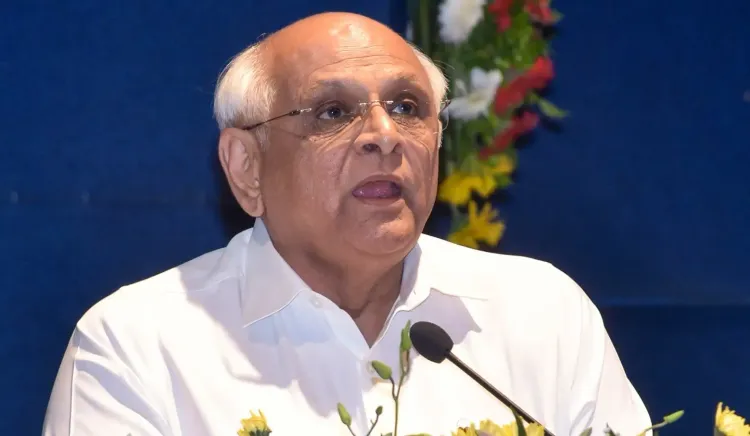
Under the leadership of Chief Minister Bhupendra Patel, Gujarat has accelerated its transition to cutting-edge irrigation methods. In the 2023-24 period, approximately 1.30 lakh hectares were added under micro-irrigation, and in 2024-25, another 1.20 lakh hectares, supported by subsidies amounting to Rs 605.42 crore (Rs 329.42 crore from the state and Rs 276 crore from the Centre).
Among various districts, Banaskantha leads with 4.88 lakh hectares utilizing micro-irrigation, followed by Junagadh (1.85 lakh ha) and Rajkot (1.35 lakh ha).
A notable portion of Gujarat's micro-irrigation uptake is attributed to middle-income farmers, with 8.92 lakh medium farmers covering 16.42 lakh hectares, while 4.98 lakh small farmers have implemented this system over 5.90 lakh hectares.
Furthermore, 1.83 lakh marginal farmers have adopted micro-irrigation across 1.23 lakh hectares, and 55,000 large farmers have introduced the system to 1.49 lakh hectares.
Out of the 25.05 lakh hectares covered statewide, 20.52 lakh hectares are devoted to field crops, and 4.52 lakh hectares are allocated for horticultural crops.
Within field crops, groundnut takes the largest share with 11.02 lakh hectares, followed by cotton at 7.56 lakh hectares and sugarcane at 0.16 lakh hectares.
In horticulture, micro-irrigation has been utilized on 2.20 lakh hectares of potatoes, 0.34 lakh hectares of bananas, 0.18 lakh hectares of mangoes, and 0.92 lakh hectares of various vegetables, showcasing the system's increasing significance across multiple crop categories.
Point of View
Gujarat's advancements in micro-irrigation exemplify a proactive approach to modern agriculture. This initiative not only aims to enhance productivity but also showcases a commitment to sustainable practices in water management, crucial for addressing global agricultural challenges. It is a significant step in bolstering the livelihoods of farmers in the region.
NationPress
04/12/2025
Frequently Asked Questions
What is micro-irrigation?
Micro-irrigation is an efficient watering technique that delivers water directly to the plant's root zone, minimizing wastage and enhancing crop yields.
Why is Gujarat focusing on modern irrigation?
Gujarat aims to improve agricultural productivity and water conservation, ensuring sustainable farming practices that can support the growing population.
How much financial support has been provided for this initiative?
The initiative has received Rs 9,224.27 crore in incentives, with contributions from both the state and central governments.
Which districts in Gujarat lead in micro-irrigation?
Banaskantha, Junagadh, and Rajkot are the leading districts in terms of hectares covered by micro-irrigation.
What crops are primarily benefiting from micro-irrigation?
Field crops like groundnut, cotton, and sugarcane, as well as horticultural crops such as potatoes, bananas, and mangoes are major beneficiaries.