Is FM Sitharaman Introducing the Health & Security Cess Bill 2025 in Lok Sabha?
Synopsis
In a significant move, Finance Minister Nirmala Sitharaman introduced the Health Security and National Security Cess Bill, 2025, targeting goods like pan masala. This bill aims to allocate revenue to health schemes while ensuring that essential commodities remain unaffected. Stay informed about its implications on health and taxation policies.
Key Takeaways
Nirmala Sitharaman proposes a new cess bill.
The bill targets pan masala and similar products.
Revenue will support health initiatives.
Essential goods remain exempt from this cess.
Tax rates can be as high as 40 percent .
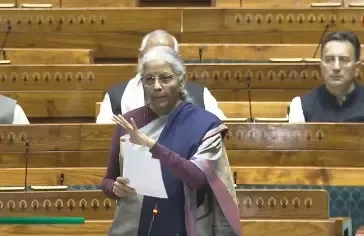
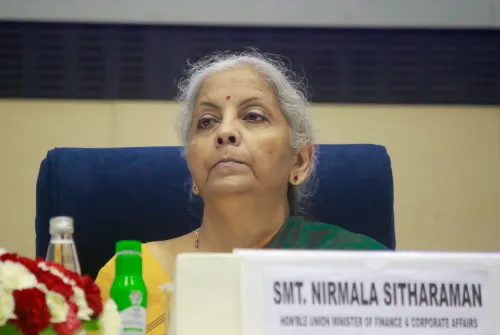
New Delhi, Dec 4 (NationPress) Finance Minister Nirmala Sitharaman on Thursday unveiled the Health Security and National Security Cess Bill, 2025, aimed at imposing a tax on certain goods, including pan masala.
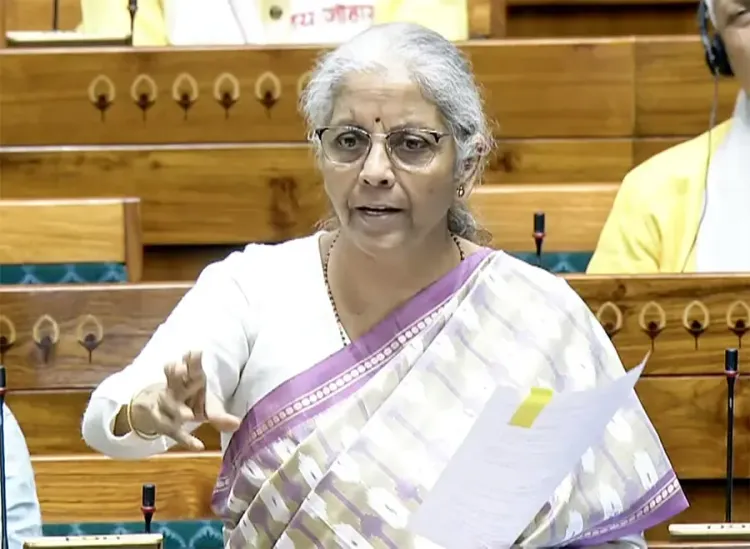
While addressing the Lok Sabha, Sitharaman emphasized that this Bill will exempt essential goods from taxation, with the proceeds allocated to states for health-related initiatives.
"This is a cess, and it is not applied to any essential commodity. The goal of this Bill is to implement a cess on demerit goods linked to considerable health risks. We intend to create a deterrent, discouraging their use," the minister stated.
Pan masala will face a maximum taxation rate of 40 percent under the Goods and Services Tax (GST) based on its consumption. Sitharaman clarified that this cess will not affect GST revenues.
The proposed Bill, which will be in addition to the GST, will tax the manufacturing capacity of pan masala production facilities.
"The cess liability will vary for each factory, depending on its output capacity," the Finance Minister explained.
She pointed out that a portion of the revenue generated from this cess will be distributed to states for health awareness programs or other health-related activities.
As excise duty cannot be imposed on pan masala, the government is introducing a separate cess bill to ensure that pan masala production is taxed alongside GST, which is imposed on consumption.
On Wednesday, the Lok Sabha also approved a Bill to amend the Central Excise Act of 1944 to levy excise duty on tobacco, in addition to the 40 percent GST.
Currently, products like pan masala and tobacco are subject to a 28 percent GST with an additional compensation cess at varying rates. Following the cessation of the compensation cess, the GST rate will increase to 40 percent.
Point of View
I believe that the introduction of the Health Security and National Security Cess Bill, 2025, reflects the government's commitment to addressing public health concerns. While the taxation on demerit goods like pan masala is a step towards promoting better health choices, it is crucial to ensure that essential commodities remain unaffected.
NationPress
19 Sept 2026
Frequently Asked Questions
What is the purpose of the Health Security Cess Bill?
The Health Security Cess Bill aims to levy a tax on demerit goods, particularly those associated with significant health risks, to generate revenue for health initiatives.
Will essential commodities be affected by this cess?
No, the cess will not be imposed on essential commodities, ensuring that basic needs remain affordable.
How will the revenue from this cess be utilized?
A portion of the revenue will be shared with states to fund health awareness programs and other health-related activities.
What is the maximum tax rate for pan masala under this bill?
Pan masala will be taxed at a maximum rate of 40 percent under the Goods and Services Tax.
How does this cess differ from GST?
The cess is an additional tax imposed on production capacity, while GST is applied based on consumption.