Homeplus shuts all outlets from Monday as court ends rehabilitation
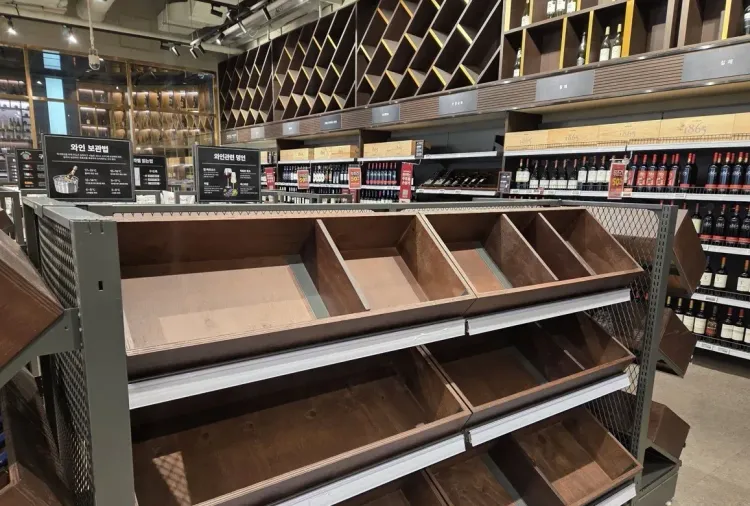
Synopsis
Homeplus, South Korea's MBK Partners-owned discount chain, has shut every outlet from Monday after the Seoul Bankruptcy Court ended its rehabilitation and operating funds ran dry. With 33.3 billion won in June wages unpaid and a 200-billion-won creditor loan still unconfirmed, this is one of South Korea's largest retail collapses in recent memory.
Key Takeaways
Homeplus closed all discount stores and its headquarters from Monday, 13 July , citing complete exhaustion of operating funds.
The Seoul Bankruptcy Court terminated rehabilitation proceedings on 3 July after the chain failed to secure 200 billion won needed for its self-rescue plan.
A 200 billion-won working capital loan request to largest creditor Meritz Financial Group remains unaccepted.
The task force identified 33.3 billion won in unpaid wages for June ; the government has pledged substitute payments of up to 21 million won per worker.
MBK Partners acquired Homeplus from Tesco Plc in 2015 for 7.2 trillion won ; the chain entered court-led rehabilitation in March 2025 .
South Korean discount store chain Homeplus announced on Monday, 13 July that it is temporarily closing all its outlets with immediate effect, citing a complete exhaustion of operating funds and an inability to pay suppliers or meet day-to-day store expenses. The shutdown follows the Seoul Bankruptcy Court's decision on 3 July to terminate the company's rehabilitation proceedings after it failed to secure the minimum 200 billion won (approximately US$130 million) required to execute its self-rescue plan.
Why the Stores Are Closing
'Most of our operating funds have been completely exhausted, leaving us unable to make payments to suppliers or cover operating expenses needed to keep our stores open,' a company official said. The official confirmed that both Homeplus' headquarters and all discount store locations will suspend operations until circumstances change, with security and safety cited as the primary reasons for the immediate halt.
The retailer had approached its largest creditor, Meritz Financial Group, for a 200 billion-won working capital loan to stay afloat, but that request has not been accepted. Without that lifeline, the chain had no viable path to continue operations.
The Road to Collapse
Homeplus, wholly owned by private equity firm MBK Partners, entered court-led rehabilitation proceedings in March 2025 after a prolonged slump in South Korea's discount retail sector eroded its financial position. MBK Partners had acquired a 100 percent stake in Homeplus from British retailer Tesco Plc in 2015 for 7.2 trillion won — a deal that saddled the chain with significant debt at a time when the discount store model was already under structural pressure from e-commerce and changing consumer habits.
Notably, the court's termination of rehabilitation proceedings on 3 July effectively removed the last legal framework protecting the company from creditors, leaving a full shutdown as the only immediate outcome.
Government Response and Worker Support
The South Korean government has moved quickly to cushion the blow for affected workers and subcontractors. First Vice Finance Minister Lee Hyoung-il chaired a task force meeting to review the rollout of support measures, including substitute payments of up to 21 million won (approximately US$13,980) for unpaid wages.
The labour ministry reported receiving 692 inquiries from workers seeking information on available support programmes. The task force identified 33.3 billion won in unpaid wages for June alone and pledged to monitor any further delays. Additionally, the government is offering low-interest loans of up to 10 million won at a rate of 1.5 percent, capped at the amount of each worker's unpaid salary.
What Comes Next
With rehabilitation terminated and operating capital exhausted, the immediate priority is the resolution of outstanding liabilities to suppliers and workers. Whether a buyer or investor steps in to revive the brand remains uncertain. The Homeplus collapse underscores the deepening structural crisis in South Korea's brick-and-mortar discount retail sector, where several chains have struggled to compete against online platforms. Creditor negotiations and potential asset sales are expected to define the next phase of proceedings.
Point of View
But 33.3 billion won in unpaid June wages alone signals how abruptly operations unravelled. The deeper question is whether South Korea's rehabilitation framework, which gave Homeplus from March 2025 to July 2025 to find 200 billion won, set a bar that was either too high or arrived too late to be meaningful.
NationPress
12 Oct 2026
Frequently Asked Questions
Why has Homeplus closed all its stores?
Homeplus closed all outlets from Monday, 13 July, after its operating funds were completely exhausted, leaving it unable to pay suppliers or cover store running costs. The closure followed the Seoul Bankruptcy Court's termination of its rehabilitation proceedings on 3 July.
What did the Seoul Bankruptcy Court decide about Homeplus?
The Seoul Bankruptcy Court terminated Homeplus' court-led rehabilitation proceedings on 3 July 2025, ruling that the company had failed to secure the minimum 200 billion won required to implement its self-rescue plan. This removed the last legal protection shielding the chain from creditors.
Who owns Homeplus and how did it end up in this situation?
Homeplus is wholly owned by private equity firm MBK Partners, which acquired a 100 percent stake from British retailer Tesco Plc in 2015 for 7.2 trillion won. A prolonged slump in the discount store industry and heavy debt obligations pushed the chain into court-led rehabilitation in March 2025.
What support is the South Korean government providing to Homeplus workers?
The government is offering substitute payments of up to 21 million won per worker for unpaid wages, as well as low-interest loans of up to 10 million won at 1.5 percent. A task force chaired by First Vice Finance Minister Lee Hyoung-il identified 33.3 billion won in unpaid June wages and pledged close monitoring of further delays.
Is there any chance Homeplus could reopen?
The company said operations are suspended 'until circumstances change,' leaving open the possibility of a revival if a creditor or investor steps in. However, with rehabilitation terminated and no confirmed loan from Meritz Financial Group, the immediate outlook points toward asset resolution rather than a quick reopening.