IBM ends H-1B, green card sponsorship for most consulting roles
Synopsis
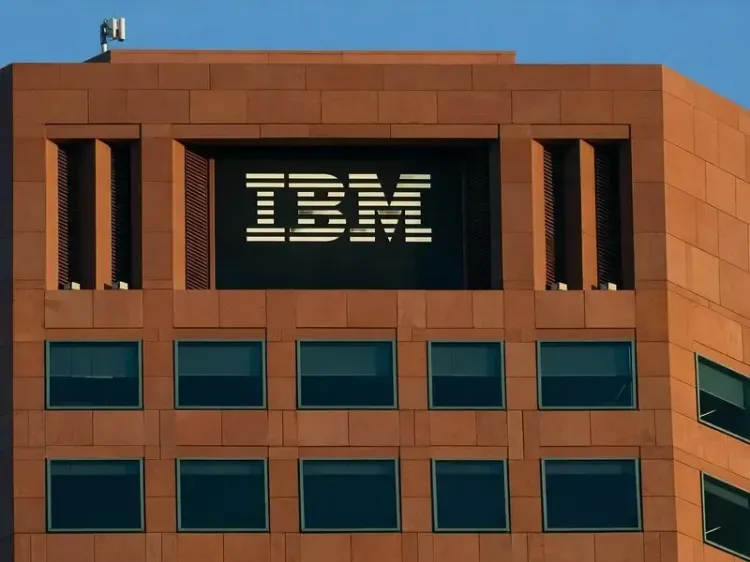
IBM is pulling the plug on H-1B and green card sponsorship for most of its consulting roles, its largest division with over 150,000 staff. Affected employees, many of them Indian, reportedly have three weeks to choose between relocating abroad or exiting by 31 December 2026 with three months' severance.
Key Takeaways
IBM has discontinued H-1B visa and green card sponsorship for most roles in IBM Consulting .
IBM Consulting is the company's largest division, with more than 150,000 employees globally.
Affected staff reportedly have three weeks to decide on relocation outside the US.
Those who do not relocate will reportedly get three months' severance , with 31 December 2026 as their last working day.
IBM has not disclosed how many employees are affected.
The company cited evolving skill availability and client needs, saying its visa programme participation had been declining for years.
IBM has discontinued H-1B work visa and green card sponsorship for most positions in its consulting division, according to reports. Affected employees have been asked to relocate outside the United States or leave the company by 31 December 2026. The decision could create uncertainty for thousands of Indian professionals in the US technology sector, many of whom rely on employer sponsorship to keep their work status and pursue permanent residency.
Key Developments
The policy applies to IBM Consulting, the company's largest business division, which employs more than 1.5 lakh (150,000) people worldwide. IBM has not said how many employees will be affected or how many of them are currently based in the US.
According to media reports, affected staff have been given three weeks to decide whether to accept relocation opportunities outside the US. Those who choose not to move will reportedly receive three months' severance, with 31 December 2026 set as their last working day.
What IBM Said
IBM attributed the decision to changing business requirements and shifts in the availability of skilled workers. The company indicated that its reliance on US high-skilled visa programmes has been falling for years.
An IBM spokesperson said the company had previously used these programmes to address talent shortages but had gradually reduced its participation. “That participation has been declining for a number of years, and as skill availability and client need have evolved, we have opted to discontinue visa and green card sponsorship for the majority of such roles in IBM Consulting,” the spokesperson said.
Impact on Indian Professionals
The move is likely to affect H-1B visa holders and foreign professionals awaiting green cards. Both groups depend on employer sponsorship to remain legally employed in the US and to move towards long-term residency.
Indian workers have long formed a large part of the foreign workforce in US technology and IT services. Many of them spend years in the employment-based green card queue, which is tied to a sponsoring employer.
For these employees, losing sponsorship midway can create serious difficulties. Their choices narrow to:
- relocating to an IBM location outside the US,
- finding another US employer willing to take over sponsorship, or
- leaving the company with the severance package.
The three-week decision window adds to the pressure, particularly for families with children in school or pending immigration filings.
Broader Context
This comes as foreign technology professionals, especially from India, remain heavily dependent on employer-sponsored immigration routes to work and settle in the US. Notably, IBM framed the change as the end of a gradual shift rather than a sudden reversal.
A decision of this scale by one of the best-known names in global IT services may still prompt questions about whether other consulting and technology firms will review their own sponsorship commitments.
What Happens Next
Affected employees must make their relocation decision within the three-week window, and exits are set for the end of 2026. Attention will now turn to whether IBM discloses how many workers are affected, and whether other large US employers of foreign tech talent follow its lead.
Point of View
But for the individual employee on an H-1B or in the green card queue, the cliff is very real. The decision gives them three weeks to choose and a year-end exit. The company's refusal to disclose how many people are affected is the glaring gap: without that number, neither workers nor policymakers can judge the scale of the disruption. If a bellwether like IBM is retreating from sponsorship, Indian IT talent must reckon with a US pathway that is becoming less dependable, and New Delhi should treat that as a signal, not a one-off.
NationPress
26 Nov 2026
Frequently Asked Questions
What has IBM announced about H-1B and green card sponsorship?
IBM has discontinued work visa and green card sponsorship for the majority of roles in IBM Consulting, its largest business division. Affected employees have been asked to relocate outside the US or leave the company by 31 December 2026.
How much time do affected IBM employees have to decide?
According to media reports, affected employees have three weeks to decide whether to accept relocation outside the US. Those who decline will reportedly receive three months' severance.
Why did IBM stop visa sponsorship for consulting roles?
IBM cited evolving business requirements, changing skill availability and client needs. A spokesperson said the company's participation in US high-skilled visa programmes had been declining for a number of years.
How many employees are affected by IBM's decision?
IBM has not disclosed the number of affected employees or how many are based in the US. IBM Consulting employs more than 150,000 people globally.
Who is most affected by IBM ending H-1B sponsorship?
H-1B visa holders and foreign professionals awaiting green cards in IBM Consulting are most affected, including many Indian tech workers. These workers depend on employer sponsorship to maintain US work status and pursue permanent residency.