ICMR licenses 3 biomedical technologies for cancer, typhoid and Shigella solutions
Synopsis
ICMR has licensed three home-grown biomedical technologies — including a first-in-class anti-HPV therapeutic and two next-generation enteric vaccines — to Emcure Pharmaceuticals and Biological E Ltd. If commercialised, these could reshape affordable cancer and infectious disease care in India, turning publicly funded lab research into market-ready solutions.
Key Takeaways
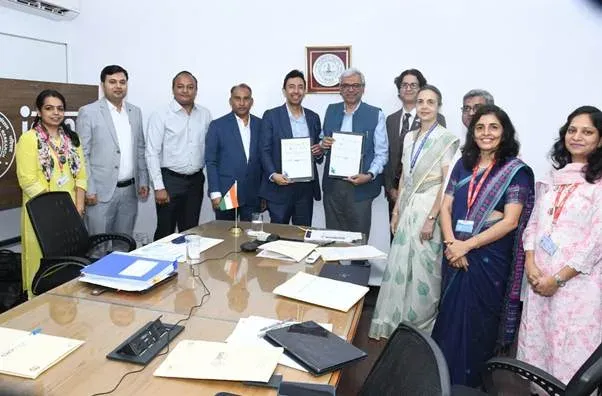
ICMR transferred three indigenous biomedical technologies to domestic manufacturers on 21 July .
SHetA2 , a first-in-class anti-HPV therapeutic targeting Cervical Intraepithelial Neoplasia (CIN) , was licensed to Emcure Pharmaceuticals Ltd .
Two next-generation enteric vaccine technologies — against Salmonella typhi/paratyphi and Shigella — were licensed to Biological E Ltd .
The vaccines were developed at ICMR-NIRBI, Kolkata ; SHetA2 emerged from an Indo-US collaboration with the Stephenson Cancer Center, University of Oklahoma .
The transfers are part of ICMR's integrated innovation ecosystem spanning discovery, IP protection, clinical validation, and commercialisation.
The Indian Council of Medical Research (ICMR) has transferred three indigenously developed biomedical technologies to leading domestic pharmaceutical and vaccine manufacturers for development, manufacturing, and commercialisation, according to an official statement issued on Tuesday, 21 July. The move is aimed at accelerating the translation of publicly funded research into affordable healthcare solutions and reinforcing India's biomedical innovation ecosystem.
Key Technologies Licensed
The three technologies span two critical areas: cervical cancer treatment and enteric infectious disease prevention. The first, SHetA2, is a novel anti-HPV therapeutic candidate for the treatment of Cervical Intraepithelial Neoplasia (CIN), and has been licensed to Emcure Pharmaceuticals Ltd. The remaining two are next-generation vaccine technologies targeting enteric bacterial infections, developed at ICMR–National Institute of Research in Bacterial Infections (ICMR-NIRBI), Kolkata, and licensed to Biological E Ltd.
What SHetA2 Offers
SHetA2 was developed through a collaboration between Dr. Showket Hussain of ICMR National Institute of Cancer Prevention and Research (ICMR-NICPR) and Dr. Doris M. Benbrook of the Stephenson Cancer Center, University of Oklahoma, USA. It is described as a first-in-class targeted therapeutic candidate that selectively eliminates HPV-induced precancerous and cervical cancer cells while leaving healthy cells unharmed. According to the official statement, the technology has the potential to provide a safe, affordable, and minimally invasive treatment option for cervical cancer.
Next-Generation Enteric Vaccines
The two vaccine technologies licensed to Biological E Ltd include a fusion construct incorporating Salmonella typhi outer membrane protein, positioned as a promising next-generation typhoid vaccine candidate. The second is a recombinant vaccine composition designed to provide broader protection against both Salmonella typhi or paratyphi and Shigella infections — two major enteric bacterial pathogens that continue to pose significant public health challenges in India and across South Asia.
ICMR's Innovation Ecosystem
The Ministry of Health and Family Welfare statement noted that ICMR has established an integrated innovation ecosystem supporting healthcare technologies across the full innovation continuum — from discovery and intellectual property protection through clinical validation, regulatory facilitation, and commercialisation. This is not the first such transfer; ICMR has been progressively stepping up technology licensing as part of a broader push to reduce India's dependence on imported therapeutics and vaccines. Notably, these transfers come at a time when cervical cancer remains one of the leading causes of cancer-related deaths among Indian women, and typhoid continues to burden the country's healthcare system.
What Happens Next
Emcure Pharmaceuticals and Biological E Ltd are now responsible for advancing these technologies through further development, clinical trials where required, and eventual market introduction. If successfully commercialised, the technologies could meaningfully expand access to affordable cancer and infectious disease interventions for millions of Indians.
Point of View
But only if Emcure prices it within reach of the public health system. The enteric vaccine deals face a different test: India's typhoid vaccine landscape is already crowded, and Biological E will need to demonstrate clinical superiority or cost advantage to carve out meaningful uptake. The real accountability question is whether ICMR builds in affordability covenants into these licences — something the statement does not address.
NationPress
21 Jul 2026
Frequently Asked Questions
What technologies has ICMR licensed and to whom?
ICMR has licensed three biomedical technologies: SHetA2, an anti-HPV therapeutic for Cervical Intraepithelial Neoplasia, to Emcure Pharmaceuticals Ltd; and two next-generation enteric vaccine technologies against Salmonella typhi/paratyphi and Shigella infections to Biological E Ltd. The transfers were announced on 21 July 2025.
What is SHetA2 and why is it significant?
SHetA2 is a first-in-class targeted therapeutic candidate that selectively destroys HPV-induced precancerous and cervical cancer cells while sparing healthy tissue. It was co-developed by ICMR-NICPR and the Stephenson Cancer Center at the University of Oklahoma, and could offer a safe, affordable, minimally invasive option for treating cervical cancer in India.
What do the new enteric vaccines target?
The two vaccine technologies target major enteric bacterial pathogens: one is a fusion construct using Salmonella typhi outer membrane protein as a next-generation typhoid vaccine candidate, and the other is a recombinant composition providing combined protection against Salmonella typhi, paratyphi, and Shigella infections.
Why are these technology transfers important for India?
Cervical cancer is among the leading causes of cancer deaths in Indian women, and typhoid remains a significant public health burden. Licensing these indigenously developed technologies to domestic manufacturers supports affordable, homegrown healthcare solutions and reduces dependence on imported therapeutics and vaccines.
What is ICMR's role after the technology transfer?
ICMR's role in direct development concludes with the licensing. The recipient companies — Emcure Pharmaceuticals and Biological E Ltd — are now responsible for further development, clinical validation where needed, regulatory approvals, and eventual commercialisation of the technologies.