ICMR transfers 41 biomedical technologies at India's largest health innovation event
Synopsis
India's largest-ever biomedical technology transfer event saw ICMR hand over 41 public-health technologies — including vaccines for Typhoid and diagnostics for Mpox and TB — to industry partners in New Delhi, while launching the country's first structured platform for biomedical innovation transfer. It is a concrete step toward India becoming a net exporter of health technologies, not just a manufacturer of generics.
Key Takeaways
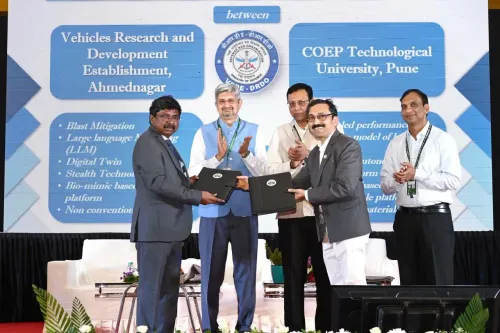
ICMR transferred 41 public-health technologies to industry partners on 25 May 2025 at India's largest biomedical innovation and technology transfer event in New Delhi .
The event established the ICMR Medical Innovation Patent Mitra initiative — India's first structured platform for biomedical innovation showcasing and technology transfer.
Transferred technologies include glycoconjugate and recombinant vaccines for Typhoid and Paratyphoid, and diagnostics for Japanese Encephalitis , Tuberculosis , and Mpox .
Over 100 technologies in diagnostics, therapeutics, and medical devices were showcased at the event by ICMR institutes, researchers, and startups.
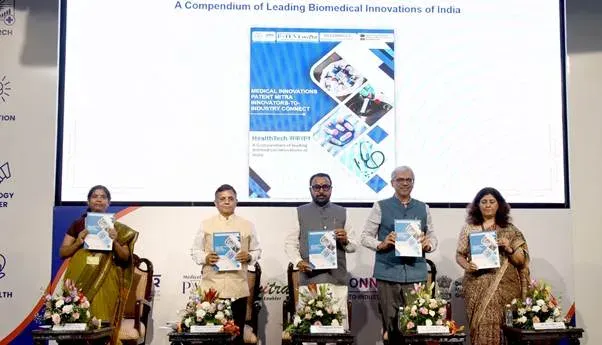
The 'Indian Biomedical Patent Landscape Report' and the 'Technology Compendium' were released to strengthen India's IP and innovation ecosystem.
NITI Aayog member Dr Gobardhan Das said India has the ecosystem to emerge as a global leader in health technologies.
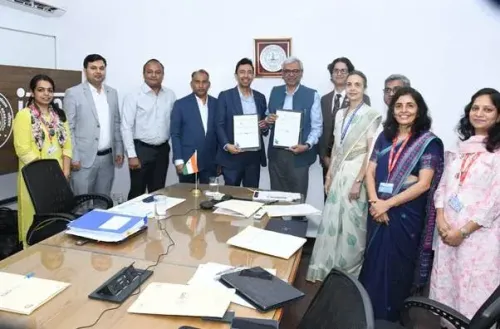
The Indian Council of Medical Research (ICMR) on Monday, 25 May hosted India's largest biomedical innovation and technology transfer event in New Delhi, during which 41 public-health technologies were formally transferred to industry partners, according to an official statement from the Ministry of Health and Family Welfare. The event marked the launch of the country's first structured platform dedicated to biomedical innovation showcasing and technology transfer.
The ICMR Medical Innovation Patent Mitra Initiative
The event established the ICMR Medical Innovation Patent Mitra initiative, designed to translate indigenous biomedical research into accessible, real-world healthcare solutions through sustained industry partnerships. The initiative focuses on protecting intellectual property, enabling structured technology transfer, and accelerating the journey of laboratory innovations to public deployment.
Alongside the transfers, two landmark publications — the 'Indian Biomedical Patent Landscape Report' and the 'Technology Compendium' — were released to strengthen India's biomedical innovation and intellectual property ecosystem.
Technologies Transferred
The 41 technologies transferred span advanced diagnostics, vaccines, medical devices, and biomedical solutions targeting critical public health priorities. Among the most significant transfers were glycoconjugate and recombinant vaccines for Typhoid and Paratyphoid, and diagnostic technologies for Japanese Encephalitis, Tuberculosis, and Mpox.
The event also showcased over 100 technologies in diagnostics, therapeutics, and medical devices developed by ICMR institutes, researchers, and startups — underlining the scale of India's emerging biomedical innovation pipeline.
What the Government Said
Prataprao Ganpatrao Jadhav, Union Minister of State for Ayush and Health and Family Welfare, described the initiative as a turning point. 'This initiative marks a decisive step in connecting Indian science with industry, ensuring that innovations developed in our laboratories translate into technologies that strengthen public health and advance Viksit Bharat,' he said.
Jadhav added: 'India is moving from being a consumer of health technologies to becoming a global source of affordable and innovative healthcare solutions, powered by institutions like ICMR and strong industry partnerships.'
Dr Gobardhan Das, Member of NITI Aayog, noted that India has the scientific capability and innovation ecosystem to emerge as a global leader in health technologies. He said the Medical Innovation Patent Mitra would play a crucial role in protecting intellectual property and accelerating indigenous innovations from laboratories to society.
Why This Matters
India has historically been a large-scale manufacturer of generic medicines but has lagged in originating patented health technologies. This initiative represents a structural attempt to shift that dynamic — moving ICMR's research output from academic publication toward commercial deployment. Notably, the focus on vaccines for neglected tropical diseases like Typhoid and Paratyphoid, and diagnostics for Mpox and Tuberculosis, directly addresses gaps in India's public health infrastructure.
With the government's Viksit Bharat framework positioning India as a self-reliant economy by 2047, ICMR's technology transfer push aligns health innovation with broader national economic goals. The scale of Monday's event — the largest of its kind in Indian biomedical history — signals institutional intent to make such transfers a regular, structured process rather than an ad hoc occurrence.
What Happens Next
Industry partners who received the 41 technologies are expected to move toward product development, clinical validation, and eventual commercialisation. The Medical Innovation Patent Mitra platform will continue to serve as the nodal mechanism for future transfers. Observers will watch whether the initiative generates measurable public health outcomes — particularly for the vaccine and diagnostic technologies targeting diseases that disproportionately affect lower-income populations.
Point of View
But its success will depend on execution quality and post-transfer support, neither of which was detailed at Monday's event. The focus on Typhoid, TB, and Mpox diagnostics is strategically sound given India's disease burden, but the absence of any disclosed timeline or commercialisation milestones leaves the initiative's impact as a promise rather than a plan. If this platform becomes a recurring, monitored mechanism rather than a one-time showcase, it could genuinely shift India's position in global health technology value chains.
NationPress
9 Oct 2026
Frequently Asked Questions
What is the ICMR Medical Innovation Patent Mitra initiative?
The ICMR Medical Innovation Patent Mitra is India's first structured platform dedicated to biomedical innovation showcasing and technology transfer, launched on 25 May 2025 in New Delhi. It aims to translate indigenous ICMR research into real-world healthcare products through industry partnerships, while protecting intellectual property rights.
How many technologies were transferred at the ICMR event?
A total of 41 public-health technologies were formally transferred to industry partners at the event. These span advanced diagnostics, vaccines, medical devices, and biomedical solutions addressing critical public health priorities including Typhoid, Tuberculosis, Mpox, and Japanese Encephalitis.
Why is this ICMR technology transfer event significant?
It is India's largest-ever biomedical technology transfer event and marks the first time a structured national platform has been established for this purpose. It signals a shift from India being a consumer of health technologies to a potential global source of affordable, indigenous healthcare innovations.
Which diseases do the transferred technologies address?
The transferred technologies include glycoconjugate and recombinant vaccines for Typhoid and Paratyphoid, as well as diagnostic technologies for Japanese Encephalitis, Tuberculosis, and Mpox — diseases that represent significant public health burdens in India.
What publications were released at the ICMR event?
Two publications were released: the 'Indian Biomedical Patent Landscape Report' and the 'Technology Compendium'. Both are intended to strengthen India's biomedical innovation, intellectual property, and technology transfer ecosystem.