India stocks gain as investors rotate away from AI: Report

Synopsis
India could be the main beneficiary of a rotation away from AI-linked markets, a report says, as the Sensex gains nearly 6.65% and lower oil prices support the outlook. One investment expert cautions that it is unclear how long the shift will last.
Key Takeaways
The Sensex has gained nearly 6.65% since the 3 November US midterm election, according to the report.
The South China Morning Post reported that investors were rotating away from technology-heavy markets including Taiwan and South Korea .
Brent crude fell nearly 16% from $110 per barrel on 16 October to around $92.44 on Monday, according to the source.
Cameron Systermans said foreign flows into Indian equities had returned over the preceding three weeks , but their durability was unclear.
Mali Chivakul cited MSCI ’s October proposal to downgrade Indonesia to stand-alone status over governance concerns.
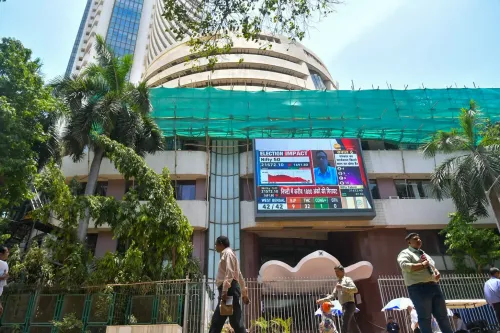
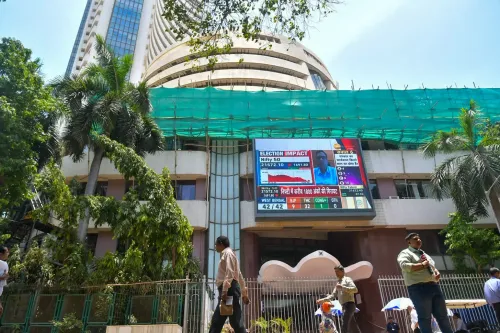
India is emerging as a potential beneficiary of a global shift away from AI-linked stocks, according to a report by the South China Morning Post. The report, dated 23 November, cited concerns about technology spending and tighter US restrictions on advanced chip exports as investors reassess technology-heavy markets.
The Sensex has risen nearly 6.65% since the 3 November US midterm election, according to the report, while several Asian markets have declined amid a broader technology sell-off.
Capital shifts from technology-heavy markets
Investors have begun moving capital away from markets such as Taiwan and South Korea, the report said, as questions grow over whether AI-related spending and earnings can be sustained. It linked the change in sentiment to a market rout following the Nvidia fallout and concerns about stricter US policies affecting AI.
For investors considering markets with less exposure to AI, the report identified India and Indonesia as the most obvious potential beneficiaries in Asia. That distinction matters because a shift between markets does not necessarily depend on a change in the outlook for every company in the destination market.
Carlos Casanova, senior economist for Asia at Union Bancaire Privee, told the publication that the rotation would encourage foreign investors to return to India after a two-year absence.
Lower oil prices support the outlook
The report also pointed to falling energy prices as a source of support for India, a major energy importer. Lower oil costs have eased concerns about the economy and improved the outlook for corporate profits and the rupee, it said.
Brent crude has fallen nearly 16% from a high of $110 per barrel on 16 October to around $92.44 on Monday, according to the source. An expert cited in the report forecast that an oil-price decline through the following year could provide a further tailwind for Indian equities.
The source presented both the move since the US election and the comparison with the 16 October high; it did not provide a separate oil price for election day. Oil prices remain a distinct factor from the rotation out of technology stocks, even though both were cited as supporting the Indian market.
Foreign inflows and Indonesia comparison
Cameron Systermans, head of multi-asset for Asia at Marsh, said foreign flows into Indian equities had returned over the preceding three weeks, but cautioned against assuming the trend would last.
“We have seen a return of foreign flows into Indian equities in the recent three weeks. Nevertheless, it is unclear how long this rotation trade will sustain,” Systermans said.
Mali Chivakul, emerging markets economist at Bank J. Safra Sarasin, pointed to index provider MSCI’s October proposal to downgrade Indonesia to stand-alone status over governance concerns. The report presented that proposal as a reason India could be the main beneficiary among the two markets.
What investors will be watching
The reported shift brings together several factors: the appetite for AI-linked shares, foreign flows into Indian equities, oil prices and the relative appeal of other Asian markets. The figures cited describe recent movements, rather than a guarantee that the same pattern will continue.
Whether foreign flows persist and whether energy prices remain supportive will be important to watch as investors reassess the rotation.
Point of View
But flows driven by discomfort elsewhere can reverse as quickly as sentiment changes. Lower oil prices could help the economy, yet investors should distinguish that support from a lasting improvement in corporate earnings. The test is whether India can retain foreign capital when the immediate technology sell-off no longer drives allocation decisions.
NationPress
23 Nov 2026
Frequently Asked Questions
Why could India benefit from a shift away from AI stocks?
India could attract capital as investors move away from technology-heavy markets such as Taiwan and South Korea, according to a report by the South China Morning Post. The report cites concerns about AI-related spending and earnings, as well as tighter US chip-export restrictions.
How much has the Sensex risen since the US midterm election?
The Sensex has risen nearly 6.65% since the 3 November US midterm election, according to the report.
How do lower oil prices affect the outlook for India?
Lower oil prices can ease energy costs for India, a major energy importer. The report said falling prices had improved the outlook for corporate profits and the rupee.
Why was Indonesia seen as a less obvious beneficiary than India?
Economist Mali Chivakul pointed to MSCI’s October proposal to downgrade Indonesia to stand-alone status over governance concerns. The report presented this as a reason India could be the main beneficiary of the shift.
Will foreign investment in Indian equities continue?
It is unclear how long the rotation will last, according to Cameron Systermans of Marsh. He said foreign flows into Indian equities had returned over the preceding three weeks.