India passenger EV sales may reach 10.2% by 2030: BNEF
Synopsis
India’s annual passenger EV sales could reach nearly 620,800 by 2030 and 5.2 million by 2040 under BloombergNEF’s market-led scenario. The report says lower battery costs could expand adoption, but a net-zero road transport fleet would require stronger policy and investment.
Key Takeaways
BloombergNEF projects nearly 620,800 passenger EV sales in India by 2030 , representing 10.2 per cent of total vehicle sales.
Annual passenger EV sales are projected to exceed 305,000 units in 2026 , up 42 per cent from 2025 .
Under the market-led Economic Transition Scenario, passenger EV sales could reach nearly 5.2 million annually by 2040 .
EVs represented 9.4 per cent of two-wheeler sales in the first 10 months of 2026 .
The report says stronger policy efforts and investment are needed to align road transport with a net-zero pathway by mid-century.
India’s passenger EV sales could reach nearly 620,800 vehicles and account for 10.2 per cent of total vehicle sales by 2030, according to a new BloombergNEF report. The forecast places annual sales at nearly 5.2 million by 2040 under a scenario driven by market forces rather than policy interventions.
The report, released on 23 November, also projects that annual passenger EV sales will exceed 305,000 units in 2026, an increase of 42 per cent from 2025. The estimates are projections, not guarantees of future sales.
Passenger EV sales and model availability
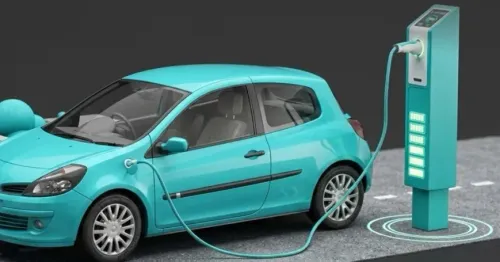
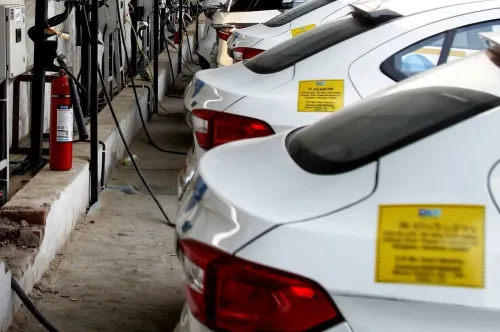
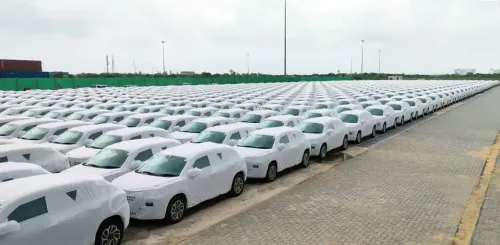
Expanding choice among electric models is helping adoption, according to the report. EVs now account for 6.7 per cent of all vehicles sold, while private purchases dominate passenger EV sales.
The forecast suggests further growth between 2026 and 2030, followed by a much larger increase over the following decade under BloombergNEF’s Economic Transition Scenario. That scenario models a transition led by market forces, rather than policy interventions.
The distinction matters because the longer-term estimate describes a modelled outcome, not a policy target or a sales commitment by manufacturers. Actual adoption will depend on how the market develops.
Two-wheelers and the wider EV market
Across India’s wider EV market, annual sales rose 17 per cent in 2025 to more than 2.4 million units, according to the report. Sales had already reached 2.9 million in the first 10 months of 2026.
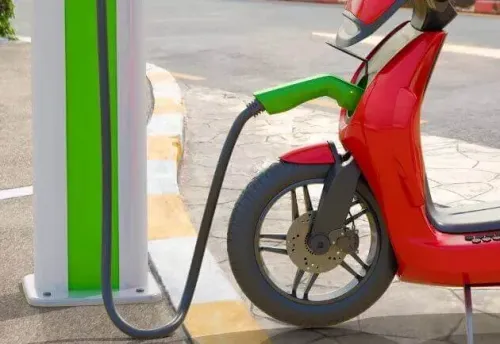
Electric vehicles made up 9.4 per cent of two-wheeler sales during those 10 months. The report projects electric two-wheeler sales will surpass 4.5 million by the end of the decade.
Electric two-wheeler sales received a boost after fossil fuel prices increased following the outbreak of the Iran war, the report said. The wider market’s figures cover more than passenger cars, so they should not be treated as equivalent to the passenger EV projections.
Costs, charging and shared mobility
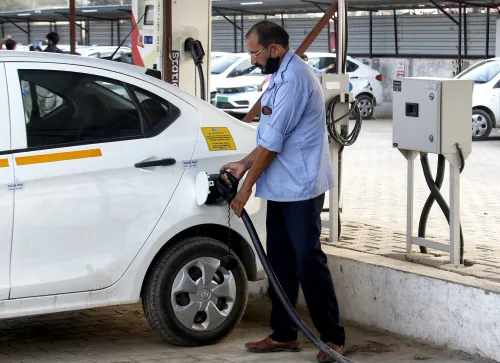
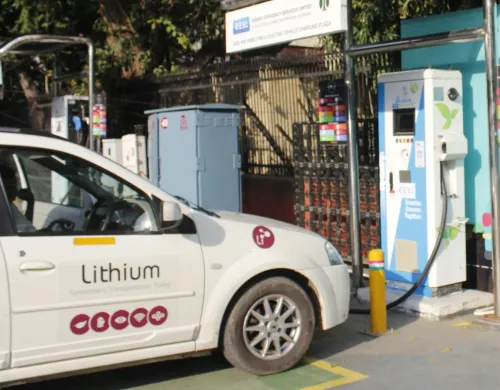
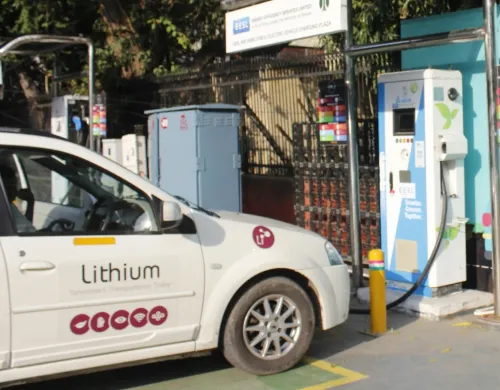
In the near term, favourable operating costs, cheaper new models and access to public charging are expected to support adoption. Over a longer period, the report identifies falling battery costs as a driver of mass-market uptake after 2030.
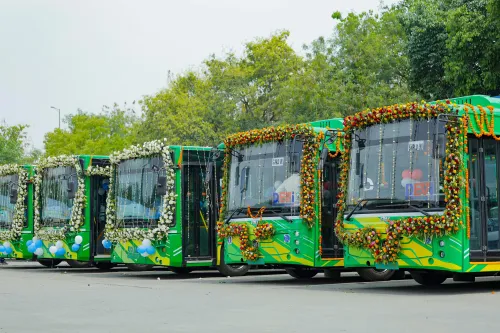
Shared mobility has not led the electrification of passenger cars in India, unlike in most other auto markets, according to BloombergNEF. It cited a shortage of affordable models suited to that use and competition from compressed natural gas cars, which also offer operating cost savings over petrol.
The report says lower battery prices could help manufacturers introduce more affordable passenger EVs. Even so, it concludes that stronger, coordinated policy efforts and greater investment will be needed to align the road transport fleet with a net-zero pathway by mid-century.
The pace of sales, the availability of lower-cost models and investment in charging will be factors to watch as the market moves towards 2030.
Point of View
But a market-led scenario should not be mistaken for a net-zero pathway. Private buyers are leading passenger car adoption while shared mobility faces affordability constraints and competition from compressed natural gas. The policy test is whether charging access and investment can support broader uptake without treating projected sales as an accomplished transition.
NationPress
23 Nov 2026
Frequently Asked Questions
What is the forecast for India’s passenger EV sales in 2030?
BloombergNEF projects nearly 620,800 passenger EV sales in India by 2030, representing 10.2 per cent of total vehicle sales.
How many passenger EVs could India sell in 2026?
The report projects that India’s annual passenger EV sales will exceed 305,000 units in 2026. That would be 42 per cent higher than in 2025.
What does BloombergNEF project for India’s passenger EV sales by 2040?
BloombergNEF projects nearly 5.2 million annual passenger EV sales by 2040 under its Economic Transition Scenario. The scenario models a transition led by market forces rather than policy interventions.
Why is shared mobility not leading passenger EV adoption in India?
BloombergNEF cites a lack of affordable models suited to shared mobility and competition from compressed natural gas cars. Those cars also offer operating cost savings over petrol.
What could drive EV adoption in India after 2030?
Falling battery costs could drive mass-market EV adoption after 2030, according to the report. It also says stronger policy efforts and greater investment are needed for a net-zero road transport pathway by mid-century.