India to finalise 114 Rafale jet deal with France by FY27-end, says IAF chief
Synopsis
India's top air force officer has put a firm timeline on the country's biggest-ever defence deal: the ₹3.25 lakh crore, 114-Rafale acquisition with France could be signed by end of FY2026-27. With Russia's Su-57 on the table as a contingency, depleting squadron strength as a pressure point, and the AMCA's timeline uncertain, the IAF chief's pre-Air Force Day remarks reveal the full strategic complexity behind a purchase nearly two decades in the making.
Key Takeaways
Air Chief Marshal A P Singh said on 3 October 2026 that the 114 Rafale MRFA deal could be finalised by end of FY2026-27 if negotiations stay on track.
The deal is estimated at approximately ₹3.25 lakh crore , making it India's largest-ever defence acquisition.
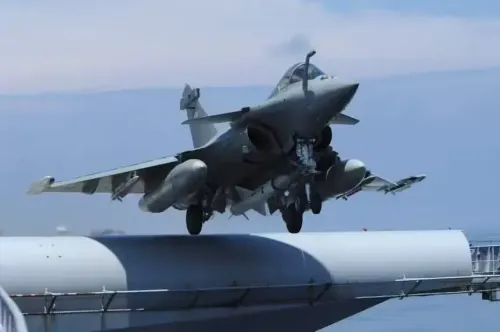
Conclusion of the deal would raise India's total Rafale fleet to 176 aircraft , including 36 already with the IAF and 26 Rafale-M jets ordered by the Indian Navy.
Russia has offered Su-57 jets as an alternative, but no decision has been taken, the Air Chief Marshal confirmed.
The IAF needs at least 36–40 aircraft annually to address its depleting fighter squadron strength.
The indigenous LCA Tejas Mark 1A programme will continue alongside the Rafale acquisition under a parallel track.
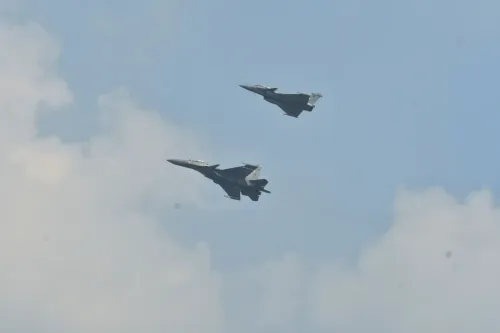
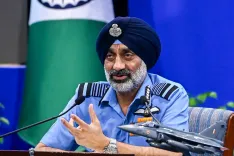
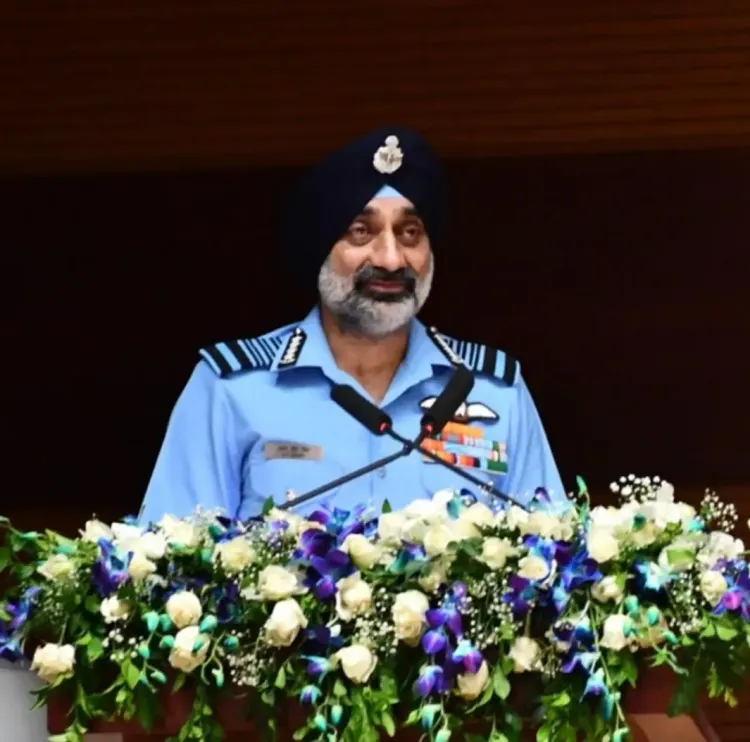
Air Chief Marshal A P Singh said on Saturday, 3 October 2026, that India is likely to conclude the long-pending 114 Rafale fighter jet deal with France by the end of the current financial year, provided negotiations progress on schedule. The announcement came at a press conference in New Delhi ahead of Air Force Day, marking a significant step in India's largest-ever defence acquisition, estimated at approximately ₹3.25 lakh crore.
Where Negotiations Stand
According to Air Chief Marshal Singh, price negotiations and other critical parameters of the proposed Multi-Role Fighter Aircraft (MRFA) acquisition are currently under way. India formally cleared the procurement proposal in February 2026 under a government-to-government framework with France — nearly two decades after the plan was originally conceived to bolster the Indian Air Force's (IAF) combat capabilities.
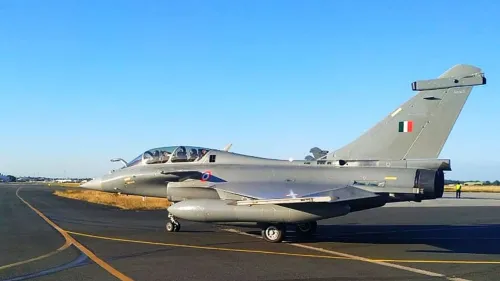
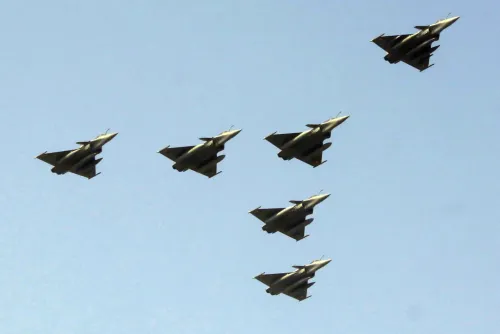
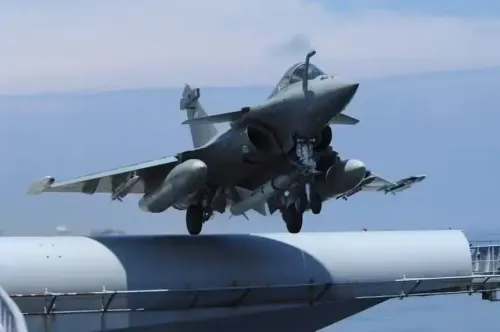
Once concluded, the deal would expand India's total Rafale inventory to 176 aircraft. This would include the 36 Rafales already operated by the IAF and the 26 Rafale-M naval variants ordered by the Indian Navy for deployment aboard its aircraft carriers.
The Su-57 Option and AMCA Delays
Air Chief Marshal Singh also raised the possibility of exploring alternative platforms if the domestically developed Advanced Medium Combat Aircraft (AMCA) programme faces delays. Russia has formally offered its Su-57 stealth jets to India, though Singh was categorical: 'Russia has offered us Su-57 jets, but no decision has been made on it.'
On the pressing issue of depleting fighter squadron strength, the Air Chief Marshal stated that the IAF requires a minimum of 36 to 40 aircraft annually over the next few years to maintain operational readiness.
Indigenisation and the Tejas Parallel Track
Defence Secretary Rajesh Kumar Singh had noted in September that the Rafale deal would help India establish a second fighter aircraft production line while also advancing greater indigenisation of defence manufacturing. The Air Chief Marshal echoed this, stressing the importance of producing a fighter jet engine domestically.
He also confirmed that the indigenous LCA Tejas Mark 1A programme will proceed in parallel. 'Even as we continue with the Rafale deal, the indigenous LCA Tejas Mark 1A programme will continue. It will be a spiral development model where we increasingly perfect it, fitting in indigenous radars that are better than global peers alongside indigenous weapons,' Singh said.
The Push for an AI-Augmented Force
Beyond procurement, Air Chief Marshal Singh laid out a broader modernisation vision. 'We have to have an AI-augmented force,' he said, adding that self-reliance is crucial for overall combat readiness. The remarks signal that the IAF's transformation agenda stretches well beyond platform numbers — encompassing technology, automation, and homegrown capability.
With formal negotiations ongoing and a financial-year-end deadline in sight, the coming months will be critical in determining whether India's most ambitious defence deal in recent memory crosses the finish line on time.
Point of View
The 114-Rafale deal has repeatedly stalled on price and offset negotiations; a FY27-end target is ambitious, not assured. The Su-57 mention is notable: whether a genuine contingency or a negotiating signal to Paris, it suggests New Delhi is not prepared to wait indefinitely. Meanwhile, the AMCA's uncertain timeline and the IAF's shrinking squadron count mean India is buying time it does not really have — and the cost of delay is measured in combat readiness, not just rupees.
NationPress
3 Oct 2026
Frequently Asked Questions
What is the 114 Rafale fighter jet deal India is negotiating with France?
It is India's largest-ever defence acquisition — a government-to-government deal to procure 114 Rafale Multi-Role Fighter Aircraft (MRFA) from France at an estimated cost of ₹3.25 lakh crore. The Cabinet formally cleared the proposal in February 2026, and price negotiations are currently ongoing.
When is the Rafale MRFA deal expected to be finalised?
Air Chief Marshal A P Singh said on 3 October 2026 that the deal is likely to be concluded by the end of FY2026-27, provided negotiations on price and other critical issues progress on schedule. No binding deadline has been formally announced.
How many Rafale jets will India have if the deal is signed?
India's total Rafale inventory would reach 176 aircraft — comprising the 114 new jets under the MRFA deal, 36 already in service with the Indian Air Force, and 26 Rafale-M naval variants ordered for Indian Navy aircraft carriers.
Why has India raised the possibility of buying Russia's Su-57 jets?
The Air Chief Marshal flagged the Su-57 as a potential alternative if the domestic Advanced Medium Combat Aircraft (AMCA) programme faces delays. He confirmed Russia has formally offered the jets, but stressed that no decision has been made on the proposal.
How does the Rafale deal fit into India's defence indigenisation goals?
Defence Secretary Rajesh Kumar Singh said in September 2026 that the Rafale deal would help establish a second fighter aircraft production line in India and support greater indigenisation of defence manufacturing. The indigenous LCA Tejas Mark 1A programme is set to continue on a parallel track alongside the Rafale acquisition.