India targets 600 MT steel capacity by 2047, says Naveen Jindal at ISA Conclave
Synopsis
India added over 100 MT of steel capacity in just the last decade — matching what took 78 years before that. At the 7th ISA Steel Conclave, Naveen Jindal set out an even bolder ambition: 300 MT by 2030-31 and 600 MT by 2047, framing steel as the backbone of a developed India.
Key Takeaways
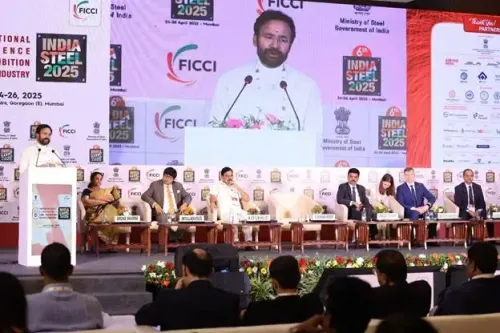
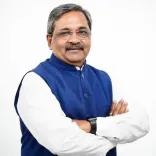
Naveen Jindal , Chairman of Jindal Steel Limited and BJP MP, spoke at the 7th ISA Steel Conclave in New Delhi on 17 November 2026 .
India targets 300 MT of steel production capacity by 2030–31 and 600 MT by 2047 .
India is currently the world's second-largest steel producer .
It took India 78 years post-Independence to reach 100 MT capacity; more than 100 MT was added in the last ten years alone.
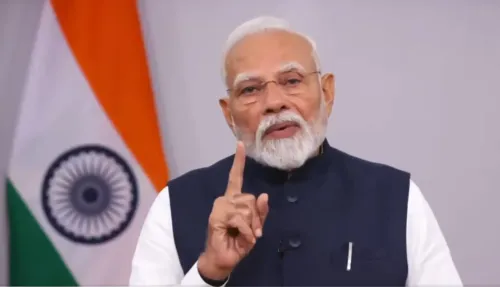
Jindal attributed the accelerated pace to PM Narendra Modi 's industrial vision and Steel Ministry support.
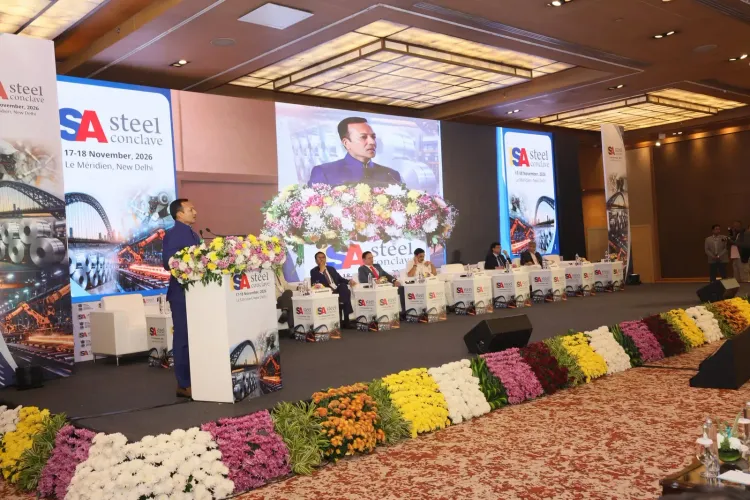
Naveen Jindal, Chairman of Jindal Steel Limited and Bharatiya Janata Party (BJP) Member of Parliament, said on Tuesday, 17 November 2026, that India has the capacity to achieve 300 million tonnes (MT) of steel production by 2030–31 and 600 MT by 2047, aligning with the government's vision of Atmanirbhar Bharat and Viksit Bharat. Jindal made the remarks on the sidelines of the 7th ISA Steel Conclave in New Delhi.
Key Statements at the Conclave
Speaking to reporters, Jindal emphasised the deepening collaboration between the steel industry and the government as a core driver of capacity growth. “With the support of the government, with the Steel Ministry, the Minister is here today with us, so we get all the support and guidance from the ministry, and we are working, industry and the government are working together to achieve 300 million tons by 2030–31 and 600 million tons by 2047,” he stated.
The Steel Minister's presence at the conclave was cited by Jindal as a signal of continued policy backing for the sector's expansion ambitions.
India's Steel Growth in Perspective
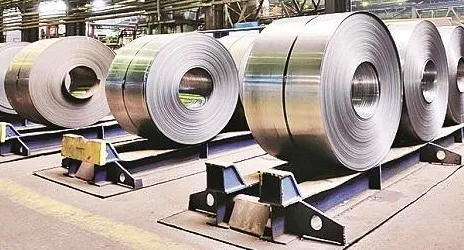
India is currently the world's second-largest steel producer, a position it has consolidated over the past decade through a combination of private investment and state-led policy support. Notably, it took the country nearly 78 years after Independence to build its first 100 MT of steel production capacity. In contrast, the last ten years alone saw more than 100 MT of additional capacity added — a pace Jindal attributed to Prime Minister Narendra Modi's industrial vision and focused support from the Steel Ministry.
“The first 100 million tons took 78 years to do, but now we are increasing our capacity much faster because we are getting all the support from the Steel Ministry,” Jindal told reporters.
The Viksit Bharat Connection
Jindal framed the 600 MT target within the broader national ambition of becoming a developed economy by 2047, the centenary of India's independence. He described steel production as a foundational pillar of that transition, linking it directly to self-reliance in manufacturing, infrastructure, and defence. This comes amid a wider government push to position India as a global manufacturing hub, spanning sectors from semiconductors to green energy.
What This Means for the Sector
Achieving the 300 MT milestone by 2030–31 would require the domestic steel industry to nearly double current production capacity within roughly four years — an aggressive target that industry observers say will depend on sustained policy support, raw material access, and infrastructure investment. The 600 MT target by 2047 would place India among the world's dominant steel economies, potentially rivalling China's current output trajectory. Analysts note that land acquisition, coking coal imports, and green steel transition costs remain structural challenges the sector must navigate.
The 7th ISA Steel Conclave is expected to serve as a platform for the industry to engage directly with the government on these bottlenecks as it charts the path ahead.
Point of View
But the more revealing number is the baseline: India added 100 MT of steel capacity in a decade after taking 78 years to reach the same milestone. That acceleration is real. What the conclave rhetoric glosses over, however, is the structural difficulty of the next leg — doubling capacity again by 2030-31 demands not just policy intent but coking coal security, green steel investment, and faster land clearances. Jindal's framing also conflates capacity with output; utilisation rates in Indian steel have historically lagged installed capacity. The 600 MT vision by 2047 is a planning horizon, not a guarantee.
NationPress
17 Nov 2026
Frequently Asked Questions
What are India's steel production targets for 2030 and 2047?
India is targeting 300 million tonnes of steel production capacity by 2030–31 and 600 million tonnes by 2047 , as outlined by Jindal Steel Chairman Naveen Jindal at the 7th ISA Steel Conclave. These targets align with the government's Viksit Bharat and Atmanirbhar Bharat goals.
Who is Naveen Jindal and why did he make these remarks?
Naveen Jindal is the Chairman of Jindal Steel Limited and a BJP Member of Parliament . He spoke on the sidelines of the 7th ISA Steel Conclave in New Delhi on 17 November 2026, addressing reporters about India's steel sector growth and future capacity plans.
How fast has India's steel capacity grown in recent years?
India added more than 100 million tonnes of steel production capacity in the last ten years , matching the total it had accumulated over the 78 years since Independence. This makes India the world's second-largest steel producer .
What challenges could affect India's 300 MT steel target by 2030-31?
Analysts point to several structural hurdles including raw material access — particularly coking coal imports — land acquisition, infrastructure bottlenecks, and the costs of transitioning to green steel production. Capacity utilisation rates have also historically lagged installed capacity in the Indian steel sector.
What is the Viksit Bharat vision and how does steel fit into it?
Viksit Bharat is India's goal of becoming a developed economy by 2047 , the centenary of its independence. Steel is considered a foundational sector in this vision, underpinning infrastructure, manufacturing, and defence self-reliance under the broader Atmanirbhar Bharat framework.