India's Ambitious Steel Production Goals: 300 MT by 2030
Synopsis
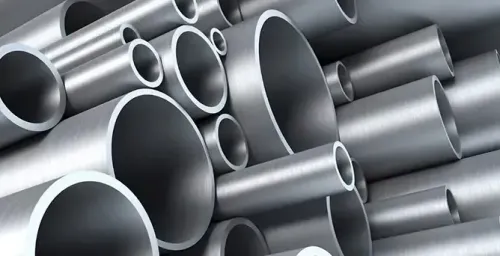
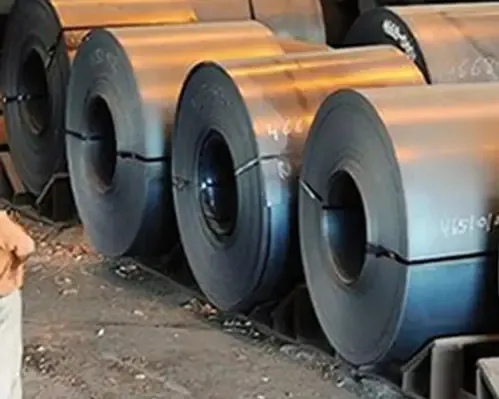
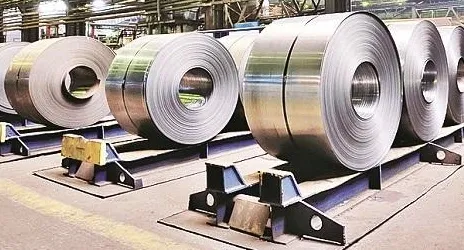
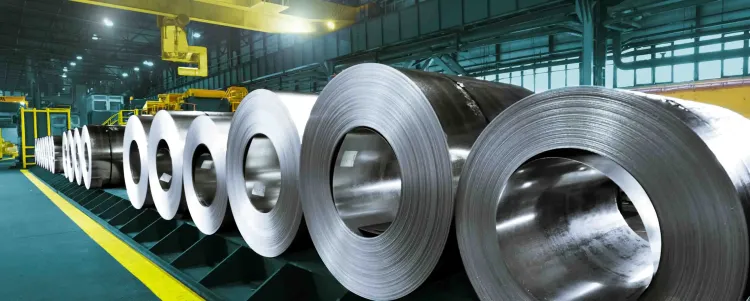
India's steel sector is on an ambitious path to reach a production capacity of 300 million tonnes by 2030, with a long-term goal of 400 million tonnes by 2035. This plan aims to position India as a global leader in steel manufacturing, highlighting its commitment to sustainable practices.
Key Takeaways
Target Capacity: 300 million tonnes by 2030.
Long-term Goal: 400 million tonnes by 2035.
Bharat Steel 2026: International conference on April 16-17, 2026.
Environmental Impact: Recycling saves resources and cuts emissions.
Steady Demand: 8% growth projected for FY26.
New Delhi, March 3 (NationPress) The Indian steel industry is setting its sights on achieving a production capacity of 300 million tonnes by the year 2030 and aims to escalate this to 400 million tonnes by 2035. This initiative is part of the country's strategy to establish itself as a global powerhouse in steel manufacturing, according to a statement released by the government on Tuesday.
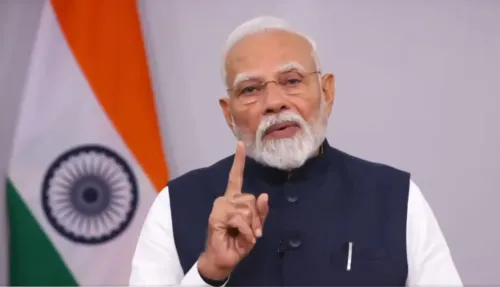
Sandeep Poundrik, Secretary of the Ministry of Steel, underlined the sector's ambitious growth trajectory during a high-level interactive meeting held with senior diplomats from around the world, aimed at fostering strategic partnerships, as stated in an official release.
The Ministry also shared insights into the upcoming ‘Bharat Steel 2026’ international conference and exhibition, which is set to take place on April 16–17, 2026, at Bharat Mandapam in New Delhi.
During the session, global diplomats were invited to provide their insights to help shape the roadmap for Bharat Steel 2026, the announcement revealed.
Poundrik emphasized the swift modernization of the steel sector and extended an invitation for collaboration with international partners as the local steel industry shifts towards low-carbon production and advanced processing technologies. He reiterated India’s dedication to developing resilient and sustainable global supply chains that emphasize innovation, efficiency, and environmental stewardship, as articulated by the Ministry of Steel.
India's approach is geared towards enhancing raw material security, expediting technology transfer, promoting environmentally sustainable steel production, and encouraging significant international collaboration, he noted.
The session saw active participation from the diplomatic community, with attendees expressing their appreciation for India’s progressive vision and eagerness to engage in Bharat Steel 2026, the statement highlighted.
The PHD Chamber of Commerce and Industry (PHDCCI) reported that recycling one ton of steel conserves 1.1 tons of iron ore and 630 kg of coking coal, while reducing emissions by 28 percent, making scrap metal vital for India's economic advancement.
Experts assert that scrap steel serves as a practical short-term solution for decarbonization, especially considering India's carbon intensity stands at 2.55 tonnes of CO₂ per tonne of steel.
Steel demand in India is expected to grow steadily at about 8 percent for FY26, leading to an additional demand of 11-12 million tonnes per annum (mtpa).
aar/pk
Point of View
The Indian government's initiative to expand the steel sector's capacity is a strategic move aimed at enhancing global competitiveness. By fostering collaborations and focusing on sustainability, India is not only addressing domestic needs but also positioning itself as a key player in the global steel market.
NationPress
24 Sept 2026
Frequently Asked Questions
What is India's steel production target for 2030?
India aims to achieve a steel production capacity of 300 million tonnes by 2030.
When is the Bharat Steel 2026 conference scheduled?
The Bharat Steel 2026 conference is set to take place on April 16-17, 2026.
What are the environmental benefits of recycling steel?
Recycling one ton of steel saves 1.1 tons of iron ore and 630 kg of coking coal, while reducing emissions by 28%.
How much is India's steel demand expected to grow?
Steel demand in India is projected to grow at around 8% for FY26.
What is the significance of low-carbon production in steel?
Low-carbon production is crucial for reducing the environmental impact of steel manufacturing and aligning with global sustainability goals.