India's National Steel Policy 2025: 400 MT capacity target and green shift by 2036
Synopsis
India's National Steel Policy 2025 isn't just a capacity blueprint — it's a dual bet on industrial scale and green transition. With a $183.41 billion investment requirement, a target to more than double crude steel output by 2035–36, and a plan to cut emissions intensity by nearly a quarter, the policy maps out one of the most ambitious industrial pivots in India's post-reform history.
Key Takeaways
India's National Steel Policy 2025 targets crude steel capacity of 400 million tons by 2035–36 , up from 168 million tons currently.
Achieving the target requires an estimated investment of $183.41 billion across the value chain.
The steel sector contributes 2.5% of GDP and supports 2.8 million jobs ; over 3 million additional jobs are projected by 2035–36 .
Emissions intensity is targeted to fall from 2.65 metric tons to 2 metric tons of CO₂ per ton of finished steel by 2035–36 .
Steel accounts for 10–12% of India's total carbon emissions; the policy aligns with India's net-zero by 2070 commitment.
Gas-based steelmaking and scrap-based production are being promoted as the primary pathways to cleaner output.
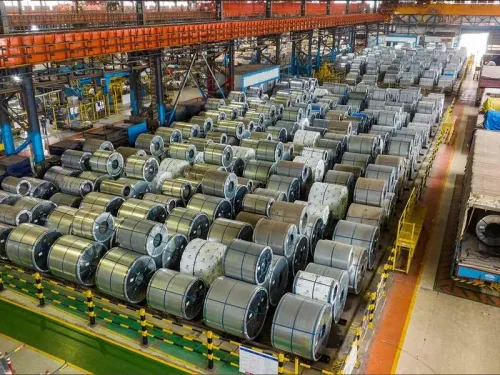
India's steel sector is entering a decisive new phase — one where expansion and environmental responsibility are being pursued simultaneously, according to a report in The Times Kuwait. The proposed National Steel Policy 2025 sets out an ambitious roadmap to scale crude steel capacity from roughly 168 million tons today to 400 million tons by 2035–36, underpinned by an estimated investment of $183.41 billion.
Scale of Expansion
The targets outlined in the policy reflect the pace at which India's infrastructure development, urban growth, and manufacturing base are being strengthened. The required capital infusion is expected to energise the entire value chain — from mining and transportation through to processing and exports — generating broad industrial momentum across the country.
The sector already contributes approximately 2.5% to India's GDP and supports close to 2.8 million jobs. With expansion plans in motion, employment in the sector is projected to grow substantially, potentially adding over 3 million additional jobs by 2035–36, reinforcing steel's outsized socio-economic role.
The Emissions Challenge
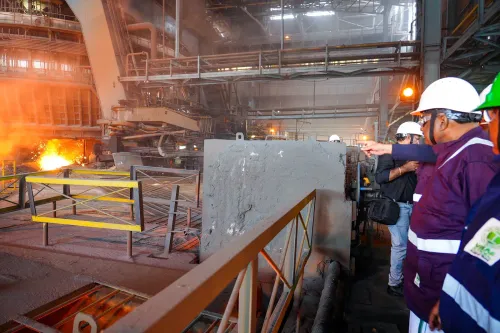
Steel production currently accounts for roughly 10–12% of India's total carbon emissions — a footprint that policymakers acknowledge must shrink. The National Steel Policy 2025 targets a reduction in emissions intensity to 2 metric tons of CO₂ per ton of finished steel by 2035–36, down from the current level of approximately 2.65 metric tons.
This transition is framed as essential to India's broader commitment to achieving net-zero emissions by 2070. Notably, closing even part of that emissions gap will require structural changes to how steel is made — not merely incremental efficiency gains.
Cleaner Production Methods Gaining Ground
Gas-based steelmaking is being actively promoted as a lower-emission alternative to the coal-intensive blast furnace processes that dominate current output. Alongside this, the industry is increasingly pivoting toward scrap-based production, signalling an embrace of circular economy principles where recycling and reuse become central operational strategies.
This dual approach — cleaner primary production and expanded secondary steel from scrap — is designed to reduce dependence on raw materials while cutting the carbon intensity of each ton produced.
Infrastructure as the Enabler
Technology and infrastructure will be decisive in determining whether these targets are met. Expanding gas pipeline networks, securing reliable energy supply, and upgrading industrial systems are identified as prerequisites for scaling cleaner steelmaking capacity across the country.
This comes amid a global push by major steel-producing nations to decarbonise heavy industry, where India — the world's second-largest steel producer — faces both competitive pressure and an opportunity to set new benchmarks for emerging-market industrialisation. How effectively the Centre translates policy targets into on-ground investment will define the sector's trajectory through the next decade.
Point of View
But the gap between policy targets and execution is where past industrial blueprints have faltered. Doubling capacity while simultaneously cutting emissions intensity demands a level of coordinated investment — in gas infrastructure, scrap ecosystems, and technology adoption — that India has not yet demonstrated at scale. The $183.41 billion figure is eye-catching, but the harder question is whether the regulatory and financing architecture exists to mobilise private capital at that volume. With steel accounting for 10–12% of national carbon emissions, the green transition is not optional — it is a prerequisite for India's net-zero credibility on the global stage.
NationPress
22 Sept 2026
Frequently Asked Questions
What is India's National Steel Policy 2025?
The National Steel Policy 2025 is a government framework targeting an increase in India's crude steel capacity from approximately 168 million tons to 400 million tons by 2035–36, with an estimated investment requirement of $183.41 billion. It also sets emissions reduction and employment growth targets for the sector.
How many jobs could India's steel expansion create?
The steel sector currently supports close to 2.8 million jobs and contributes 2.5% to GDP. With the planned expansion, over 3 million additional jobs are projected to be created by 2035–36.
What is India's target for reducing steel emissions intensity?
The policy targets a reduction in emissions intensity from the current approximately 2.65 metric tons of CO₂ per ton of finished steel to 2 metric tons by 2035–36, in line with India's broader net-zero by 2070 commitment.
How does India plan to make steel production cleaner?
Two main pathways are being pursued: gas-based steelmaking as a lower-emission alternative to coal-heavy blast furnace processes, and expanded scrap-based production that applies circular economy principles to reduce raw material consumption and carbon output.
Why does India's steel sector matter for climate goals?
Steel production accounts for roughly 10–12% of India's total carbon emissions, making it one of the largest industrial contributors to the country's carbon footprint. Reducing emissions intensity in the sector is therefore critical to meeting India's international climate commitments, including net-zero by 2070.