Can Carbon Capture Drive India's Steel Revolution?
Synopsis
Discover how PM Modi is championing carbon capture technology as a game-changer for India's steel industry, aligning with the ambitious Net Zero 2070 goal. This initiative not only aims to reduce emissions but also enhances global competitiveness, promising a sustainable future for India's industrial landscape.
Key Takeaways
Carbon capture technology is pivotal for India's steel sector.
India aims for Net Zero 2070 through strategic initiatives.
The green steel taxonomy enhances the demand for low-emission products.
Investment in green hydrogen is crucial for innovation in steel production.
CCUS technologies can significantly reduce emissions.
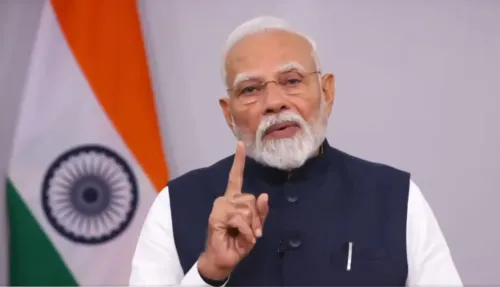
New Delhi, Feb 11 (NationPress) Prime Minister Narendra Modi emphasized the potential of carbon capture technology to spearhead India's forthcoming steel revolution as the nation intensifies its journey towards a Net Zero 2070 goal, backed by strategic investments and hydrogen initiatives that promote growth, global competitiveness, and pave the way for a Viksit Bharat.
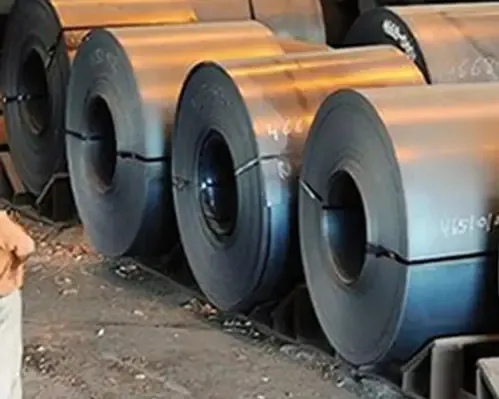
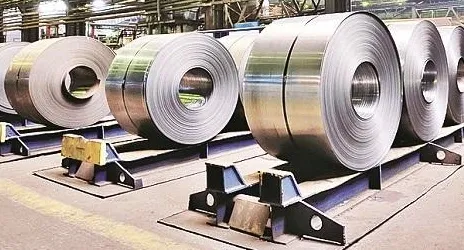
In reference to an article by Union Steel Minister H.D. Kumaraswamy, PM Modi described the current phase of India's iron and steel sector as pivotal in its evolution. As the world's second-largest producer of crude steel, generating approximately 152 million tonnes (MT) in FY 2024-25, this sector is crucial for India's economic development, infrastructural enhancement, and job creation. The aim is to achieve 300 MT of crude steel capacity by FY 2030–31 under the National Steel Policy 2017, with a long-term vision of reaching 500 million tonnes by 2047, ensuring steel's central role in India's industrial ambitions.
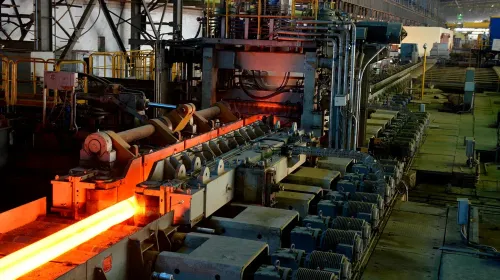
However, the minister highlighted that steel production is both energy and emissions-intensive. The Indian steel industry predominantly utilizes blast furnace and coal-based direct reduced iron production methods, relying heavily on coal as an energy source and reducing agent, which contributes about 10 to 12 percent of the nation's total greenhouse gas emissions.
Tackling this challenge is essential not only for achieving Net Zero by 2070 but also for maintaining the competitiveness of Indian steel in a world that is increasingly focused on carbon emissions. The government is laying the groundwork for a substantial shift towards cleaner steelmaking, as noted by the minister.
The introduction of the green steel taxonomy is a significant step forward, establishing emission intensity benchmarks (under 2.2 tCO2e/t-fs) and offering a transparent framework to classify and reward low-emission steel products as ‘green steel’ with ratings of 3 to 5 stars. This clarity in policy can stimulate demand for cleaner steel across various sectors such as construction and manufacturing, encouraging producers to invest in technologies that reduce emissions.
Moreover, Kumaraswamy highlighted that the Steel Ministry has received Rs 455 crore under the National Green Hydrogen Mission to explore the use of green hydrogen in steelmaking, indicating a strong commitment to innovative technologies that can transform steel production in the coming years. These initiatives signify a growing acknowledgment that decarbonizing steel is crucial for India's comprehensive climate and industrial strategy.
He noted that these efforts will expedite the production of low-carbon steel; however, to reach Net Zero, the Indian steel sector is also pursuing carbon capture, utilization, and storage technologies. In this context, the allocation of Rs 20,000 crore in the Union Budget to pilot carbon capture technologies across five sectors, including steel, signifies a critical policy intervention. For the steel industry, carbon capture is vital for achieving complete emission elimination, a feat that remains challenging despite advances in energy efficiency and renewable energy use.
Carbon capture systems present a straightforward and effective means to mitigate these process-related emissions. By capturing carbon dioxide from blast furnaces and direct reduced iron operations before it escapes into the atmosphere, CCUS technologies can significantly lower emissions while allowing existing facilities to function. This makes CCUS an invaluable asset for India, where a substantial number of steelmaking facilities will remain operational for decades to come, according to the minister.
Point of View
I recognize the significance of PM Modi's emphasis on carbon capture as a strategic move for India's steel sector. This initiative not only aligns with environmental goals but also ensures India's competitiveness in a global market increasingly focused on sustainability. The measures being implemented are crucial for a balanced approach to industrial growth and environmental responsibility.
NationPress
8 Oct 2026
Frequently Asked Questions
What is PM Modi's vision for India's steel industry?
PM Modi envisions a sustainable future for India's steel industry through the adoption of carbon capture technology, aiming for net zero emissions by 2070.
How much steel does India produce annually?
India is the second-largest producer of crude steel globally, with an output of around 152 million tonnes in FY 2024-25.
What measures are being taken to reduce emissions from steel production?
The Indian government is implementing a green steel taxonomy, investing in green hydrogen technologies, and allocating funds for carbon capture initiatives to reduce emissions from steel production.
What is the significance of carbon capture technology?
Carbon capture technology is crucial for reducing emissions from steel production, thereby supporting India's commitment to achieving net zero by 2070.
How does the green steel taxonomy work?
The green steel taxonomy establishes benchmarks for emission intensity and provides a framework to classify and reward low-emission steel products.