Rajnath Singh to visit troops in Darjeeling, Sikkim on Diwali
Synopsis
Union Defence Minister Rajnath Singh will spend Diwali 2026 at the frontier — interacting with troops at Bagdogra Airfield and Sukna on November 7, then paying tributes at Sherathang War Memorial in Sikkim on November 8.
Key Takeaways
Rajnath Singh announced a two-day visit to military stations in West Bengal and Sikkim on November 7–8, 2026 .
On Diwali eve (November 7) , he will interact with defence personnel at Bagdogra Airfield and Sukna (Siliguri) , Darjeeling district.
On November 8 (Diwali) , he will pay tributes at Sherathang War Memorial in Sikkim to soldiers who died in service.
Singh will also interact with defence personnel deployed in the Sikkim region after the memorial visit.
The visits follow a consistent tradition of defence ministers spending major national festivals with frontline troops.
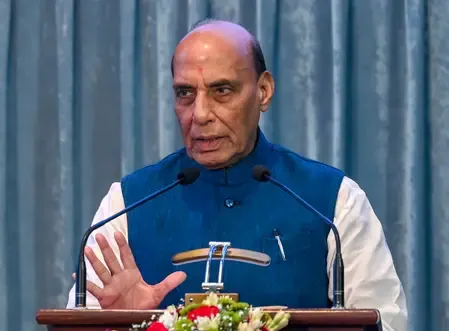
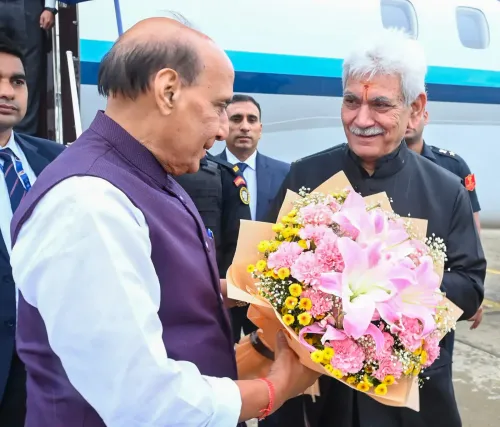
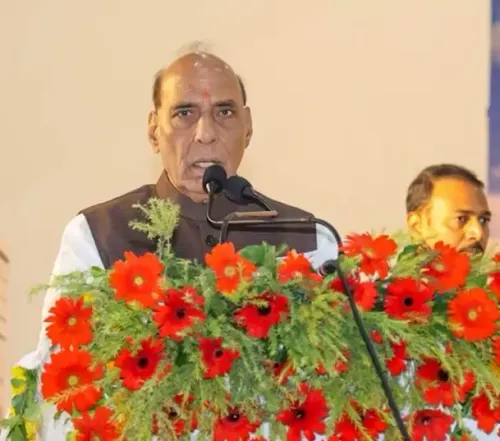
This Diwali, Union Defence Minister Rajnath Singh will not be celebrating at home — he will be with the soldiers. On Saturday, November 7, 2026, Singh announced he is travelling to Darjeeling to interact with defence forces personnel at Bagdogra Airfield and Sukna (Siliguri) on the eve of the festival, before heading to Sikkim the following morning to honour the country's fallen at Sherathang War Memorial.
Diwali at the frontier: Bagdogra and Sukna on the eve of the festival
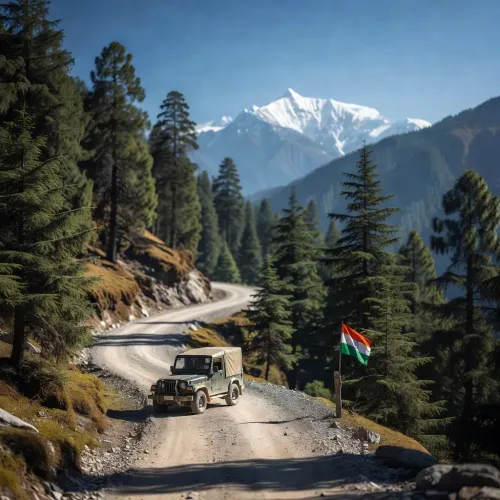
Bagdogra Airfield in West Bengal is an Indian Air Force facility that serves as a critical gateway to India's northeastern frontier. Sukna, located near Siliguri in the same state, is a key Indian Army cantonment. Both stations sit in the strategically sensitive 'Chicken's Neck' corridor — the narrow strip of land that connects India's northeastern states to the rest of the country. Troops posted here hold one of the more demanding deployments in the country's military geography.
Singh's choice to spend the Diwali eve among these personnel carries a pointed message: the festival of lights reaches the frontier too. Such visits by defence ministers during national festivals have been a consistent tradition, reinforcing the bond between the civilian government and the armed forces at moments when soldiers are far from their families.
Sherathang War Memorial: a tribute to Sikkim's brave-hearts
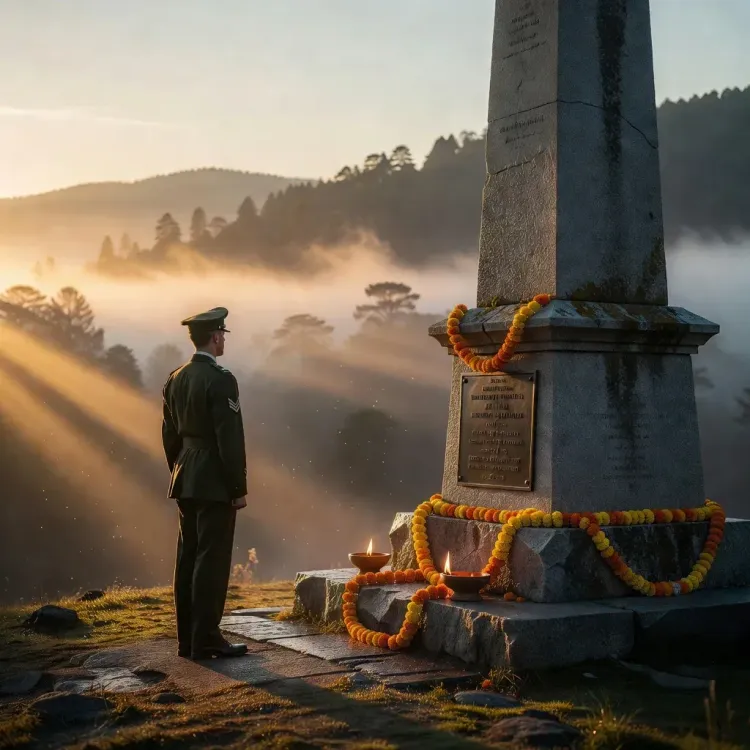
On November 8, Singh will travel to Sherathang War Memorial in Sikkim to pay tributes to soldiers 'who laid down their lives while serving the nation' — his words, stated directly in the post. The memorial stands as a solemn reminder of the human cost of guarding one of India's most sensitive borders. Sikkim shares a boundary with both China and Nepal, and the military presence in the state carries deep strategic weight.
Following the memorial visit, Singh is also scheduled to interact with defence personnel deployed in the region — a continuation of the soldier-outreach theme that runs through the two-day programme.
A minister on the ground, not at the podium
The two-day itinerary — Diwali eve at operational stations, Diwali morning at a war memorial — is a deliberate sequencing: first the living soldiers, then the memory of those who gave everything. For a senior political figure who has held the country's home and defence portfolios, the choice to spend India's biggest festival in the country's most sensitive military corridor speaks louder than any ceremony at the capital ever could. Watch for any statements he makes to troops on the ground — those tend to carry policy signals as much as morale.
Point of View
Which has consistently positioned national security as a core political identity, such visible engagements reinforce both governance optics and genuine troop-welfare commitments. The sequencing — living soldiers first, fallen soldiers second — suggests a carefully framed narrative of remembrance and resolve.
NationPress
7 Nov 2026
Frequently Asked Questions
Where is Rajnath Singh going on Diwali 2026?
Rajnath Singh is visiting Bagdogra Airfield and Sukna (Siliguri) in West Bengal on November 7 and Sherathang War Memorial in Sikkim on November 8, 2026 .
What is Sherathang War Memorial in Sikkim?
Sherathang War Memorial is a memorial located in Sikkim that honours Indian soldiers who sacrificed their lives in service to the nation. Rajnath Singh is visiting it on November 8, 2026 to pay tributes.
Why is Rajnath Singh visiting troops on Diwali?
It is a consistent tradition for India's Defence Minister to spend major national festivals such as Diwali with frontline troops, reinforcing morale and the government's commitment to soldier welfare.
Where is Bagdogra Airfield located?
Bagdogra Airfield is an Indian Air Force facility located in Darjeeling district, West Bengal , and serves as a key base in the strategically sensitive northeastern corridor.
What is the Sukna army cantonment?
Sukna is an Indian Army cantonment near Siliguri in West Bengal , located in the strategically vital Siliguri Corridor that connects India's northeastern states to the mainland.