India's Steel Sector Achieves Impressive 10.7% Growth in 2025-26
Synopsis
India's steel industry has recorded a remarkable 10.7% growth in production during 2025-26, solidifying its position as the second-largest producer globally. This growth is driven by strong domestic demand and significant export performance despite global challenges.
Key Takeaways
10.7% growth in steel production in 2025-26 Production reached 168.4 million tonnes Domestic demand is a key growth driver 35.9% increase in finished steel exports Projected capacity to reach 300 million tonnes by 2030
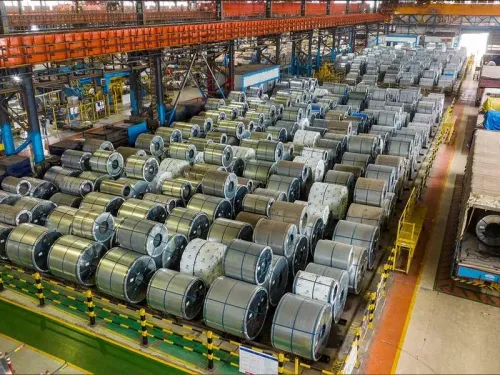
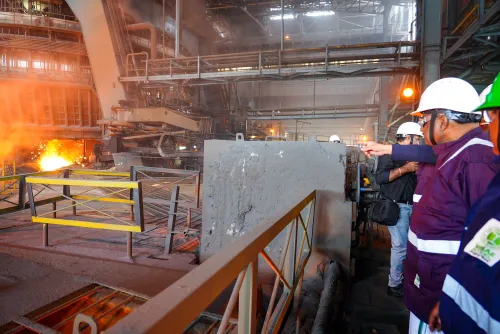
New Delhi, April 8 (NationPress) The steel sector in India achieved an impressive 10.7% year-on-year growth, producing approximately 168.4 million tonnes during the fiscal year 2025–26. This achievement solidifies India’s status as the world’s second-largest steel producer while adeptly dealing with global uncertainties and pricing pressures, as reported by the Ministry of Steel on Wednesday.
Domestic consumption was the primary catalyst for this growth, with finished steel usage reaching 164 million tonnes, marking an increase of around 7–8%. This surge was largely fueled by heightened activity in infrastructure, construction, railways, and manufacturing.
The government's ongoing commitment to large-scale infrastructure projects and urban development significantly contributed to the rise in steel consumption during this period, the statement added.
Notably, FY 2025–26 showcased India’s remarkable export performance. Finished steel exports soared by 35.9%, exceeding 6 million tonnes from April to March, while imports fell sharply by 31.7%. This transformation allowed India to reclaim its status as a net exporter of steel, enhancing its presence in global markets such as the Middle East, Europe, and Southeast Asia.
The growth in exports was also bolstered by market diversification and the enhanced competitiveness of Indian steel products.
The industry experienced sustained investments aimed at increasing production capacity. India’s total steel capacity reached 220 million tonnes in FY 2025–26 and is anticipated to reach 300 million tonnes by 2030, supported by investments from both public and private sectors.
Leading companies like SAIL, Tata Steel, and JSW Steel continued their investments in capacity expansion, technological advancements, and production of value-added steel, demonstrating confidence in long-term demand.
Steel prices in India had been on a declining trend for three years but began to recover in early 2026. Nonetheless, profitability faced challenges due to fluctuating raw material expenses, particularly coking coal, and unpredictable global pricing. Increased logistics and transportation expenses also impacted margins towards the year’s end due to geopolitical tensions, the statement noted.
Looking forward, the Indian steel sector is set to sustain its growth trajectory, with production expected to rise and demand remaining strong. However, the industry must address challenges related to energy security, input costs, and global market fluctuations. With ongoing policy support, infrastructure development, and investments in green steel technologies, the sector is well-positioned to be a crucial element of India’s industrial and economic progress, as highlighted by the statement.
Additionally, disruptions in gas supplies from the Middle East due to the Iran war led to shortages of industrial fuels like LPG, jeopardizing the production continuity for numerous steel manufacturers. In response, the government increased LPG allocations to vital sectors, including steel, to mitigate the impact and sustain output levels. The rising energy costs and supply chain disruptions underscored the sector’s vulnerability to global shocks, the statement elaborated.
Meanwhile, strong domestic demand also resulted in heightened logistics activities. Indian Railways reported an uptick in freight movement for iron ore and finished steel, while growth in the eight core industries of India indicated persistent industrial activity and consumption across various regions.
Point of View
Showcasing resilience amid global challenges. With significant domestic demand and a strong export performance, the sector is set for continued growth, but must address underlying challenges for sustainable progress.
NationPress
26 Sept 2026
Frequently Asked Questions
What was the growth rate of India's steel industry in 2025-26?
The Indian steel industry recorded a growth rate of 10.7% in 2025-26.
How much steel did India produce in 2025-26?
India produced approximately 168.4 million tonnes of steel in 2025-26.
What factors drove steel consumption in India?
Increased activity in infrastructure, construction, railways, and manufacturing sectors drove steel consumption.
What was the status of steel exports for India in FY 2025-26?
India's finished steel exports surged by 35.9%, exceeding 6 million tonnes during the fiscal year.
What challenges does the Indian steel industry face?
The industry faces challenges related to energy security, input costs, and global market volatility.