Bihar CM's Office Honours Seven Martyrs of 1942 on Shaheed Diwas
Synopsis
The Chief Minister's Office of Bihar on 11 August 2026 paid solemn tribute to seven Bihari martyrs killed on 11 August 1942 during the Quit India Movement, marking Shaheed Diwas with reverence for their supreme sacrifice and patriotism.
Key Takeaways
The Chief Minister's Office of Bihar marked Shaheed Diwas on 11 August 2026 with an official tribute.
Seven Bihari freedom fighters sacrificed their lives on 11 August 1942 , three days after the Quit India Movement was launched on 8 August 1942 .
The tribute honoured their 'indomitable courage, patriotism, and supreme sacrifice' ( अदम्य साहस, देशभक्ति और सर्वोच्च बलिदान ).
Bihar maintains a distinct annual calendar of observances tied to 1942 events, making 11 August a date of institutional memory for the state.
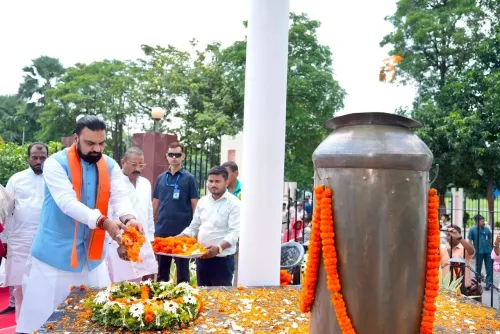
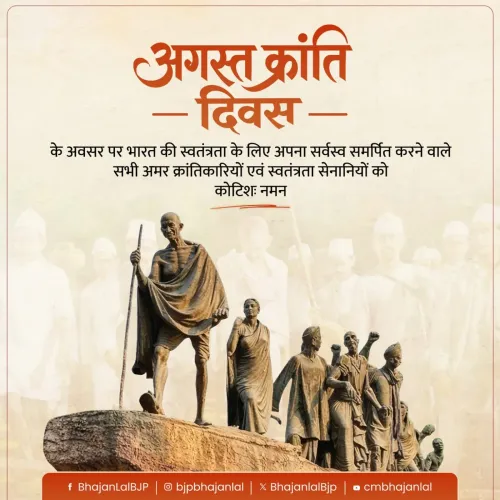
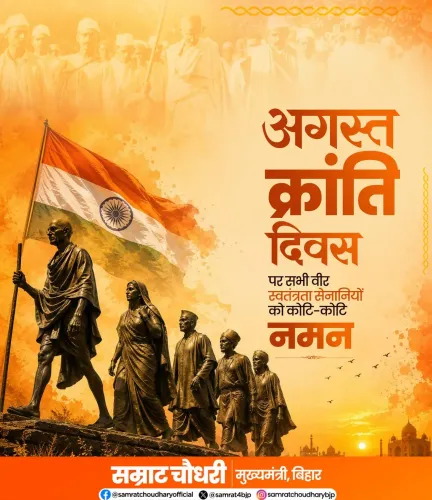
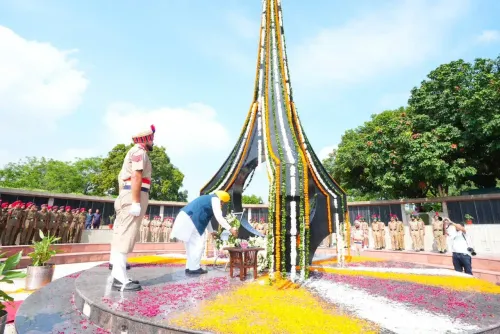
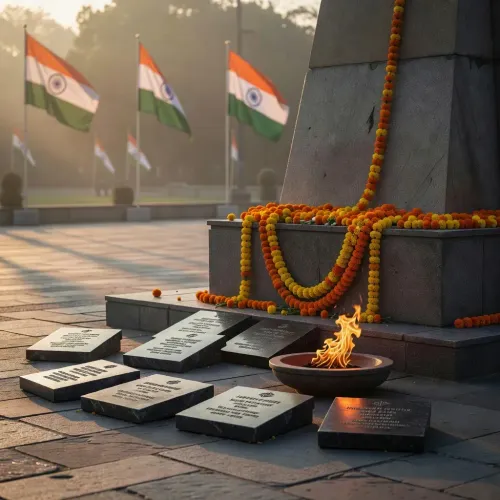
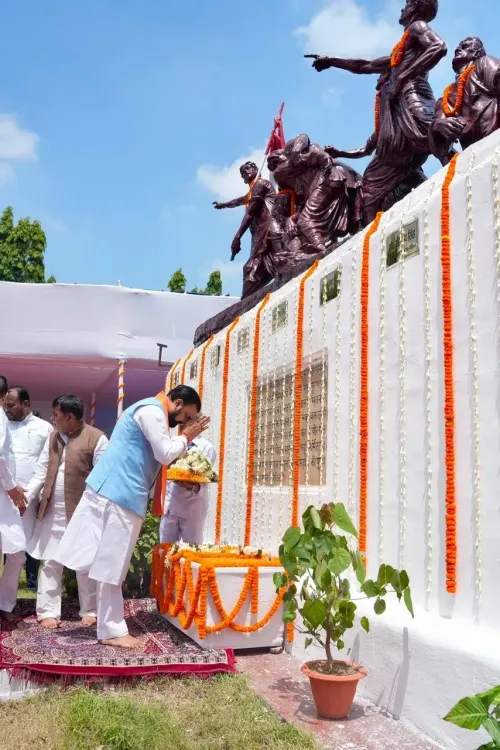
The post was accompanied by 2 images shared by the official CMO Bihar account on X.
Eighty-four years after seven of Bihar's sons laid down their lives for India's freedom, their sacrifice was remembered with solemn reverence on Shaheed Diwas, 11 August 2026. The Chief Minister's Office of Bihar paid tribute to the seven immortal martyrs who gave their lives on 11 August 1942 during the height of the Quit India Movement — honouring their indomitable courage, patriotism, and supreme sacrifice.
The official post, shared in Hindi, read: '11 अगस्त 1942 को देश की आजादी के लिए अपने प्राणों की आहुति देने वाले बिहार के सात अमर शहीदों के अदम्य साहस, देशभक्ति और सर्वोच्च बलिदान को शहीद दिवस के अवसर पर श्रद्धापूर्वक याद किया गया।' — 'On the occasion of Shaheed Diwas, the indomitable courage, patriotism and supreme sacrifice of the seven immortal martyrs of Bihar who offered their lives for the country's freedom on 11 August 1942 were reverently remembered. A heartfelt tribute was paid, bowing to their immortal sacrifice.'
What happened on 11 August 1942 in Bihar
Three days after Mahatma Gandhi launched the Quit India Movement on 8 August 1942 with the call of 'Do or Die', mass protests swept across Bihar. Colonial authorities responded with force, and on 11 August 1942, seven Bihari freedom fighters were killed — their deaths etching that date permanently into the state's memory as a day of mourning and honour.
Bihar has long maintained a distinct calendar of observances tied to the events of 1942, a reflection of the state's deep imprint on India's independence struggle. The annual Shaheed Diwas commemoration on 11 August keeps that imprint alive — connecting the present administration to the freedom struggle narrative and reminding residents of the human cost behind independence.
Bihar's annual covenant with its fallen
State governments across India mark independence-era martyrdoms as a matter of institutional memory, but Bihar's 11 August observance carries particular weight: it is tied to a specific, documented act of lethal colonial repression, not a generalised tribute. The Chief Minister's Office sharing the tribute publicly underscores that this is a matter of state record, not just sentiment.
As India moves further from 1942 in calendar years, the official act of naming — and remembering — the cost of freedom becomes more, not less, necessary. Bihar's seven martyrs of that August morning are a reminder that independence was not declared; it was bled for.
Point of View
Linking the ruling administration to the freedom struggle's most visceral chapter in the state. By anchoring the tribute to a precise date and a specific number of martyrs, the Chief Minister's Office signals institutional continuity rather than seasonal sentiment. Across India, such observances have taken on renewed salience as the generation with living memory of 1947 recedes; official commemoration becomes the primary vehicle for keeping that history in public consciousness. For Bihar, a state that contributed significantly to the Quit India Movement, 11 August functions as a distinct, locally-owned moment of national memory.
NationPress
25 Sept 2026
Frequently Asked Questions
Why is 11 August observed as Shaheed Diwas in Bihar?
11 August is observed as Shaheed Diwas in Bihar because seven Bihari freedom fighters were killed on that date in 1942 during protests sparked by the Quit India Movement, which was launched on 8 August 1942.
Who were the seven martyrs of Bihar from 1942?
The seven martyrs were Bihari freedom fighters who sacrificed their lives on 11 August 1942 during the Quit India Movement. Their specific names are not cited in the official post, and the Bihar government's tribute refers to them collectively as the seven immortal martyrs ( सात अमर शहीद ).
What was the Quit India Movement and how did it affect Bihar?
The Quit India Movement was launched by the Indian National Congress on 8 August 1942, calling for an immediate end to British rule. Bihar saw widespread protests in response, and colonial authorities used force against demonstrators, resulting in deaths including those of the seven martyrs commemorated on 11 August.
What did Bihar CM's Office say on Shaheed Diwas 2026?
The Chief Minister's Office of Bihar posted a tribute on 11 August 2026 honouring the seven immortal martyrs of Bihar, remembering their indomitable courage, patriotism, and supreme sacrifice for India's freedom on 11 August 1942.
Does Bihar have a separate Shaheed Diwas from the national one?
Yes. While India observes a national Martyrs' Day on 30 January (marking Mahatma Gandhi's assassination), Bihar observes 11 August as its own Shaheed Diwas, tied specifically to the deaths of seven Bihari freedom fighters during the Quit India Movement in 1942.