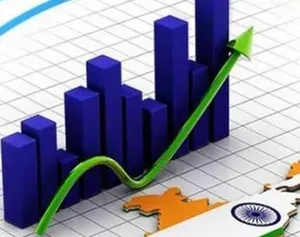
India's GDP grows 7%+ for third year; global confidence rising, says MoSPI
Synopsis
India has logged more than 7% GDP growth for the third year running — with Q1 of the current financial year clocking 7.8% — and global institutions are revising their projections upward. At the same time, Indonesia is signalling a push to unlock underutilised trade potential with India in semiconductors, EVs, and critical minerals, framing it as a counter to global protectionism.
Key Takeaways
MoSPI Secretary Saurabh Garg confirmed India has recorded more than 7% GDP growth for the third consecutive year .
India's Q1 GDP growth in the current financial year stood at 7.8 per cent .
Several international institutions are reportedly revising India's growth projections upward , according to Garg.
Indonesia's Special Envoy Mari Elka Pangestu said India-Indonesia cooperation in manufacturing, semiconductors, EVs, and critical minerals remains underutilised.
Pangestu urged countries to resist protectionist responses to US tariff moves, calling for stronger bilateral partnerships instead.
Opportunities under the ASEAN-India framework and bilateral arrangements were flagged as key levers for expanding the economic relationship.
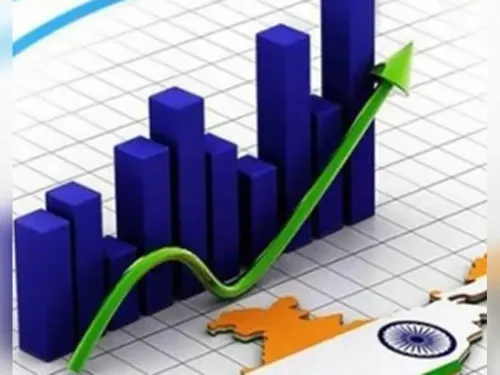
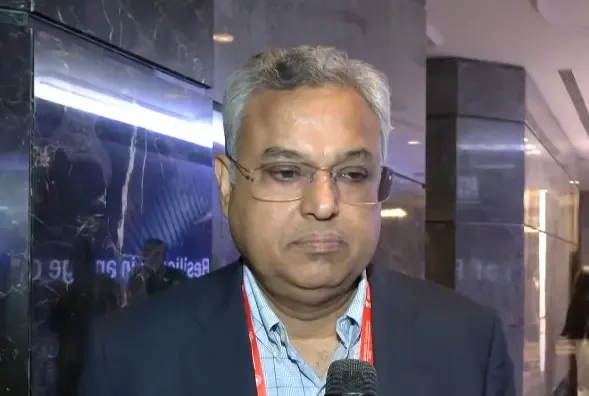
India's economy has recorded growth of more than 7 per cent for the third consecutive year, reinforcing its status as one of the world's fastest-growing major economies, Ministry of Statistics and Programme Implementation (MoSPI) Secretary Saurabh Garg said on Sunday, 4 October 2026. Garg noted that the sustained performance is prompting several international institutions to revise their growth projections for India upward.
Strong Growth Numbers
India posted 7.8 per cent real GDP growth in the first quarter of the current financial year, according to Garg, who added that real economic indicators continue to point toward sustained momentum. He said the country's performance remains encouraging even as the broader global economic environment stays uncertain.
'India's strong economic position is prompting several international institutions to revise their growth projections upwards. This reflects growing global confidence in the country's economic policies and its growth potential,' Garg said.
What the Numbers Mean
Three consecutive years of 7-plus per cent growth would place India among a very small group of large economies sustaining such a pace in the post-pandemic era. This comes amid subdued growth across several developed markets and ongoing concerns about a global slowdown. The sustained momentum has drawn attention from global investors and multilateral institutions alike, who are watching India as a relative bright spot.
Indonesia Eyes Deeper Economic Ties With India
In a parallel development, Indonesia's Special Envoy for International Trade and Multilateral Cooperation, Mari Elka Pangestu, said there is considerable scope for expanding economic engagement between India and Indonesia, particularly in manufacturing, semiconductors, electric vehicles (EVs), and critical minerals.
Pangestu cautioned against a protectionist drift in global trade, arguing that countries should deepen partnerships rather than raise barriers against each other. 'If the US wants to use tariffs as an economic policy instrument, that is its decision. But other countries should not respond by adopting protectionist policies against one another,' she said.
Underutilised Bilateral Potential
Pangestu specifically flagged that opportunities under both bilateral arrangements and the ASEAN-India framework remain underutilised. She pointed to the goods, services, tourism, and people-to-people movement channels as areas where the two countries could build stronger ties. Semiconductors and EVs, she noted, could emerge as flagship areas of industrial collaboration as global demand for these sectors continues to rise.
What to Watch
The sustained GDP growth figure will feed into upcoming assessments by bodies such as the International Monetary Fund (IMF) and the World Bank, whose revised projections Garg alluded to. On the bilateral front, the next formal India-Indonesia engagement under the ASEAN-India framework will be closely watched for whether the cooperation rhetoric translates into concrete trade and investment commitments.
Point of View
Not a one-off bounce — and the market is beginning to price that in through upward IMF and World Bank revisions. But the MoSPI framing focuses almost entirely on headline GDP, while questions around the quality of growth — wage trends, rural demand, and manufacturing's stubbornly modest share of output — remain unanswered in the official narrative. The Indonesia angle is worth watching: bilateral trade between two large Indo-Pacific economies with complementary supply chains in semiconductors and EVs could reshape regional value chains if the ASEAN-India framework delivers more than a photo opportunity. The risk, as always, is that political goodwill does not translate into reduced non-tariff barriers or faster investment clearances on either side.
NationPress
4 Oct 2026
Frequently Asked Questions
How fast is India's economy growing in 2026?
India has recorded more than 7 per cent GDP growth for the third consecutive year, with the first quarter of the current financial year coming in at 7.8 per cent, according to MoSPI Secretary Saurabh Garg. This places India among the fastest-growing major economies globally.
Why are global institutions revising India's growth projections upward?
According to MoSPI Secretary Saurabh Garg, India's sustained economic performance and relatively robust real economic indicators have prompted several international institutions to revise their growth forecasts higher. The country's policy stability and domestic demand momentum are cited as key drivers of this confidence.
What is Indonesia proposing in its economic engagement with India?
Indonesia's Special Envoy Mari Elka Pangestu said there is significant scope for expanding cooperation in manufacturing, semiconductors, electric vehicles, and critical minerals. She noted that both bilateral and ASEAN-India framework opportunities remain underutilised and called for deeper trade and investment ties.
What did Indonesia's envoy say about US tariffs and protectionism?
Mari Elka Pangestu said that while it is the US's prerogative to use tariffs as a policy tool, other countries should not respond with mutual protectionism. She argued that nations should instead focus on building stronger partnerships with economies where there is clear mutual benefit.
What sectors could drive India-Indonesia collaboration?
Semiconductors, electric vehicles, manufacturing, and critical minerals were identified as the most promising sectors. Pangestu also highlighted services, tourism, and greater people-to-people movement as additional avenues for strengthening the bilateral economic relationship.