CM Pema Khandu upgrades Itanagar's RK Mission Hospital
Synopsis
Arunachal Pradesh CM Pema Khandu inaugurated a dedicated 33 kV substation ensuring uninterrupted power at Ramakrishna Mission Hospital, Itanagar, and unveiled Vivekananda Hall-II for residential accommodation of the Mission's service volunteers.
Key Takeaways
Ramakrishna Mission Hospital, Itanagar received a dedicated 33 kV substation to guarantee uninterrupted power supply for all medical operations.
Vivekananda Hall-II was simultaneously inaugurated to provide comfortable accommodation for monks and volunteers running the hospital.
Both facilities were inaugurated by Arunachal Pradesh Chief Minister Pema Khandu on October 4, 2026 .
The power upgrade moves the hospital beyond generator-dependent backup to a stable, grid-level electricity guarantee.
The investment reflects the state government's partnership model with civil-society institutions in delivering healthcare across difficult terrain.
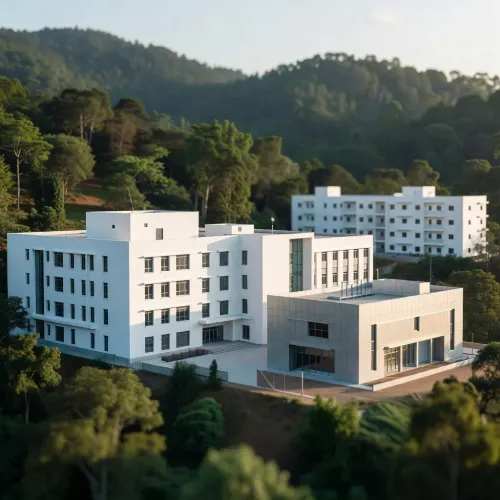
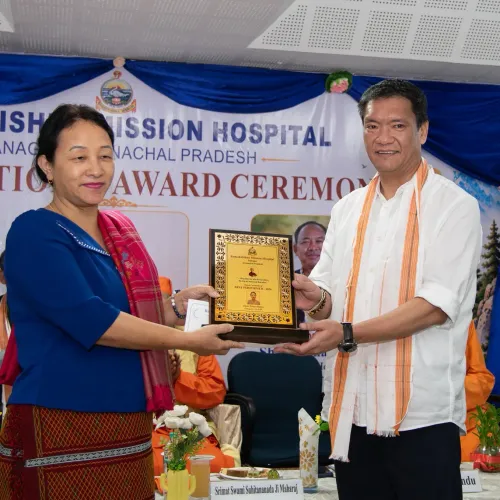
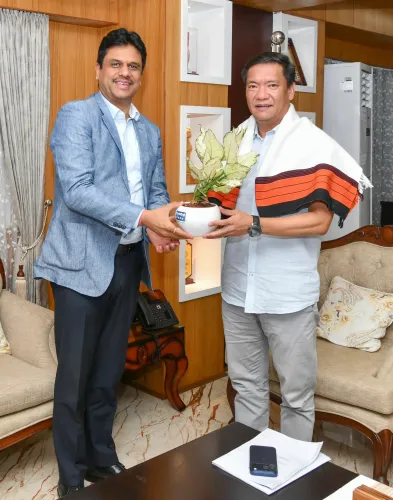
A hospital that serves some of Arunachal Pradesh's most vulnerable patients just got a critical infrastructure upgrade — and a new home for those who run it. On Sunday, October 4, 2026, Arunachal Pradesh Chief Minister Pema Khandu inaugurated a dedicated 33 kV substation at Ramakrishna Mission Hospital, Itanagar, guaranteeing uninterrupted power supply to one of the state's most important healthcare institutions. Alongside it, he unveiled Vivekananda Hall-II, a new residential facility for the monks and volunteers who power the hospital's mission of selfless service.
Why a 33 kV substation changes everything for the hospital
Power cuts are not a minor inconvenience inside an operating theatre or an intensive care unit — they are a matter of life and death. By commissioning a dedicated 33 kV substation exclusively for the hospital, the state government has moved beyond stopgap diesel-generator backup and given Ramakrishna Mission Hospital a permanent, grid-level power guarantee. Sensitive equipment — ventilators, surgical lights, blood storage units — can now run without the anxiety of sudden outages, lifting the quality of care the facility can deliver to patients from across the state's remote hills and valleys.
Vivekananda Hall-II: shelter for the servers
Ramakrishna Mission Hospital is not a commercial enterprise. It is run by the Ramakrishna Mission, a monastic organisation founded on the teachings of Swami Vivekananda, whose volunteers and monks dedicate their lives — often with very modest personal comforts — to caring for patients. The inauguration of Vivekananda Hall-II acknowledges that reality: dignified accommodation for those in service is not a luxury but an operational necessity. When caregivers are housed well, patient care improves. The hall's name is a deliberate tribute to the Mission's founding philosophy of treating service to humanity as service to God.
Itanagar's healthcare backbone gets state attention
Ramakrishna Mission Hospital, Itanagar has long served as a dependable secondary-care anchor for residents of Arunachal Pradesh, a state where geography makes healthcare delivery uniquely difficult. Mountainous terrain, sparse road connectivity, and widely dispersed populations mean that institutional hospitals in the capital carry a disproportionate load. Infrastructure investments at this facility — power reliability and staff welfare — ripple outward: patients who might otherwise travel to Guwahati or beyond for stable hospital care have a better reason to stay closer to home.
For a state government, backing a Mission-run hospital with hard infrastructure is also a statement of partnership between the public purse and civil society in delivering healthcare where government capacity alone cannot reach every corner.
Two upgrades, one message: in Arunachal Pradesh, the infrastructure of care — power, shelter, and steady hands — is finally being treated as seriously as the care itself.
Point of View
Not just headline construction. The naming of the residential block after Swami Vivekananda also carries symbolic weight ahead of the Mission's continued expansion in the region, aligning governance optics with cultural reverence. Sustaining this momentum will require equally focused attention to last-mile connectivity so the hospital's upgraded capacity reaches patients deep in Arunachal's interior.
NationPress
4 Oct 2026
Frequently Asked Questions
What was inaugurated at Ramakrishna Mission Hospital Itanagar in October 2026?
Chief Minister Pema Khandu inaugurated a dedicated 33 kV substation for uninterrupted power supply and Vivekananda Hall-II, a residential facility for the Mission's service volunteers, at Ramakrishna Mission Hospital, Itanagar on October 4, 2026.
What is the 33 kV substation at Ramakrishna Mission Hospital for?
The dedicated 33 kV substation ensures a stable, uninterrupted power supply to the hospital, protecting critical medical equipment such as ventilators and surgical lights from power outages.
What is Vivekananda Hall-II in Itanagar?
Vivekananda Hall-II is a newly inaugurated residential accommodation block at Ramakrishna Mission Hospital, Itanagar, designed to provide comfortable housing for the monks and volunteers who dedicate their lives to the hospital's service mission.
Who runs Ramakrishna Mission Hospital in Itanagar?
The hospital is operated by the Ramakrishna Mission, a monastic and humanitarian organisation rooted in the teachings of Swami Vivekananda, whose members serve as volunteer caregivers and administrators.
Why is healthcare infrastructure investment important in Arunachal Pradesh?
Arunachal Pradesh's mountainous terrain and dispersed population make hospital access difficult. Strengthening facilities in the capital, Itanagar, reduces the need for patients to travel to distant cities like Guwahati for reliable medical care.