India gold demand drops 6% in Q2 2026; jewellery sales hit hardest
Synopsis
India's gold demand fell to its lowest Q2 level in recent years — down 6% to 131.4 tonnes — with jewellery purchases sliding 15% after PM Modi publicly urged citizens to skip gold-buying for a year. Yet investment demand held firm, revealing a market split between cautious consumers and safe-haven seekers watching the Fed and RBI's next moves.
Key Takeaways
India's gold demand fell 6% year-on-year to 131.4 tonnes in Q2 2026 , down from 139.7 tonnes in Q2 2025, per the WGC .
Jewellery demand dropped 15% to 75.1 tonnes from 88.8 tonnes a year ago — the steepest sectoral decline.
PM Modi in May 2026 urged citizens to avoid gold purchases for one year to ease pressure on foreign exchange reserves.
Gold prices held near $4,080 ; MCX gold and silver slipped up to 1% on Thursday on profit booking ahead of the US Fed decision.
Investment demand remained resilient despite the overall fall, buoyed by geopolitical safe-haven interest.
The RBI Monetary Policy due next week and the US Fed's September decision are seen as key near-term triggers for gold's trajectory.
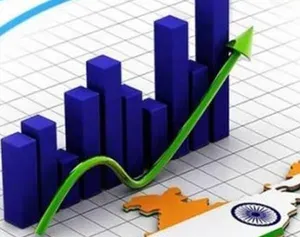
India's gold demand fell 6 per cent year-on-year to 131.4 tonnes in the April–June quarter of 2026, weighed by subdued seasonal appetite, elevated customs duty, and a notable shift in consumer sentiment, according to the World Gold Council (WGC)'s Q2 2026 Gold Demand Trends report released on 30 July. Total demand had stood at 139.7 tonnes in the same quarter last year.
Jewellery Demand Takes the Steepest Fall
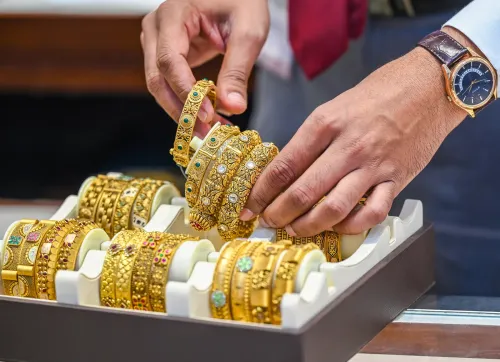
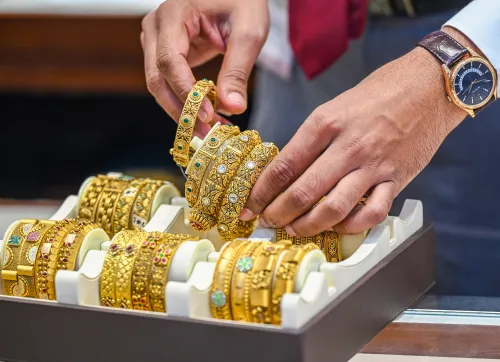
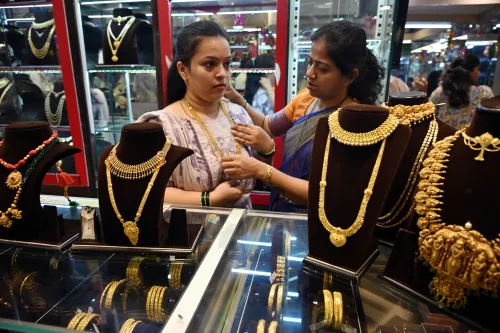
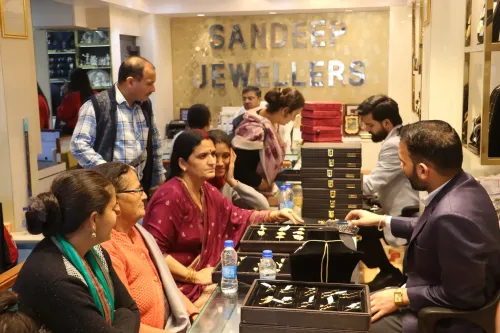
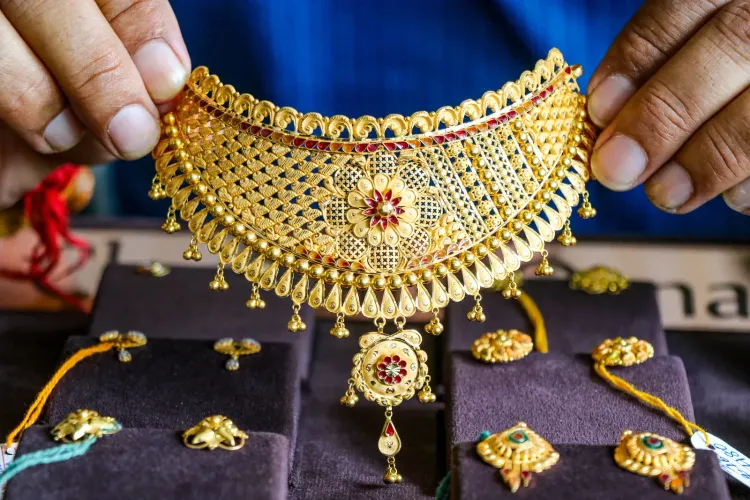
Jewellery consumption bore the sharpest decline, sliding 15 per cent year-on-year to 75.1 tonnes from 88.8 tonnes in Q2 2025. The drop reflects a combination of record-high gold prices, higher import costs, and a broader caution among buyers ahead of the festive season.
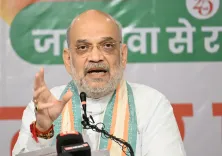
Notably, this decline follows Prime Minister Narendra Modi's public appeal in May 2026, urging citizens to avoid non-essential gold purchases for one year. 'I would appeal to people not to buy gold for weddings for one year,' Modi said, citing pressure on the country's foreign exchange reserves amid import costs driven by volatile crude oil prices and ongoing Middle East tensions.
Investment Demand Holds Steady
Despite the overall dip, investment demand remained resilient during the quarter — a divergence that analysts say reflects gold's enduring safe-haven appeal amid global uncertainty. Gold prices have held firm around the $4,080 mark, according to market observers, supported by escalating geopolitical risk in the Middle East even as the US Federal Reserve maintained its hawkish stance on rates.
'The steady resilience of gold around the $4,080 mark reflects a market balancing two powerful forces — a hawkish monetary policy and an escalating geopolitical risk in the Middle East leading to further uncertainties in the global economy,' an analyst noted.
US Fed and RBI Policy in Focus
On domestic exchanges, gold and silver prices slipped up to 1 per cent on MCX on Thursday, attributed to profit booking ahead of the US Fed's policy decision. The Fed's firm commitment to its 2 per cent inflation target, with no soft leeway, has created what analysts describe as a tough short-term macroeconomic backdrop for bullion.
'However, the commitment of the US Fed to a strict 2 per cent inflation target with no soft leeway creates a tough short-term macroeconomic backdrop for bullion,' a market expert said.
What to Watch Ahead
Market participants are closely tracking the Reserve Bank of India (RBI) Monetary Policy announcement due next week, alongside the US Fed's September decision. India's upcoming festive season — traditionally the strongest period for gold buying — and holiday demand in Western markets are expected to be key demand drivers in the second half of 2026.
'As we head into the festive season back home followed by the holiday season in the West, the RBI Monetary Policy next week along with the US Fed's decision in September and onwards, along with other developments at both a domestic and global level, will play a crucial role in defining the performance of the yellow metal, and ultimately, jewellery sales,' a market expert said.
Point of View
But the more telling signal is what didn't fall — investment demand. That split suggests Indian consumers are not souring on gold as an asset; they are simply responding to price levels and a rare public nudge from the Prime Minister. Modi's appeal to skip wedding gold purchases is unprecedented in recent memory, and its measurable impact on Q2 data raises a harder question: how much of this demand destruction is structural, and how much reverses the moment festive season arrives? With the RBI and US Fed both in play over the next two months, the second half of 2026 will be the real test of whether India's gold appetite has genuinely moderated or merely paused.
NationPress
14 Sept 2026
Frequently Asked Questions
How much did India's gold demand fall in Q2 2026?
India's gold demand declined 6 per cent year-on-year to 131.4 tonnes in the April–June quarter of 2026, compared to 139.7 tonnes in the same period last year, according to the World Gold Council's Q2 2026 Gold Demand Trends report.
Why did jewellery demand fall so sharply in Q2 2026?
Jewellery demand dropped 15 per cent to 75.1 tonnes, hit by subdued seasonal buying, higher customs duty, elevated gold prices, and PM Modi's public appeal in May 2026 urging citizens to avoid gold purchases for one year to protect foreign exchange reserves.
What did PM Modi say about gold purchases?
'I would appeal to people not to buy gold for weddings for one year,' Modi said in May 2026, citing rising import costs driven by volatile crude oil prices and ongoing Middle East tensions as pressures on India's foreign exchange reserves.
Why did gold prices dip on MCX on Thursday?
Gold and silver prices fell up to 1 per cent on MCX on Thursday due to profit booking ahead of the US Federal Reserve's policy decision. Analysts noted the Fed's firm commitment to a 2 per cent inflation target has created a tough short-term backdrop for bullion.
What factors will drive gold demand in the second half of 2026?
Analysts point to India's festive season, the RBI Monetary Policy announcement due next week, and the US Fed's September decision as the key near-term triggers. Western holiday-season demand and developments in Middle East geopolitics are also expected to influence the yellow metal's performance.