India-Morocco trade talks: Jitin Prasada to co-chair 7th Joint Commission in Rabat
Synopsis
India and Morocco are pushing beyond their traditional phosphate-and-petroleum trade axis. MoS Jitin Prasada's visit to Rabat for the 7th India-Morocco Joint Commission — with MoUs on food safety and a five-year cultural exchange programme on the table — signals a deliberate bid to build a multi-sector partnership worth far more than the current $4 billion in annual merchandise trade.
Key Takeaways
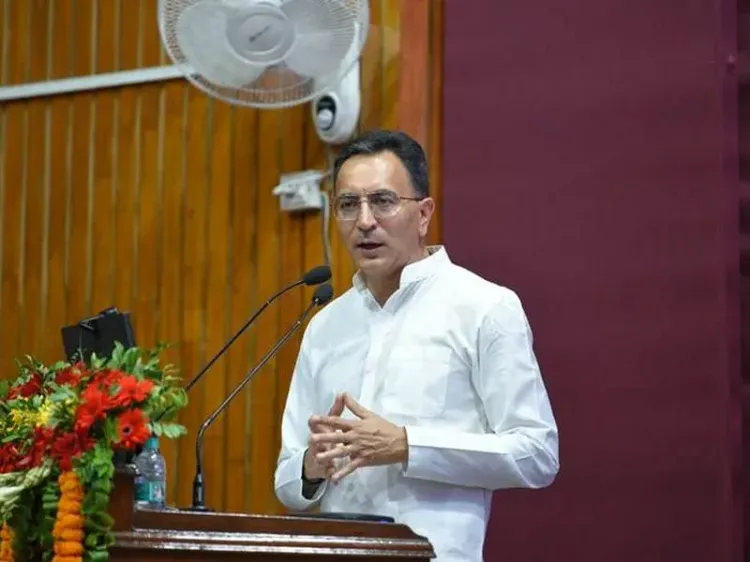
MoS Jitin Prasada is on an official visit to Morocco from 24 to 25 August to co-chair the 7th India-Morocco Joint Commission .
Bilateral merchandise trade between India and Morocco stood at approximately $4 billion in 2025 .
An MoU on food safety between FSSAI and Morocco's ONSSA is expected to be signed during the visit.
A Cultural Exchange Programme for 2026-2030 covering artists, festivals, and heritage institutions is also set for signing.
Talks will cover more than a dozen sectors including fertilisers , renewable energy , pharmaceuticals , AYUSH , and digital transformation .
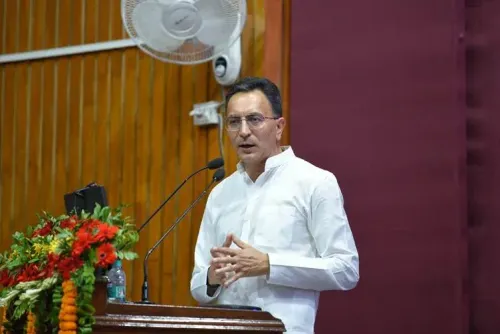
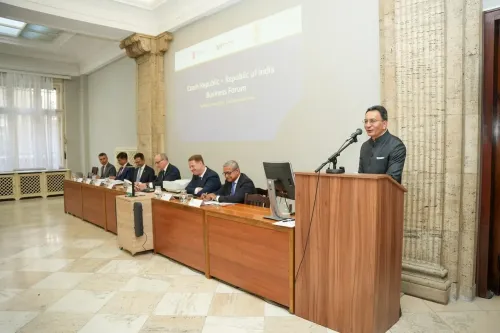
Prasada will also address the India-Morocco Joint Business Forum and meet business leaders in Rabat .
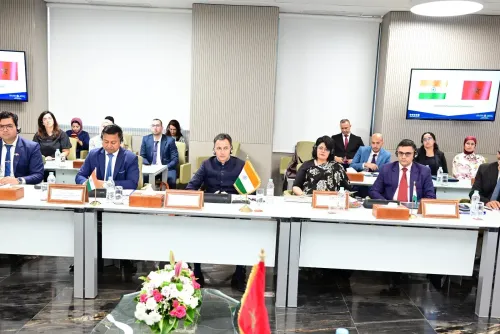
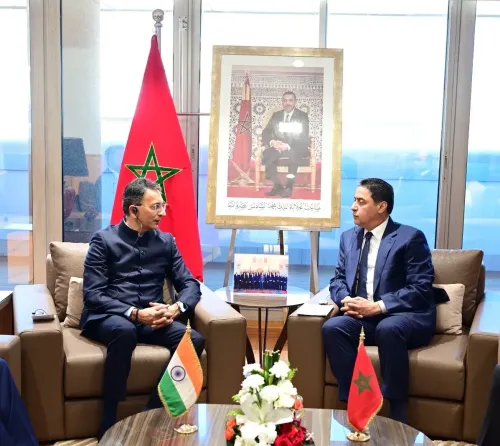
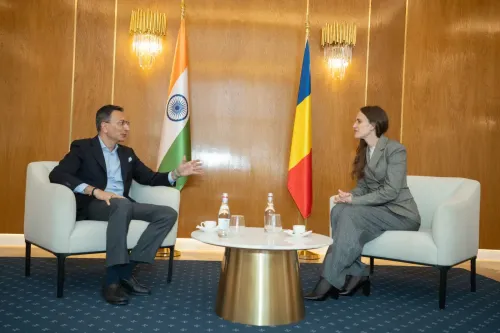
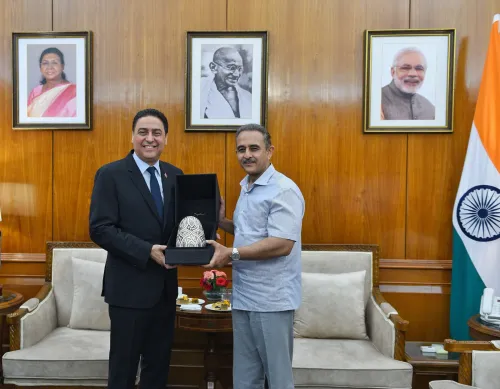
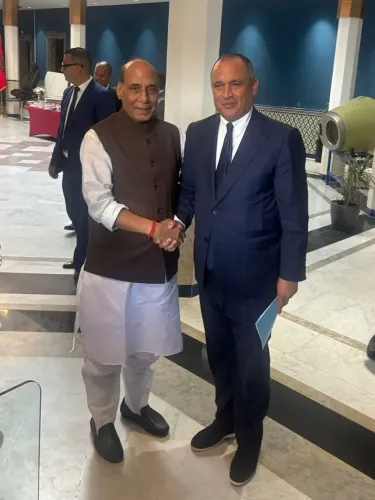
Minister of State for Commerce and Industry Jitin Prasada on Monday, 24 August said India and Morocco are actively working to diversify their bilateral trade basket, widen market access, and unlock fresh avenues for investment and industrial cooperation. Prasada is on an official two-day visit to Morocco from 24 to 25 August, where he will co-chair the 7th Session of the India-Morocco Joint Commission alongside Morocco's Secretary of State for Foreign Trade, Omar Hejira.
What the Joint Commission Will Cover
The commission meeting is set to review existing economic and commercial cooperation and chart a broader engagement roadmap. Discussions will span more than a dozen sectors, including trade and market access, fertiliser production and supply, investment, industrial cooperation, customs, agriculture and food safety, pharmaceuticals and healthcare, energy and mining, renewable energy, digital transformation, transport and logistics, AYUSH, tourism, and education and skills.
Key Agreements Expected to Be Signed
Two significant agreements are slated for signing during the session. The first is a Memorandum of Understanding on food safety between Morocco's National Office of Food Safety (ONSSA) and India's Food Safety and Standards Authority of India (FSSAI). The MoU will facilitate information exchange on food safety and quality standards, testing laboratories, analytical methods, and technical cooperation on import procedures, quality control, sampling, and labelling.
The second is a Cultural Exchange Programme for 2026-2030, which will promote exchanges of artists and professionals, participation in festivals and exhibitions, heritage conservation, and stronger institutional linkages between museums, libraries, and archival institutions of both nations.
State of Bilateral Trade
India and Morocco share longstanding diplomatic and commercial ties. Bilateral merchandise trade stood at approximately $4 billion in 2025. India's primary exports to Morocco include refined petroleum, pharmaceuticals, vehicles, synthetic textiles, food products, and spices. Morocco, in turn, exports phosphates and fertilisers to India — commodities of strategic importance given India's dependence on imported fertiliser inputs.
This is the 7th iteration of the Joint Commission, reflecting a sustained institutional commitment to deepening economic engagement. Notably, the breadth of sectors on the agenda this time — from renewable energy to AYUSH — signals an intent to move well beyond the traditional trade-and-phosphates axis that has historically defined the relationship.
Business Forum and High-Level Meetings
Beyond the Joint Commission, Prasada is scheduled to participate in the India-Morocco Joint Business Forum and hold bilateral meetings with senior Moroccan officials. He will also engage directly with business leaders in Rabat to explore trade partnerships and potential joint ventures, giving the visit both a governmental and a private-sector dimension.
With the two sides looking to formalise cooperation across food safety, culture, and multiple industrial sectors, the outcomes of this visit are expected to lay the groundwork for a more structured and diversified bilateral relationship in the years ahead.
Point of View
Digital transformation, and renewable energy sit alongside the traditional phosphate trade, suggesting both sides recognise that the old transactional model has a ceiling. Whether the MoUs and forum outcomes translate into measurable trade growth will depend on follow-through — a consistent weak point in India's bilateral commission diplomacy.
NationPress
8 Oct 2026
Frequently Asked Questions
What is the India-Morocco Joint Commission?
The India-Morocco Joint Commission is a bilateral institutional mechanism through which the two countries review and expand economic, commercial, and cultural cooperation. The 7th session is being held in Rabat on 24-25 August, co-chaired by MoS Jitin Prasada and Morocco's Secretary of State for Foreign Trade Omar Hejira.
What is the current level of India-Morocco bilateral trade?
Bilateral merchandise trade between India and Morocco stood at approximately $4 billion in 2025. India exports refined petroleum, pharmaceuticals, vehicles, and textiles to Morocco, while Morocco primarily exports phosphates and fertilisers to India.
What agreements are expected to be signed during Prasada's Morocco visit?
Two agreements are expected to be signed: an MoU on food safety between India's FSSAI and Morocco's ONSSA, and a Cultural Exchange Programme covering the period 2026-2030. The food safety MoU will facilitate cooperation on import standards, testing, and quality control.
Which sectors are on the agenda for the India-Morocco Joint Commission talks?
The talks cover more than a dozen sectors including trade and market access, fertiliser production, investment, industrial cooperation, agriculture and food safety, pharmaceuticals, energy and mining, renewable energy, digital transformation, AYUSH, tourism, and education and skills.
What is the significance of Prasada's visit for Indian businesses?
Beyond government-level talks, Prasada will participate in the India-Morocco Joint Business Forum and meet business leaders in Rabat to explore partnerships and joint ventures. This gives the visit a direct private-sector dimension aimed at translating diplomatic intent into commercial outcomes.