India ratifies WTO fisheries Phase 1, pushes for equity in Phase 2 talks
Synopsis
India has ratified Phase 1 of the WTO's fisheries subsidies agreement — but New Delhi is treating it as an opening move, not a concession. By locking in disciplines only on IUU fishing while ring-fencing fuel, gear and vessel subsidies for Phase 2, India is staking out a principled position: conservation yes, but not at the cost of millions of artisanal fishers who depend on the sea for survival.
Key Takeaways
India deposited its Instrument of Acceptance for WTO fisheries subsidies Phase 1 on 20 July 2026 .
Phase 1 targets IUU fishing , overfished stocks and unregulated high-seas fishing; fuel, gear and vessel subsidies are excluded.
India is demanding a 25-year transition period for developing countries within their EEZs in Phase 2 negotiations.
New Delhi insists subsidy disciplines use a per-fisher benchmark , not aggregate national comparisons.
Krishnan (ICAR–CIFE) and Dr P.
Krishnan (BOBP-IGO) stress conservation must not undercut equity for coastal communities.
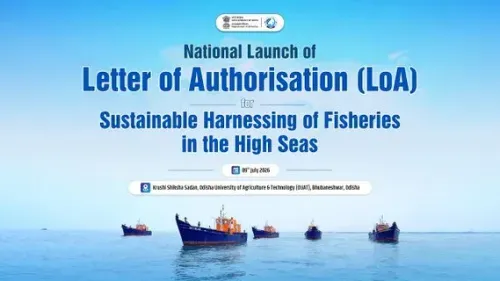
India's decision to ratify Phase 1 of the World Trade Organization's (WTO) Agreement on Fisheries Subsidies marks a calculated move to curb destructive fishing practices while safeguarding the livelihood rights of millions of small-scale and artisanal fishers, the Ministry of Fisheries, Animal Husbandry & Dairying said on 8 October 2026. India deposited its Instrument of Acceptance on 20 July 2026, formally joining the multilateral framework targeting illegal, unreported and unregulated (IUU) fishing.
What Phase 1 Covers
The ratified phase addresses three specific areas: IUU fishing, overfished stocks, and unregulated high-seas fishing. Crucially, the ministry was explicit about what falls outside its scope. According to the official statement, Phase 1 'does not cover the more difficult questions of overcapacity and overfishing, including subsidies for fuel, gear, ice, vessel construction and modernisation.' Those contested issues have been deferred to Phase 2 negotiations, where India continues to press for differentiated treatment.
India's Demands for Phase 2
New Delhi has made clear that ratifying Phase 1 does not dilute its negotiating stance in the next round. India is calling for a 25-year transition period for developing countries operating within their exclusive economic zones (EEZs) — a demand that reflects the scale and vulnerability of its coastal communities. The government also insists that subsidy disciplines should be measured using a per-fisher benchmark, rather than aggregate national comparisons that ignore vast disparities in fleet size, state capacity and financial support between rich and developing nations.
The Equity Argument
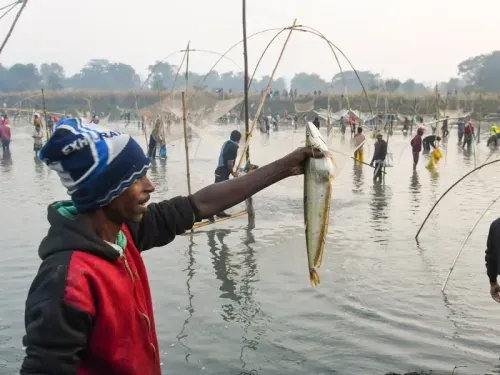
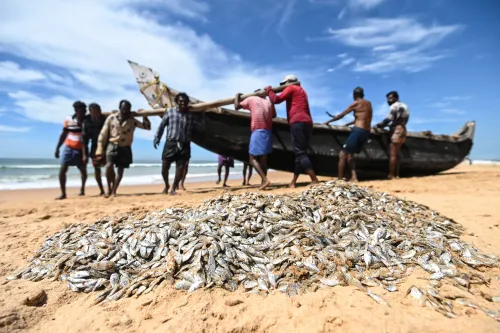
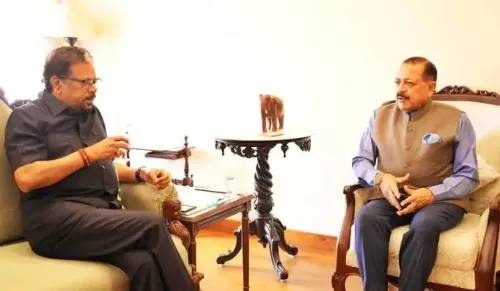
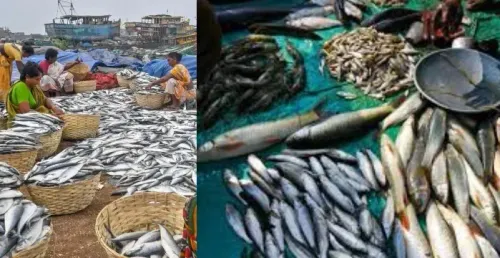
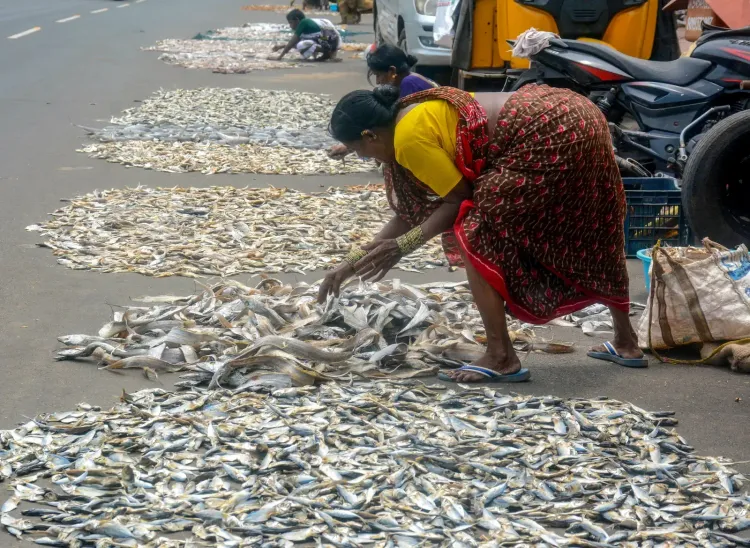
Experts cited in the ministerial statement — Dr M. Krishnan, former Principal Scientist & Head at ICAR–CIFE, and Dr P. Krishnan, Director of BOBP-IGO — underlined that the challenge for India is not conservation per se, but ensuring conservation does not come at the cost of equity. 'For India, the challenge is not whether to support conservation, but how to ensure that conservation does not come at the cost of equity,' the statement noted. Across the Bay of Bengal region, fisheries provide food security, employment and social stability for millions of small-scale fishers — not merely an economic activity but a way of life.
Broader Context and What's Next
India's phased approach echoes the position held by several developing-country blocs at the WTO, which argue that existing multilateral subsidy frameworks were designed with industrialised fishing nations in mind and fail to account for small-scale, artisanal realities. The ministry described India's stance as 'principled and practical,' signalling that New Delhi will resist any Phase 2 framework that does not build in meaningful flexibility for developing coastal economies. With Phase 2 negotiations ongoing, India's ratification of Phase 1 is both a gesture of good faith to the multilateral process and a strategic platform from which to push harder for fair terms in the rounds ahead.
Point of View
Gear, vessel construction — that matter most to its artisanal fishing communities. The real test will come in Phase 2, where the 25-year transition demand and the per-fisher benchmark will collide with pressure from industrialised fishing nations to apply uniform disciplines. Developing countries have historically struggled to hold differentiated treatment gains in WTO endgames, and India's leverage will depend on coalition-building across the Bay of Bengal and Indian Ocean rim. The equity framing is compelling, but framing alone has rarely moved Geneva negotiating rooms.
NationPress
8 Oct 2026
Frequently Asked Questions
What is the WTO Agreement on Fisheries Subsidies that India has ratified?
The WTO Agreement on Fisheries Subsidies is a multilateral deal aimed at curbing subsidies that contribute to harmful fishing practices. India ratified Phase 1 on 20 July 2026, covering IUU fishing, overfished stocks and unregulated high-seas fishing, while deferring subsidies for fuel, gear, ice and vessel construction to Phase 2 negotiations.
Why did India ratify only Phase 1 and not the full agreement?
Phase 1 addresses the most widely agreed-upon harms — IUU fishing and overfished stocks — while Phase 2 covers contested areas like overcapacity subsidies that directly affect India's small-scale and artisanal fishers. India chose to ratify Phase 1 as a pragmatic step while preserving its negotiating position on the more sensitive Phase 2 issues.
What is India demanding in WTO fisheries Phase 2 negotiations?
India is calling for a 25-year transition period for developing countries operating within their exclusive economic zones, and for subsidy disciplines to be assessed using a per-fisher benchmark rather than aggregate national totals. These demands are designed to protect the livelihoods of millions of artisanal and coastal fishers.
Who are the experts cited in India's fisheries subsidies statement?
The ministry cited Dr M. Krishnan, former Principal Scientist and Head at ICAR–CIFE, and Dr P. Krishnan, Director of BOBP-IGO, both of whom stressed that multilateral subsidy disciplines must account for the realities of artisanal and small-scale fishing in developing countries.
How does India's WTO fisheries ratification affect small-scale fishers?
Phase 1 ratification does not immediately restrict subsidies like fuel support or vessel grants that small-scale fishers rely on — those are Phase 2 issues. India has explicitly stated that its ratification does not weaken its demand for flexible, differentiated treatment for coastal communities in the next round of negotiations.