Trump's Tariff Tactics: How India Remained Unyielding on Russian Oil
Synopsis
Amid tariff threats from the US, India remains resolute in its energy policies. A recent IIM Udaipur study reveals how India's commitment to energy security and national interest prevailed against external pressure, highlighting a shift in global dynamics under PM Modi's leadership.
Key Takeaways
India's energy security is paramount, influencing its international policies.
Trump's tariff threats were ineffective in altering India's stance.
Tariffs can harm both the imposing and targeted nations.
India under PM Modi is redefining its approach to global diplomacy.
Strategic autonomy is a cornerstone of India's foreign policy.
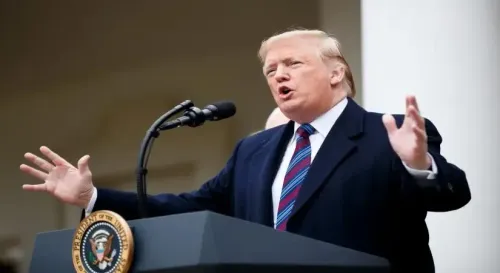
New Delhi, March 17 (NationPress) It appears that US President Donald Trump underestimated India's resilience, as revealed in a recent study by a professor from IIM Udaipur. The research, conducted by Professor Kunal Kamal Kumar and featured in Third World Quarterly, examines the friction between the US and India over Russian oil in 2025, concluding that Trump's tariff threats did not achieve their intended effect.
The study indicates that the US aimed to coerce India into altering its stance on Russian oil by imposing hefty tariffs on Indian imports. However, India regarded this issue as far more significant than a mere diplomatic matter. For New Delhi, it was fundamentally about energy security, economic stability, and national interest. Access to cheaper crude oil is not just a foreign policy concern; it has direct implications for inflation, transportation, industry, and the daily lives of citizens.
Thus, the professor argues that India's position is firmly grounded in its need for sovereignty, energy security, and strategic autonomy. In simpler terms, the message was unequivocal: decisions regarding India's energy requirements will be made in Delhi, not under external pressure from Washington.
This context highlights the role of the Narendra Modi administration. The paper notes that PM Modi's steadfastness aligns with India's broader approach to strategic autonomy. Essentially, under Modi, India aims to engage with all major global powers but will not compromise its interests due to pressure from any nation.
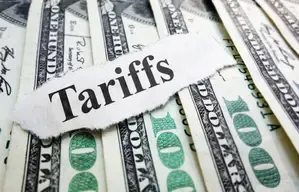
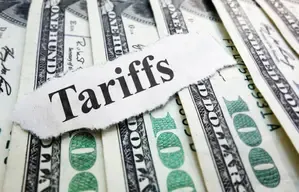
Moreover, the research presents a crucial economic insight. Tariffs are often seen as punitive measures against the opposing side, yet they can also backfire on the imposing country. For instance, when the US levies tariffs on Indian goods, American importers face higher costs, supply chains are disrupted, prices escalate, and consumers bear the consequences. Therefore, tariffs do not function as a magic weapon solely affecting India; they can adversely impact the US as well.
The study classifies tariff threats as a blunt instrument. They generate noise and exert pressure, but do not always lead to capitulation. In fact, they can sometimes have the opposite effect, strengthening the resolve of the pressured entity, redirecting trade flows, and encouraging the pressured nation to become more self-reliant.
The professor emphasizes that this disagreement extends beyond oil; it reflects a shifting global landscape. Nations like India are increasingly reluctant to passively accept Western pressure when their essential interests are at stake. The historical practice of employing economic force to enforce compliance is proving less effective.
From a pragmatic standpoint, India's policy is to prioritize its crude imports. Any government in Delhi must first consider affordable supply, domestic stability, and the national economy. Viewed through this lens, purchasing discounted oil is not an imprudent decision; it is a calculated move made in India's best interest.
This analysis is significant as it underscores that Trump's coercive tactics have limitations, that tariff disputes can inflict damage on both parties, and that India's stance is deeply rooted in its national interests.
The ultimate takeaway is clear: Trump attempted to leverage tariff pressures to compel India into compliance, but India stood firm. According to this study, this defiance was not merely a symbolic act; it is indicative of a larger transformation in India's global engagement strategy under PM Modi: to collaborate with all, safeguard national interests, and uphold sovereignty and energy security.
Point of View
Revealing India's steadfastness in the face of external pressure. This situation reflects a broader shift in international relations where nations prioritize their sovereignty and national interests over compliance with dominant powers. It signals a new era of pragmatism in India's foreign policy.
NationPress
7 Oct 2026
Frequently Asked Questions
What was the main conclusion of the IIM Udaipur study?
The study concluded that Trump's tariff pressures failed to compel India to change its Russian oil policy, highlighting India's commitment to energy security and national interests.
How did India respond to the US tariffs?
India maintained its policy on Russian oil, viewing it as critical to its energy security and economic stability, unaffected by external pressure.
What are the implications of tariff threats according to the study?
The study suggests that tariff threats can hurt both the imposing country and the targeted nation, disrupting supply chains and affecting consumers.
How does this situation reflect India's foreign policy under PM Modi?
It reflects a commitment to strategic autonomy, showing that India will engage with global powers without compromising its national interests.
What does this analysis signify for global relations?
It indicates a shift where countries like India are less willing to yield to external pressures, prioritizing their core interests instead.