China solar expansion is cutting bird diversity, study finds
Synopsis
A study in peer-reviewed journal Science finds China's solar boom is fragmenting bird habitat and cutting species diversity — and a rise in vegetation cover is masking the damage, researchers warn.
Key Takeaways
China 's solar expansion policies have caused a measurable reduction in bird species diversity, according to a study published in Science on 21 August 2026 .
Wealthier and non-desert regions of China are bearing the greatest burden of bird species loss linked to photovoltaic development.
Researchers from the Nanjing University of Information Science and Technology , Vietnam , and the US co-authored the findings.
The team identified 'inferior greening' — increased leaf area that does not improve wildlife habitat — as a misleading ecological signal in solar zones.
The study calls for 'strict biodiversity safeguards' and spatial planning to accompany future photovoltaic development, particularly in ecologically complex regions.
The research draws on data from the China Birdwatching Record Centre and references programmes including the Three North Shelterbelt Programme .
A peer-reviewed international study published in the journal Science on Friday, 21 August 2026 has found that China's rapid solar energy expansion is reducing bird species diversity, with wealthier and non-desert regions absorbing the steepest losses. The research was led by scientists from the Nanjing University of Information Science and Technology, with collaborators from Vietnam and the United States.
What the research found
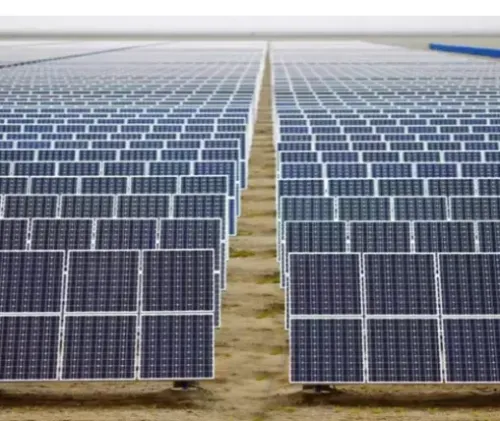
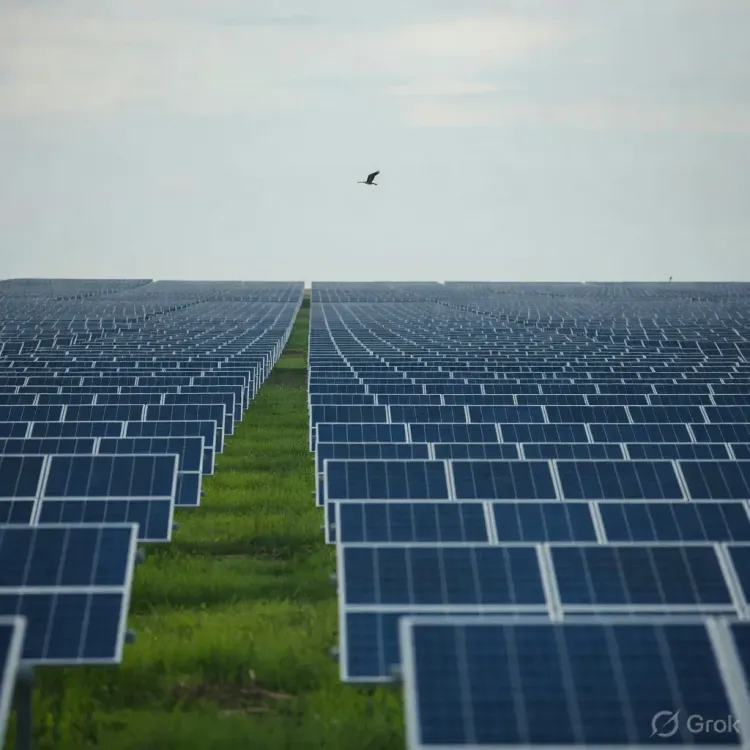
Researchers determined that the spread of photovoltaic infrastructure has encroached on birds' foraging and breeding grounds, leaving remaining habitat more fragmented. The study draws on diversity metrics including the Shannon Index and data from sources such as the China Birdwatching Record Centre, placing the findings on a statistically robust footing.
The team also identified a phenomenon they termed 'inferior greening' — a measurable increase in leaf area that does not translate into improved wildlife habitat quality. This finding challenges a common assumption that vegetation growth in solar zones signals ecological recovery.
The green dilemma at the heart of clean energy
'Our findings highlight a critical green dilemma: without meticulous spatial planning, policy-driven solar expansion can inadvertently compromise local biodiversity,' the research team stated in the paper. The tension pits China's carbon-reduction commitments directly against biodiversity conservation obligations under international frameworks.
The study specifically flags economically developed, habitat-rich regions as most at risk, a finding that complicates the narrative that solar farms are best sited away from productive agricultural or forested land. China's large-scale afforestation initiatives, including the Three North Shelterbelt Programme — also known as the Great Green Wall — were examined as part of the broader ecological context.
Call for biodiversity safeguards in solar policy
'We argue that future photovoltaic development should be accompanied by strict biodiversity safeguards, especially in economically developed regions with high habitat complexity,' the team said. The researchers stopped short of opposing solar expansion but called for what they described as 'meticulous spatial planning' to prevent inadvertent ecological harm.
'Our investigation of this mechanism calls for a rethinking of what constitutes ecological health in the context of renewable energy expansion,' the paper added, suggesting current greening metrics may be misleading policymakers.
Why it matters
The findings arrive as governments worldwide accelerate photovoltaic deployment to meet net-zero targets, often with limited mandatory biodiversity impact assessments. China is the world's largest installer of solar capacity, making the policy implications of this research significant well beyond its borders. Institutions including Peking University have been linked to the broader research network examining these ecological trade-offs.
What's next
The research team's call for 'strict biodiversity safeguards' is likely to feed into ongoing debates at both national and international environmental policy forums. Regulators and renewable energy developers in high-biodiversity regions globally will be watching whether China incorporates ecological zoning requirements into its next round of solar expansion approvals.
Point of View
Implicitly or explicitly, to signal ecological health in solar corridors, when the on-the-ground biodiversity picture is deteriorating. For China specifically, this creates a policy contradiction that is hard to paper over — the same state apparatus driving the world's largest solar build-out also has international commitments under the Kunming-Montreal Global Biodiversity Framework. The real exposure sits with provincial governments in economically developed regions, where land-use decisions are made quickly and biodiversity impact assessments remain thin.
NationPress
5 Oct 2026
Frequently Asked Questions
How does China's solar expansion affect birds?
China's solar expansion is reducing bird species diversity by eating into foraging and breeding grounds and fragmenting remaining habitat, according to a study published in the journal Science on 21 August 2026. The research found that wealthier, non-desert regions of China are experiencing the steepest species losses.
Who conducted the solar panel bird diversity study?
The study was led by researchers at the Nanjing University of Information Science and Technology, with collaborators from Vietnam and the United States. Data from the China Birdwatching Record Centre was among the sources used to measure changes in bird diversity.
What is 'inferior greening' and why does it matter?
'Inferior greening' is a term used by the researchers to describe an increase in leaf area around solar installations that does not correspond to improved wildlife habitat quality. The team warned this pattern could mislead policymakers into assuming ecological health is improving when bird diversity is actually declining.
What do the researchers recommend for future solar development?
The research team called for 'strict biodiversity safeguards' and meticulous spatial planning to accompany future photovoltaic development, especially in economically developed regions with high habitat complexity. They argued that policy-driven solar expansion, without such planning, can inadvertently harm local biodiversity.
Does this finding apply only to China or globally?
While the study focuses on China — the world's largest installer of solar capacity — the researchers' call for biodiversity safeguards in renewable energy policy has clear implications for solar expansion programmes worldwide. Countries accelerating photovoltaic deployment in biodiverse regions face similar trade-offs.