Are India-Taiwan Relations Transitioning to a Structured Partnership?
Synopsis
The evolving dynamics between India and Taiwan are heralding a new era of structured partnership that transcends commercial ties, focusing on technology, labour mobility, and supply chains. This shift reflects a broader strategic vision that enhances resilience against geopolitical uncertainties.
Key Takeaways
India-Taiwan relations are transitioning from cautious to structured partnerships.
Key focus areas include technology, labour mobility, and supply chains.
Strategic alignment of India’s Act East Policy with Taiwan’s New Southbound Policy is vital.
Significant agreements, like the Talented Labour Agreement, signal deeper integration.
Engagement continues despite regional sensitivities.
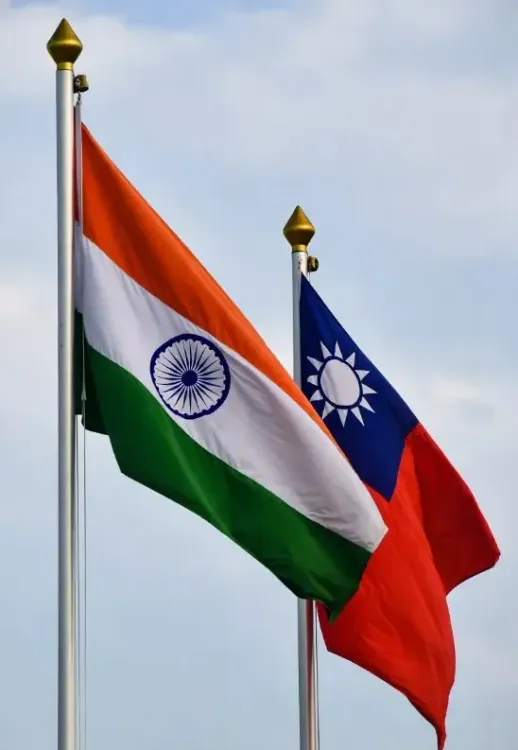
New Delhi, Feb 11 (NationPress) The relationship between India and Taiwan is maturing from a cautious commercial interaction into a well-defined partnership encompassing technology, labour mobility, and supply chains.
India has identified Taiwan as a pivotal ally in its industrial evolution and in managing geopolitical supply chain vulnerabilities by aligning its Act East Policy with Taiwan’s New Southbound Policy. Consequently, India's approach towards Taiwan is increasingly driven by technological security, supply chain resilience, and strategic imperatives in the Indo-Pacific, rather than being solely dictated by its relationship with China, as reported by the Taiwan-based Organisation for Research on China and Asia.
Previously, New Delhi’s interactions with Taipei were characterized by a careful balancing act, often constrained by territorial sensitivities with Beijing and a reactive stance on cross-strait issues,” the article mentions.
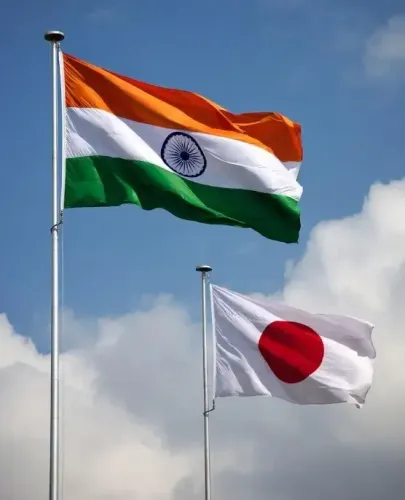
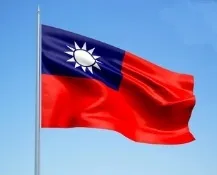
However, the transition from a cautious and primarily commercial relationship to a structured partnership that includes technology, labour mobility, education, and supply chains is broadening India’s strategic reach. By strategically aligning India’s Act East Policy (AEP) with Taiwan’s New Southbound Policy (NSP), India increasingly regards Taiwan as a capability provider capable of facilitating domestic industrial transformation and mitigating exposure to geopolitical supply disruptions.
India's policy towards Taiwan is no longer merely a reflection of its calculations regarding China; it is increasingly influenced by technological security, supply chain resilience, and strategic dynamics in Indo-Pacific geopolitics.
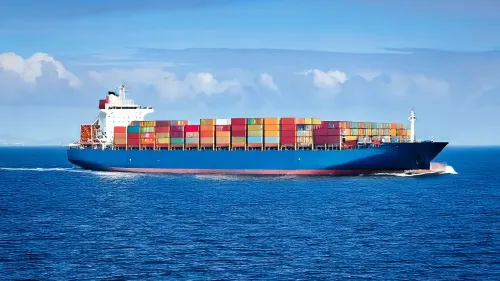
The synergy between Taiwan’s technological proficiency and India’s market potential contributes to the establishment of a more resilient regional economic framework, which is less vulnerable to China’s dominance in supply chains, the article observes.
The signing of the Talented Labour Agreement between the Taipei Economic and Cultural Center (TECC) and the Mizoram government in January 2026 signifies that the India-Taiwan partnership has advanced beyond mere economic dialogue into deeper structural integration.
The inauguration of the third TECC in Mumbai in 2024 represents a carefully measured expansion of engagement, despite Beijing’s concerns regarding Taiwan. India has consistently maintained that its policy on Taiwan is clear and consistent.
In a similar vein, various dialogues between India and Taiwan aim to facilitate Taiwan’s involvement in non-sensitive strategic fields without crossing into formal security cooperation. These discussions aim to tackle broader challenges in the Indo-Pacific, with a focus on maritime governance, cybersecurity, and supply chain resilience.
From an Indo-Pacific standpoint, these dialogues reinforce Taiwan’s position as a de facto economic partner and a functional stakeholder. By enhancing collaboration in non-sensitive yet strategically important areas, it enables regional players to construct a resilient, rules-based order that safeguards maritime resources and high-tech ecosystems without necessitating immediate formal diplomatic shifts, the article concludes.
Point of View
It is essential to view the evolving partnership between India and Taiwan not just through the lens of geopolitical strategy but also as a step towards a more interconnected economic framework that prioritizes resilience and collaboration in the face of global challenges.
NationPress
19 Sept 2026
Frequently Asked Questions
What is the significance of the India-Taiwan partnership?
The partnership signifies a strategic shift towards technological collaboration, enabling India to bolster its industrial transformation while reducing risks associated with geopolitical supply chain disruptions.
How does the Act East Policy relate to Taiwan?
India’s Act East Policy aims to strengthen ties with Southeast Asian nations, and aligning it with Taiwan’s New Southbound Policy amplifies India's strategic outreach in the Indo-Pacific.
What are the recent developments in India-Taiwan relations?
Recent developments include the signing of the Talented Labour Agreement and the establishment of a new Taipei Economic and Cultural Center in Mumbai, indicating deeper structural integration.
What challenges does India face in its relationship with Taiwan?
India must navigate its relationship with Taiwan carefully, particularly due to its sensitivities with China, ensuring its policy remains clear and consistent.
What areas are being focused on in India-Taiwan dialogues?
Discussions between India and Taiwan focus on non-sensitive strategic domains such as maritime governance, cybersecurity, and supply chain resilience.