How will the India-US trade deal strengthen livelihoods and improve conditions for farmers?

Synopsis
Farmers across India are optimistic about the newly announced India-US trade deal, which promises to reduce tariffs and enhance economic ties. This agreement is anticipated to bolster farmers' livelihoods and uplift rural conditions significantly.
Key Takeaways
New India-US trade framework aims to reduce tariffs.
Farmers express optimism regarding benefits to livelihoods.
Agreement includes commitments to purchase US goods.
Agriculture remains a sensitive sector for both countries.
Reduction in tariffs on various agricultural products .
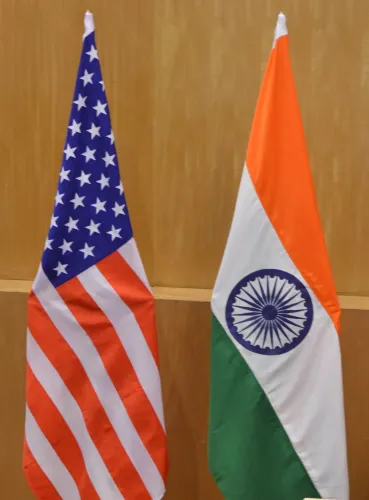
New Delhi, Feb 7 (NationPress) In a significant development, the United States and India have launched an interim trade framework designed to decrease tariffs and bolster economic relations. Farmers nationwide expressed their approval on Saturday, asserting that this agreement will be advantageous for the agricultural sector. They believe this deal could enhance farmers’ livelihoods and elevate conditions in rural communities.
IANS reached out to farmers located in Gujarat, Uttar Pradesh, and Rajasthan, who conveyed their hope regarding the potential effects of the trade framework on Indian agriculture, exports, and local produce.
In Jamnagar, Gujarat, one farmer remarked, “I am confident that the recently established trade agreement will greatly benefit farmers. In Saurashtra, we produce a variety of spices such as cumin and carom seeds. This trade deal is expected to offer substantial benefits to farmers.”
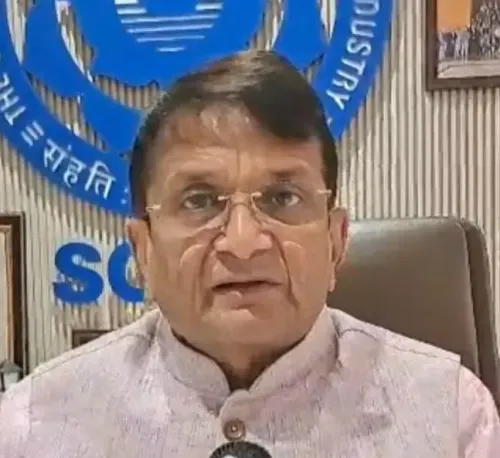
In Farrukhabad, Uttar Pradesh, Bharatiya Kisan Union (Mahatma Tikait) National Vice President Prabhakar Mishra endorsed the government’s initiative, stating that the decision is made in favor of Indian farmers.
“We commend the government’s actions. Whether it’s dairy or other sectors, Prime Minister Modi and his administration's decisions are entirely appropriate. All that is Indian will function from Indian platforms, benefiting our farmers,” he declared.
Another farmer from Farrukhabad noted that this agreement would stimulate village economies.
“The government’s initiatives will bolster our farmers’ livelihoods and enhance conditions in our villages,” he stated.
In Chomu, Rajasthan, farmers remarked that the agreement signifies the government’s resolute stance on trade and tariffs. One farmer mentioned, “Former President Trump had levied a 50% tariff on Indian goods, but PM Modi stood firm. The recent agreement has duly considered farmers' interests.”
Another farmer from Chomu emphasized, “In the trade agreement between the United States and India, the Modi government has ensured that the interests of Indian farmers are well-protected.”
The interim trade framework was revealed amidst US President Donald Trump’s advocacy for reciprocal trade and Prime Minister Modi’s focus on the ‘Make in India’ initiative. This agreement comes after several months of negotiations that gained traction following the US imposing increased tariffs on Indian goods linked to India’s oil purchases from Russia.
As part of this deal, India has pledged to reduce or eliminate tariffs on various US industrial and agricultural products, while the US will lower its tariffs on Indian exports from 50% to 18%, starting February 7, 2026.
India is also committed to purchasing up to $500 billion worth of US goods over the next five years, encompassing energy, technology, and agricultural products.
Agriculture, a sensitive issue for both nations, plays a vital role in this framework. The US, a major agricultural exporter, has been striving to rectify its trade deficit with India, which amounted to $1.3 billion in 2024.
In India, agriculture continues to sustain nearly half of the population, contributing about 16% to the GDP. To safeguard smallholders, India has reportedly ring-fenced crucial products while permitting market access in certain segments.
As part of the interim agreement, India will eliminate or reduce tariffs on US food and agricultural products, including dried distillers’ grains, red sorghum for animal feed, tree nuts such as almonds, walnuts, and pistachios, fresh and processed fruits like apples and pears, soybean oil, wine, and spirits.
Point of View
This trade agreement reflects a strategic move by both nations to strengthen economic ties while addressing farmers' concerns. With agriculture being a cornerstone of India's economy, this framework aims to create a more favorable market environment for local farmers, ensuring their interests remain protected amidst global trade dynamics.
NationPress
16 Oct 2026
Frequently Asked Questions
What is the significance of the India-US trade deal?
The India-US trade deal aims to reduce tariffs and enhance economic relations, benefiting farmers and the agricultural sector.
How will this trade deal impact farmers in India?
Farmers believe this agreement will strengthen their livelihoods and improve conditions in rural areas.
What products will see reduced tariffs under this agreement?
The agreement will reduce tariffs on various US industrial and agricultural products, including food items.
What is India's commitment to US goods under this deal?
India has committed to procuring up to $500 billion in US goods over the next five years.
How does this agreement affect India's agricultural exports?
The deal aims to improve market access for Indian agricultural exports while addressing the US trade deficit.