Is Indian Railways Utilizing 898 MW of Solar Power Across 2,626 Stations?
Synopsis
Indian Railways has made a groundbreaking leap in solar energy utilization, commissioning 898 MW by November, significantly enhancing sustainability. With 2,626 stations currently powered by solar energy, this initiative demonstrates a strong commitment to reducing energy costs and achieving Net Zero Carbon Emissions by 2030.
Key Takeaways
Indian Railways has commissioned 898 MW of solar energy.
Currently, 2,626 stations are powered by solar energy.
The solar initiative reduces energy costs and supports cleaner operations .
Indian Railways aims for Net Zero Carbon Emissions by 2030.
The adoption of solar power has expanded by 244 times since 2014.
New Delhi, Dec 17 (NationPress) Indian Railways has reached a significant milestone in its journey toward clean energy, having commissioned 898 MW of solar power for its operations by November this year. This represents an impressive increase from a mere 3.68 MW in 2014, demonstrating an expansion of nearly 244 times in less than a decade.
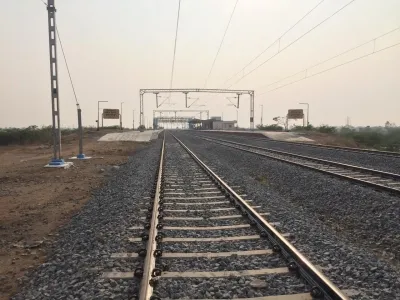
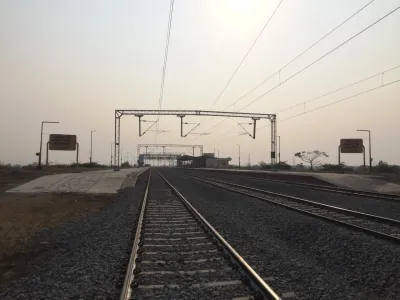
Currently, 2,626 railway stations are harnessing solar energy, contributing to a reduction in energy costs, as noted by the Railway Ministry.
This widespread adoption is facilitating a notable transition toward cleaner and more sustainable railway operations across the nation.
“The momentum has accelerated in the current financial year, with 318 new stations added to the solar grid by November. Consequently, the total number of solar-powered railway stations has reached 2,626,” the ministry stated.
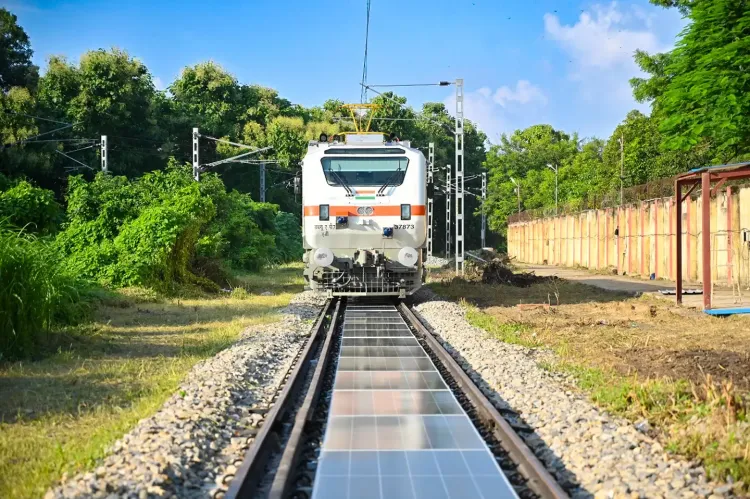
Out of the total commissioned capacity, 629 MW is allocated for traction purposes, directly supporting electric train operations, while the remaining 269 MW caters to non-traction necessities such as station lighting, workshops, service buildings, and railway quarters.
This balanced approach to solar energy usage reduces reliance on traditional energy sources, thereby enhancing the overall efficiency of railway operations.
According to the ministry, solar installations at stations, buildings, and railway land are effectively addressing the growing energy requirements of Indian Railways.
“These initiatives promote energy security while aligning with decarbonisation objectives. They reaffirm Indian Railways’ commitment to achieving Net Zero Carbon Emissions by 2030,” the government reported.
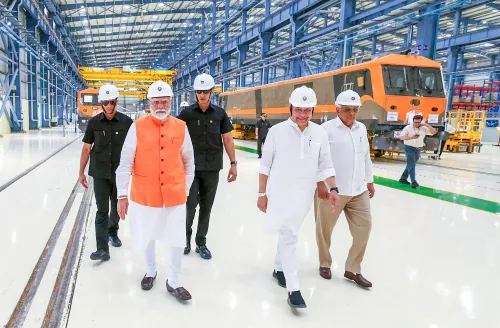
In related news, Indian Railways' Vande Bharat Express has transformed rail travel in India since its inception in February 2019.
Currently, 164 world-class Vande Bharat services connect major cities nationwide, offering quicker, safer, and more comfortable journeys. The popularity of the Vande Bharat Express is evident, with over 7.5 crore passengers experiencing this cutting-edge train since 2019.
Point of View
I view this development as a pivotal moment for Indian Railways and a significant step towards sustainability. The substantial growth in solar energy adoption not only showcases India's commitment to clean energy but also sets a benchmark for other sectors to follow. The nation's progress in reducing carbon emissions is commendable and deserving of attention.
NationPress
2 Oct 2026
Frequently Asked Questions
How much solar power has Indian Railways commissioned?
Indian Railways has commissioned 898 MW of solar power by November this year.
How many railway stations are utilizing solar power?
Currently, 2,626 railway stations are utilizing solar power.
What is the significance of the solar power initiative?
This initiative significantly reduces energy costs and supports cleaner railway operations, contributing to India's decarbonisation goals.
What is the goal for Net Zero Carbon Emissions?
Indian Railways aims to achieve Net Zero Carbon Emissions by 2030.
What impact does the solar power initiative have on railway operations?
The balanced use of solar energy enhances the efficiency of railway operations while reducing dependence on conventional energy sources.