Owaisi flags powerloom crisis, urges Giriraj Singh to act
Synopsis
AIMIM president Asaduddin Owaisi on 16 November 2026 declared India's powerloom industry is 'being destroyed' and called on Union Minister Giriraj Singh to take immediate notice, spotlighting distress in a decentralised sector employing millions of informal workers.
Key Takeaways
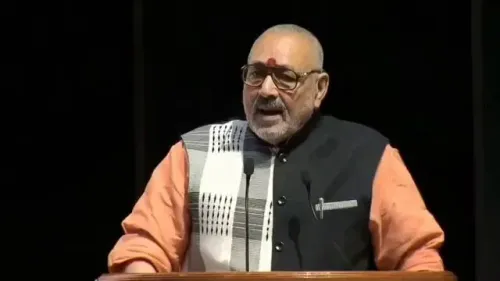
AIMIM president Asaduddin Owaisi posted on 16 November 2026 that India's powerloom industry is 'being destroyed.' He specifically tagged Union Minister Giriraj Singh , demanding ministerial attention.
The powerloom sector is concentrated in clusters across Maharashtra, Tamil Nadu and Gujarat , employing a largely informal workforce.
The Technology Upgradation Fund Scheme (TUFS) , launched in 1999 , provides modernisation subsidies to the sector but critics say its reach is inadequate.
Yarn price volatility, power tariffs and import competition are recurring pressure points for small powerloom operators.
The Ministry of Textiles faces pressure to respond with concrete data on cluster-level distress and subsidy disbursement.
India's powerloom sector — a sprawling, decentralised web of looms that clothes millions and employs millions more — is 'being destroyed,' warned AIMIM president Asaduddin Owaisi in a sharp post on X on Monday, 16 November 2026, directing his alarm squarely at Union Minister Giriraj Singh.
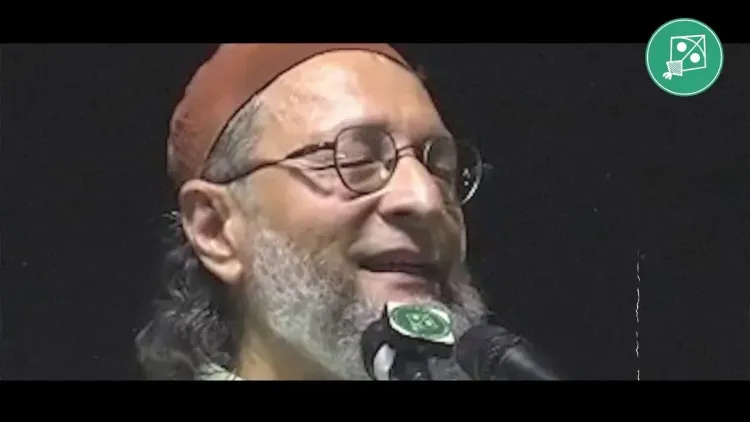
Posting in Hindi, Owaisi wrote: 'Powerloom Industry बर्बाद हो रही है' — 'The Powerloom Industry is being destroyed' — and demanded that Singh 'needs to pay attention to this.' The post carried a video, the contents of which could not be independently verified, but the message was unambiguous: a sector employing a vast, largely informal workforce is in distress, and the minister responsible needs to hear it.
The industry behind India's everyday fabric
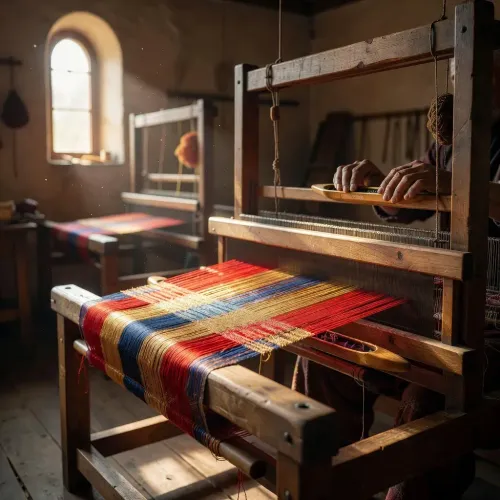
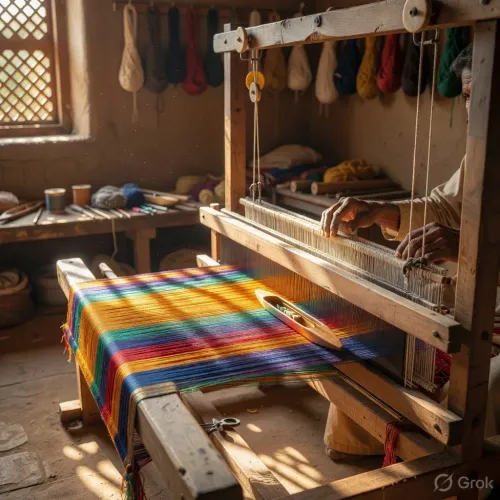
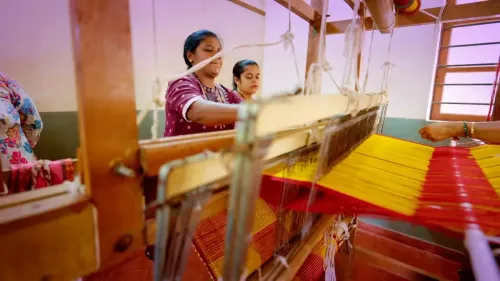
The powerloom sector sits at the heart of India's decentralised textile economy. Clusters in Maharashtra (Bhiwandi, Ichalkaranji), Tamil Nadu (Erode, Salem) and Gujarat (Surat) run millions of looms, producing a significant share of the country's woven fabric outside the organised mill industry. The workforce is predominantly informal — small operators, contract weavers, migrant workers — which makes it acutely sensitive to yarn price swings, power tariff hikes and cheaper import competition. When margins compress, these workers absorb the full shock with no safety net.A scheme designed to help — and the gap that remains
The central government's Technology Upgradation Fund Scheme (TUFS), launched in 1999 and revised multiple times since, was specifically designed to subsidise modernisation of powerloom and textile units, reducing per-unit costs and improving competitiveness. But opposition leaders — and industry associations — have repeatedly argued that the scheme's reach has not matched the scale of the sector's structural vulnerabilities. Yarn price volatility alone can wipe out small operators before any subsidy disburses. Owaisi, whose Hyderabad constituency has a historic weaving tradition, has consistently raised concerns about economic distress among small-industry workers and minority community artisans. His intervention fits a broader pattern: opposition MPs periodically spotlight powerloom distress in Parliament and on social media, forcing the Ministry of Textiles onto the record.What Giriraj Singh's ministry needs to answer
The ball is now in the Ministry of Textiles' court. The question is specific: is the government monitoring cluster-level distress indicators in real time, and are TUFS disbursements actually reaching the smallest operators? A sector that provides livelihoods at the base of the textile pyramid does not have the luxury of waiting for the next policy cycle. If the ministry stays silent, the political cost is a gift to the opposition. If it responds with data and a credible plan, it reclaims the narrative. Either way, Owaisi has put a spotlight on a quiet crisis — and now the minister has to choose how to handle the heat.Point of View
But structural distress from yarn price volatility and import competition has persisted regardless of scheme design. By naming a specific minister rather than the government broadly, Owaisi sharpens accountability and makes it harder to deflect with a generic ministry statement. The post fits a wider opposition pattern of using social media to surface informal-sector grievances that rarely generate sustained prime-time attention. The ministry's response — or silence — will determine whether this remains a one-day story or escalates into a parliamentary flashpoint.
NationPress
16 Nov 2026
Frequently Asked Questions
What did Asaduddin Owaisi say about the powerloom industry?
On 16 November 2026 , Owaisi posted that the powerloom industry 'is being destroyed' and demanded that Union Minister Giriraj Singh pay urgent attention to the sector's crisis.
Why is India's powerloom industry facing problems?
India's powerloom sector faces recurring stress from yarn price volatility, high power tariffs and competition from cheaper imports, all of which squeeze the margins of small and informal operators who have little financial cushion.
Which states have major powerloom clusters in India?
Major powerloom clusters are located in Maharashtra (Bhiwandi, Ichalkaranji), Tamil Nadu (Erode, Salem) and Gujarat (Surat), together accounting for a large share of India's decentralised woven fabric production.
What is the Technology Upgradation Fund Scheme (TUFS)?
TUFS is a central government scheme launched in 1999 that provides subsidies to powerloom and textile units for modernising their machinery, aimed at reducing production costs and improving competitiveness.
Why did Owaisi tag Giriraj Singh in his powerloom post?
Giriraj Singh is the Union Minister tagged by Owaisi as the official responsible for addressing the powerloom sector's distress, making the demand for action direct and ministerially accountable.