India's 8th WTO Trade Policy Review set for July 21 and 23, 2026
Synopsis
India heads into its 8th WTO Trade Policy Review on July 21 and 23 with a record export figure of US$ 863.1 billion and over 900 questions from member nations — a scale of scrutiny that underscores just how significantly India's weight in global trade has grown since 2021.
Key Takeaways
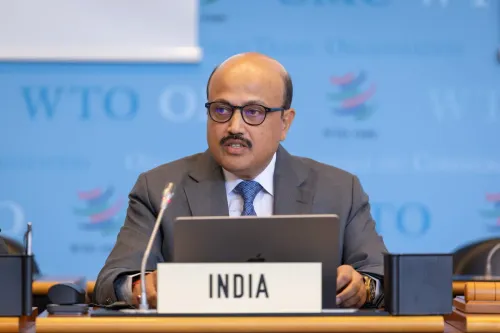
India's 8th WTO Trade Policy Review is scheduled for 21 July and 23 July 2026 , led by Commerce Secretary Rajesh Agarwal .
The review covers the period 1 January 2021 to 31 December 2025 and took 14 months of preparation involving more than 100 Ministries and Departments .
India's total merchandise and services exports hit an all-time high of US$ 863.1 billion in 2025–26 , up 6.3 per cent from US$ 676.5 billion in 2021–22.
More than 900 written questions have been submitted by WTO members, covering digitisation, MSMEs, women's participation, and Atmanirbhar Bharat.
More than 40 WTO Members are expected to deliver statements during the review sessions.
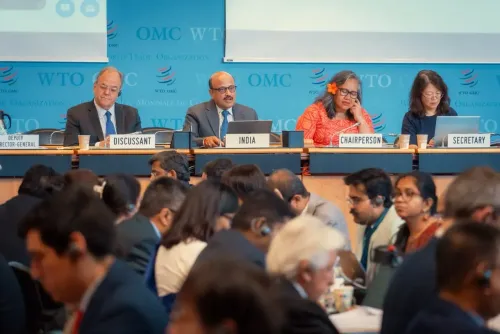
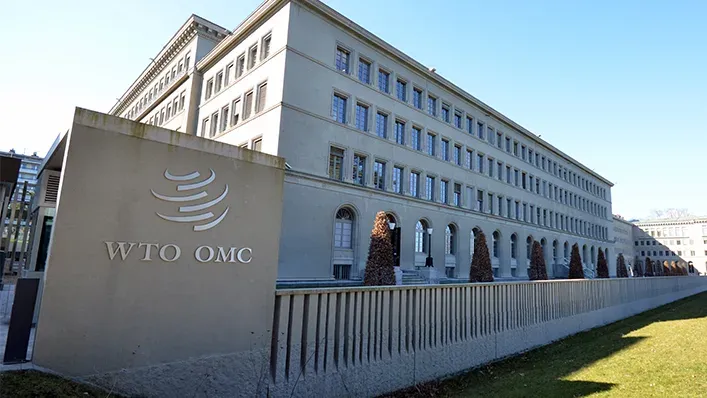
India's 8th Trade Policy Review (TPR) at the World Trade Organisation (WTO) is scheduled for 21 July and 23 July 2026 in Geneva, with the country's official delegation headed by Commerce Secretary Rajesh Agarwal, the Ministry of Commerce and Industry confirmed on Monday, 20 July 2026. The review covers India's trade policies over the five-year period from 1 January 2021 to 31 December 2025.
What the Review Covers
The TPR is a comprehensive peer-review mechanism under the WTO, examining a member's border and behind-the-border trade measures to enhance transparency and predictability in global commerce. The review is based on two documents: a government report submitted by India and an independent assessment prepared by the WTO Secretariat, both circulated to all WTO members ahead of the sessions.
India's TPRs are conducted once every five years, with the frequency tied to a country's share of world trade. The preparatory process for this 8th review began in June 2025, with the Department of Commerce consulting more than 100 Ministries, Departments, and Organisations over 14 months.
India's Trade Performance During the Review Period
India's trade performance during the review window was notably strong. Total exports of merchandise and services reached an all-time high of US$ 863.1 billion in 2025–26, representing a growth of 6.3 per cent over the US$ 676.5 billion recorded in 2021–22. This came despite a pandemic-induced contraction and sustained global headwinds.
'India's performance during the review period has demonstrated remarkable resilience. Following the pandemic-induced contraction and increased global uncertainties, the economy staged a strong rebound and has since sustained high growth rates, establishing itself as the fastest-growing among major economies,' the Ministry's statement noted.
Key Policy Achievements Highlighted
Both the Government Report and the WTO Secretariat Report flag several milestones. These include India's expanded engagement with trading partners through Free Trade Agreements (FTAs), rationalisation and simplification of the Goods and Services Tax (GST) structure, and the scaling of digital infrastructure — notably the Unified Payments Interface (UPI) — as a tool for trade facilitation.
Themes such as Viksit Bharat and the Atmanirbhar Bharat Abhiyan are also expected to feature prominently in India's presentation, reflecting the government's broader economic vision for the review period.
Scale of Global Interest
As of 20 July 2026, WTO members had submitted more than 900 written questions for India's responses — a figure that reflects substantial international interest in India's evolving trade and economic profile. The questions span digitisation, MSMEs, women's economic participation, and structural reform initiatives.
More than 40 WTO Members are expected to deliver statements during the two-day review. The Indian delegation will present the country's position on issues of interest to members and outline India's trade vision going forward.
What Happens Next
India's written responses to the 900-plus questions will form a key part of the formal record. The Trade Policy Review Body (TPRB), which comprises the entire WTO membership, conducts these reviews. Conclusions and observations from the review are expected to inform India's trade policy dialogue with partners in the months ahead.
Point of View
Digital payment infrastructure, and Atmanirbhar Bharat import-substitution push are all in play simultaneously. The record export figure of US$ 863.1 billion is a genuine headline, but the harder conversation at Geneva will be about behind-the-border measures: tariff structures, regulatory barriers, and how India balances openness with self-reliance. The TPR has no enforcement teeth, but the questions on the table will shape the terms of India's next round of bilateral trade negotiations. How the delegation handles the volume and depth of those 900 questions may matter more than the export number itself.
NationPress
20 Oct 2026
Frequently Asked Questions
What is India's 8th WTO Trade Policy Review?
It is a formal peer review of India's trade policies conducted by the WTO's Trade Policy Review Body, covering the period from 1 January 2021 to 31 December 2025. The review is scheduled for 21 July and 23 July 2026 in Geneva and is led by Commerce Secretary Rajesh Agarwal.
How often does India undergo a WTO Trade Policy Review?
India's Trade Policy Reviews are conducted once every five years, with the frequency determined by a country's share of world trade. The 8th review follows the previous one and covers a five-year window ending December 2025.
What were India's key trade achievements during the review period?
India's total merchandise and services exports reached an all-time high of US$ 863.1 billion in 2025–26, a 6.3 per cent rise over US$ 676.5 billion in 2021–22. Key policy highlights include expanded Free Trade Agreements, GST rationalisation, and the scaling of digital tools such as UPI for trade facilitation.
Why have WTO members submitted over 900 questions for India?
The volume of questions reflects significant international interest in India's growing economy and evolving trade profile. The questions cover areas including digitisation, MSMEs, women's economic participation, Viksit Bharat, and the Atmanirbhar Bharat Abhiyan.
What is the purpose of the WTO Trade Policy Review mechanism?
The TPR is a transparency mechanism under the WTO that involves a comprehensive peer review of a member's trade policies — including border and behind-the-border measures — to enhance transparency, predictability, and mutual understanding among WTO members. It is conducted by the Trade Policy Review Body, which comprises the entire WTO membership.