India e-commerce market to triple to $345 billion by 2030: Report

Synopsis
India's e-commerce sector is set to nearly triple in value — from $125 billion to $345 billion by 2030 — with quick commerce alone projected at $65–70 billion and dark stores tripling to 7,500. A NITI Aayog fellow is calling quick commerce 'permanent infrastructure', signalling that India's digital retail revolution has moved from hype to hard economics.
Key Takeaways
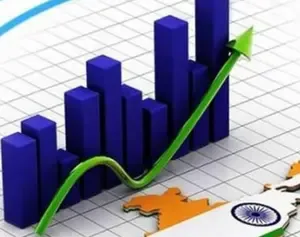
India's e-commerce market is projected to grow from $125 billion in 2024 to $345 billion by 2030 , a near-tripling in value.
The sector is forecast to expand at a CAGR of 18.4 per cent , driven by rising incomes, internet penetration, and digital adoption.
Online shoppers are expected to number 420–440 million by 2030, with e-commerce contributing 2.5 per cent to GDP.
India's quick-commerce market could reach $65–70 billion by 2030, driving 45–50 per cent of incremental e-retail growth.
Dark stores are projected to nearly triple from 2,525 in 2025 to around 7,500 by 2030.
AI and machine learning could boost retail productivity by 35–37 per cent by 2030, according to the report.
India's e-commerce sector is on course for a near-tripling in size, with the market projected to surge from $125 billion in 2024 to $345 billion by 2030, according to a new report released on Wednesday, 2 September. The findings, published by research consultancy Infisum and titled Smart Growth in a Fast Market, were prepared with support from public policy think-tank Empower India.
Growth Drivers and Market Scale
According to the report, India's e-commerce market is expected to expand at a compound annual growth rate (CAGR) of 18.4 per cent through 2030. Rising disposable incomes, deepening internet penetration, and accelerating digital adoption are identified as the primary catalysts behind this trajectory.
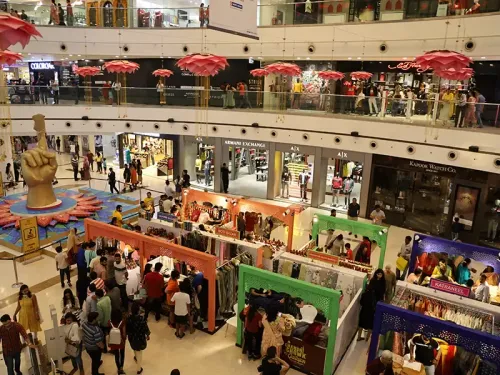
By the end of the decade, online commerce could account for 10–12 per cent of India's total retail spending and contribute approximately 2.5 per cent to the country's GDP. The number of active online shoppers is projected to reach 420–440 million, cementing India's standing as one of the world's fastest-growing digital retail markets.
Quick Commerce: From Trend to Infrastructure
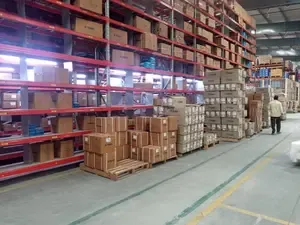
The report places particular emphasis on the rapid ascent of quick commerce. India's quick-commerce market is estimated to reach $65–70 billion by 2030, accounting for 45–50 per cent of incremental e-retail growth over the next five years. To support this expansion, the network of dark stores — small, localised fulfilment hubs — is projected to nearly triple from 2,525 facilities in 2025 to approximately 7,500 by 2030.
Dr Badri Narayanan Gopalakrishnan, Fellow at NITI Aayog, argued that the segment has moved well beyond its experimental phase. 'Quick commerce is permanent infrastructure, not a trend. Valued at USD 65–70 billion by 2030, it will drive 45–50 per cent of incremental e-retail growth,' he said.
Shift Toward Sustainable Unit Economics
The Infisum report also flags a strategic inflection point for quick-commerce operators. After years dominated by aggressive customer acquisition and geographic expansion, companies are reportedly pivoting toward sustainable unit economics, operational efficiency, and long-term investment in logistics and last-mile delivery infrastructure. This comes amid growing investor scrutiny of cash-burn models across the sector.
AI Set to Reshape Retail Productivity
Artificial intelligence is identified as another transformative force. The report projects that AI and machine learning applications could improve retail productivity by 35–37 per cent by 2030, spanning demand forecasting, inventory optimisation, and personalised customer engagement. Notably, this productivity uplift could prove critical as platforms compete on margins rather than just scale.
What This Means for India's Digital Economy
India's e-commerce boom is unfolding against a backdrop of expanding smartphone ownership and improving rural connectivity — factors that previous growth cycles did not fully capture. A $345 billion market by 2030 would represent a structural shift in how hundreds of millions of Indians shop, pay, and receive goods. Regulatory frameworks governing data, competition, and logistics will increasingly determine whether this growth is inclusive or concentrated among a handful of dominant platforms.
Point of View
But the more consequential number may be the 420–440 million projected online shoppers — a figure that implies platforms must now grow into India's smaller cities and towns, not just its metros. The pivot toward sustainable unit economics is overdue; several quick-commerce players have burned capital at rates that alarmed investors even during high-growth phases. The AI productivity projection of 35–37 per cent is ambitious and will depend on data quality and regulatory clarity around algorithmic pricing — neither of which is settled. What the report does not address is market concentration: a tripling of the market that accrues primarily to two or three dominant platforms raises antitrust questions that India's competition regulators are only beginning to grapple with.
NationPress
2 Sept 2026
Frequently Asked Questions
How big will India's e-commerce market be by 2030?
India's e-commerce market is projected to reach $345 billion by 2030, up from $125 billion in 2024 — a near-tripling in six years, according to the Infisum report titled Smart Growth in a Fast Market. The sector is expected to grow at a CAGR of 18.4 per cent over this period.
What is driving India's e-commerce growth?
Rising disposable incomes, increasing internet penetration, and rapid digital adoption are identified as the primary growth drivers. By 2030, online commerce could account for 10–12 per cent of India's total retail spending and contribute around 2.5 per cent to GDP.
How large will India's quick-commerce market become by 2030?
India's quick-commerce market is estimated to reach $65–70 billion by 2030, accounting for 45–50 per cent of incremental e-retail growth over the next five years. NITI Aayog Fellow Dr Badri Narayanan Gopalakrishnan has described quick commerce as 'permanent infrastructure, not a trend'.
What will happen to dark stores in India by 2030?
The number of dark stores — localised fulfilment hubs used by quick-commerce platforms — is projected to nearly triple from 2,525 facilities in 2025 to approximately 7,500 by 2030, reflecting the sector's rapid infrastructure build-out.
How will AI impact India's e-commerce sector?
The Infisum report projects that AI and machine learning could improve retail productivity by 35–37 per cent by 2030. Applications are expected to span demand forecasting, inventory management, and personalised customer engagement across platforms.