Is Global Demand on the Rise as India’s Export Orders Reach a 3-Month Peak? | HSBC Flash PMI
Synopsis
India's private sector shows resilience as export orders surge, marking a strong end to 2025. The HSBC Flash India PMI indicates a positive business climate, reflecting robust domestic demand and a significant increase in new export orders from diverse global markets.
Key Takeaways
HSBC Flash India Composite Output Index: 58.9 in December.
Export Orders: Fastest growth in three months.
Manufacturing PMI: 55.7, indicating solid conditions.
Global Demand: Fresh orders from multiple countries.
Employment: Stability across the private sector.
New Delhi, Dec 16 (NationPress) The private sector of India concluded 2025 on a strong and resilient trajectory, with business activities consistently expanding, as revealed by the HSBC Flash India PMI for December released on Tuesday.
This data emphasized a year of consistent growth for the economy, driven by robust domestic demand and a resurgence in export orders.
The HSBC Flash India Composite Output Index recorded a reading of 58.9 in December, well above the critical 50 threshold that differentiates growth from contraction.
While this figure was slightly below November’s 59.7, it still indicated significant expansion in overall business activities across both manufacturing and services, showcasing one of the strongest performances among leading economies.
In December, business activities continued to grow in both sectors, although the growth rate experienced a slight decline.
Companies noted that demand conditions remained favorable, allowing new orders to remain firmly in expansion territory even as growth moderated from previous highs.
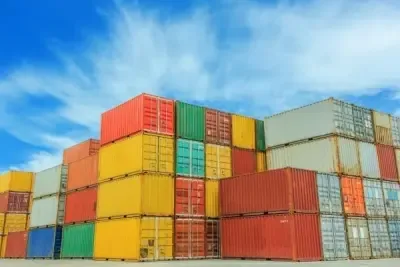
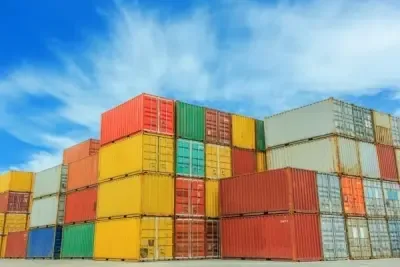
A noteworthy highlight was the surge in exports. Although overall new order growth slowed, new export orders accelerated in December, marking the fastest increase in three months.
Businesses reported fresh demand from a diverse range of global markets, including Australia, Bangladesh, Canada, Germany, the Middle East, Sri Lanka, the UK, and the US, reflecting the expanding global footprint of Indian enterprises.
In the manufacturing sector, both output and new orders continued to rise, albeit at a moderated pace compared to November.
The HSBC Flash India Manufacturing PMI stood at 55.7 in December, down from 56.6 the previous month.
Despite this decline, the reading still indicated a robust improvement in manufacturing conditions, remaining above the long-term average.
Employment trends reflected stability across the private sector. Companies predominantly maintained their existing workforce levels, suggesting that current staffing was adequate to handle incoming orders.
Manufacturing firms saw a slight increase in staff numbers, while employment in services stayed largely stable.
Backlogs of work remained consistent for the third consecutive month, indicating that businesses were effectively managing workloads.
Point of View
It is encouraging to see India's economy exhibiting resilience and growth. The significant rise in export orders indicates not only the strength of domestic businesses but also their increasing footprint in international markets. This trend bodes well for India's economic future.
NationPress
1 Oct 2026
Frequently Asked Questions
What does the HSBC Flash India PMI indicate?
The HSBC Flash India PMI indicates the overall business activity and economic health of India's private sector, with readings above 50 signaling growth.
What were the key findings in December's report?
The report highlighted a Composite Output Index of 58.9, continued growth in manufacturing and services, and a significant rise in new export orders.
Which countries are showing increased demand for Indian exports?
Demand is increasing from countries including Australia, Bangladesh, Canada, Germany, the Middle East, Sri Lanka, the UK, and the US.
How did employment trends fare in December?
Employment trends remained stable, with companies largely maintaining their workforce levels while some manufacturing firms slightly increased staff.
Is the growth in export orders a positive sign for the economy?
Yes, the growth in export orders reflects the improving global competitiveness of Indian businesses and overall economic resilience.