How Do New Labour Codes Enhance Social Security and Ease Employers' Compliance Burden?

Synopsis
India's new labour codes mark a significant transformation in the workforce landscape by enhancing social security and worker rights while easing compliance for employers. The reforms not only promise broader coverage but also modernize the labour ecosystem, making it more competitive and inclusive. Discover how these changes will impact workers and businesses alike.
Key Takeaways
Enhanced social security for workers.
Higher thresholds for retrenchment approvals.
Streamlined compliance processes for employers.
Formal recognition of gig workers.
Increased flexibility for workforce management.
New Delhi, Dec 4 (NationPress) The newly implemented labour codes in India greatly improve social security provisions and enhance protections for workers, while simultaneously alleviating compliance difficulties for employers, according to a report released on Thursday.
The analysis by credit rating agency Brickwork Ratings describes these reforms as a progressive move towards a more inclusive, modern, and competitive labour framework that harmonizes worker welfare with industry efficiency.
By establishing higher thresholds for retrenchment approvals and streamlining compliance processes, these reforms are poised to create a more investment-friendly landscape.
The changes have simplified digital submissions, diminished administrative burdens, and provided increased flexibility for businesses to manage their workforce, the report indicated.
While gig platforms will encounter new costs related to worker welfare, this sector will finally receive formal worker recognition. For companies, the elevated thresholds for workforce reduction approvals and simplified compliance mechanisms will lessen the regulatory load, the analysis highlighted.
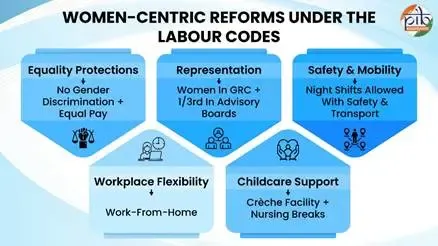
Notable adjustments include the introduction of universal minimum and floor wages, equal pay for all genders, and an overtime rate set at double the normal pay.
Additionally, the reforms formally acknowledge fixed-term employment, a re-skilling fund, arrangements for working from home, a 60-day strike notice, and an increased retrenchment threshold to 300 workers under the Industrial Relations Code.
Fixed-term employees will become eligible for gratuity after one year, and trade unions achieving 51 percent of the votes will acquire exclusive negotiating rights in industrial settings, as noted in the report.
The Code on Social Security, 2020, has expanded the coverage of the Employees’ Provident Fund Organisation, Employees’ State Insurance, and gratuity to include gig and platform workers.
The national social security coverage is projected to rise to over 64 percent of the total workforce by 2025, a substantial increase from 19 percent in 2015, as highlighted in the report.
The codes also simplify compliance through a single registration or licensing process, digital registers, and an inspector cum-facilitator system.
These four consolidated labour codes—governing wages, industrial relations, social security, and occupational safety, health, and working conditions—merged 29 previous acts and came into force on November 21.
IANS
Point of View
The recent labour code reforms represent a balanced approach towards enhancing worker rights while also considering the operational needs of businesses. It is crucial for the nation to move towards a more inclusive and competitive labour market, ensuring that both employees and employers can thrive.
NationPress
30 Sept 2026
Frequently Asked Questions
What are the key features of the new labour codes?
The key features include universal minimum and floor wages, gender-equal pay, overtime compensation at double the normal rate, recognition of fixed-term employment, and expanded social security coverage for gig workers.
How will these reforms affect gig workers?
Gig workers will now receive formal worker status and be eligible for benefits such as the Employees’ Provident Fund, Employees’ State Insurance, and gratuity, enhancing their social security.
What is the projected impact on the workforce by 2025?
National social security coverage is expected to rise to over 64 percent of the total workforce by 2025, a significant increase from 19 percent in 2015.
How do these reforms simplify compliance for employers?
The reforms introduce single registration processes, digital registers, and an inspector cum-facilitator system, significantly reducing the administrative burden for employers.
What is the significance of the raised retrenchment threshold?
The raised retrenchment threshold to 300 workers under the Industrial Relations Code allows businesses greater flexibility in managing their workforce without excessive regulatory constraints.