How Did India’s Rice Exports Surge by 19.4% After Lifting Curbs?
Synopsis
India's rice exports surged by an impressive 19.4% last year after the government lifted export restrictions, reaching historic levels. This remarkable growth not only strengthens India's position as the world's largest rice exporter but also provides relief to consumers in importing nations. Discover how this shift impacts global rice prices and nutrition-focused exports.
Key Takeaways
India's rice exports increased by 19.4%.
Export curbs were lifted, enhancing competition.
Asian rice prices dropped to historic lows.
Fortified rice exports highlight nutritional initiatives.
Chhattisgarh is a key player in rice exports.
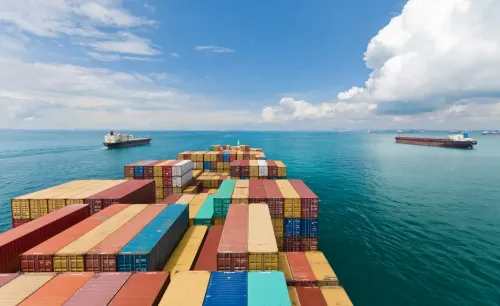
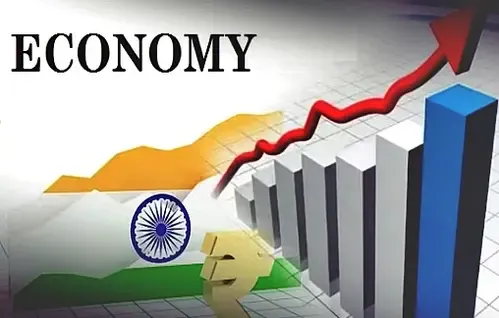
New Delhi, Jan 11 (NationPress) India’s rice exports witnessed a remarkable increase of 19.4 percent last year, reaching the second-highest level on record, following the government’s decision to eliminate all export restrictions.
The removal of these limitations rendered Indian rice more competitive in the global market, bolstering the country’s status as the world’s leading exporter of this essential grain, according to reports.
The robust return of Indian rice to global markets facilitated a consistent supply, consequently diminishing exports from competing producers like Thailand and Vietnam.
This influx of availability has driven rice prices in Asia to their lowest levels in nearly a decade.
The drop in prices has provided much-needed relief to poorer consumers, particularly in Africa and other regions that heavily rely on affordable rice.
India’s expanding role in the global rice trade is further underscored by its focus on value-added and nutrition-centric exports.
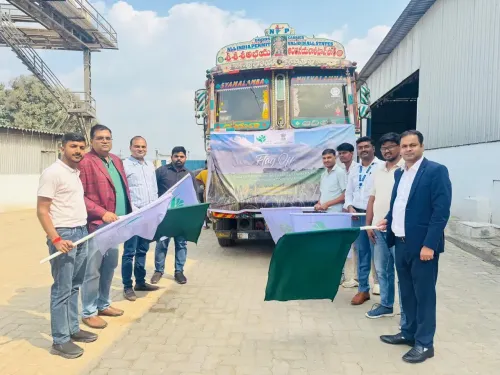
Recently, the Agricultural and Processed Food Products Export Development Authority (APEDA) aided the shipment of 20 metric tonnes of fortified rice from Chhattisgarh to Papua New Guinea.
This consignment exemplifies India’s commitment to diversifying its agricultural exports and increasing its presence in international markets.
Fortified rice is created by mixing rice flour with vital micronutrients like iron, folic acid, and vitamin B12.
This mixture is processed to resemble regular rice grains and subsequently blended with ordinary rice to enhance its nutritional profile.
Officials noted that these exports showcase India’s technological prowess in food fortification, contributing to global food and nutritional security.
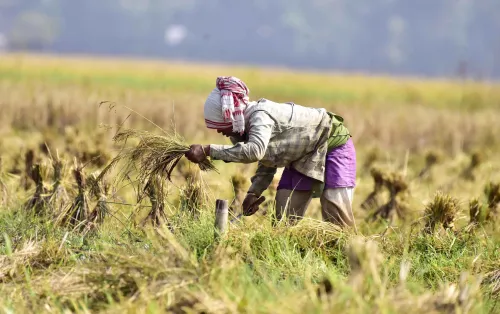
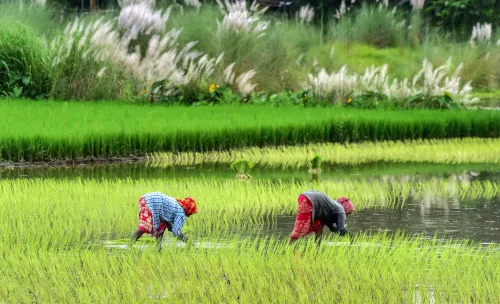
Chhattisgarh has emerged as a significant player in India’s rice export landscape, consistently supporting farmers, millers, and exporters.
The successful delivery to Papua New Guinea highlights the state’s growing role in nutrition-focused food supplies, aligning with India’s broader vision of being recognized as a reliable provider of safe, high-quality, and value-added agricultural products.
APEDA officials indicated that the authority remains committed to ensuring quality, enhancing capacity, and establishing market linkages to further solidify India’s position in global agri-trade.
Point of View
This surge in rice exports reflects India’s strategic shift towards enhancing its agricultural exports. The government's proactive measures in lifting export curbs have not only reinforced India's position in the global market but also contributed to food security for importing nations. This ongoing evolution in India's agricultural trade underlines the importance of innovation and quality assurance in meeting global demands.
NationPress
23 Sept 2026
Frequently Asked Questions
What caused the increase in India's rice exports?
The increase in India's rice exports by 19.4% was primarily due to the government's decision to lift all export curbs, making Indian rice more competitive in international markets.
How does this impact global rice prices?
The surge in Indian rice exports has led to an increase in supply, pushing rice prices in Asia down to their lowest levels in nearly a decade.
What is fortified rice?
Fortified rice is produced by blending rice flour with essential micronutrients such as iron, folic acid, and vitamin B12, enhancing its nutritional value.
Which region in India is significant for rice exports?
Chhattisgarh has emerged as a crucial contributor to India's rice exports, with initiatives that support farmers and exporters.
What role does APEDA play in rice exports?
The Agricultural and Processed Food Products Export Development Authority (APEDA) facilitates and promotes Indian agricultural exports, ensuring quality and market linkages.