How Can India Enhance Trade Openness and Reforms for Long-term Competitiveness?
Synopsis
A new report stresses India's need to prioritize trade openness and reforms amidst the interim India-US trade agreement. The findings suggest key areas for growth, including addressing duty structures and enhancing manufacturing, to elevate India's global competitiveness.
Key Takeaways
Prioritize trade openness and reforms to boost long-term competitiveness.
Address inverted duty structures to streamline costs.
Encourage assembly-based manufacturing for economic growth.
Expand Free Trade Agreements (FTAs) to enhance market access.
Invest in research and development (R&D) for innovation.
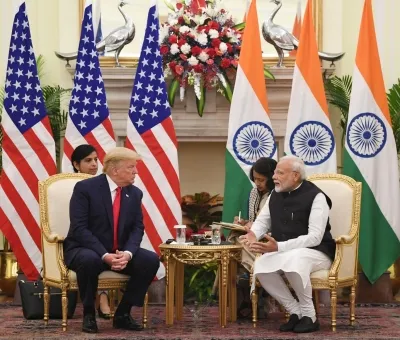
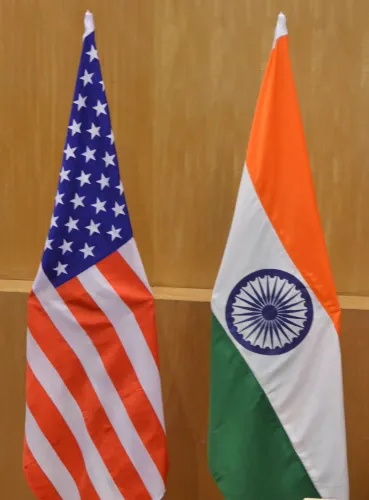
New Delhi, Feb 9 (NationPress) Amid the interim framework of the India-US trade agreement, it is crucial for India to focus on trade openness and necessary reforms to achieve long-term competitiveness, as highlighted in a recent report released on Monday.
The report emphasizes several key areas: rectifying inverted duty structures, optimizing logistics and customs to lower input costs, promoting assembly-based manufacturing for scale and job creation, minimizing protectionism, expanding Free Trade Agreements (FTAs), enhancing research and development (R&D), and alleviating land, labor, and skill constraints.
According to the findings, “This comprehensive strategy, which involves refining manufacturing practices and integrating India further into Global Value Chains (GVCs), could significantly increase India's share in manufacturing and its global position, while mitigating risks associated with Donald Trump’s agreements and unlocking long-term competitiveness.”
The US-India trade pact provides India with tariff alleviation and improved market access, but it also binds India to a $500 billion import commitment along with an oil ban.
The US-India Bilateral Trade Agreement, set for implementation on February 7, 2026, underscores the importance of reciprocal market access. India is expected to eliminate or lower tariffs on various US industrial goods, food, and agricultural products, including Distillers Dried Grains with Solubles (DDGS), red sorghum, tree nuts, fruits, soybean oil, wine, and spirits.
In exchange, the US will impose an 18% reciprocal tariff on select Indian exports (including textiles, apparel, leather, plastics, chemicals, and machinery), while also promising to remove tariffs on items such as generic pharmaceuticals, gems, diamonds, and aircraft parts following successful interim implementation.
This structure aims to balance trade from the US perspective, addressing concerns regarding market barriers.
“From India's viewpoint, this agreement provides tariff relief, lowering effective US tariffs on Indian exports to 18% (which is below competitors' rates). The Indian Trade Minister has indicated that this will foster growth in labor-intensive sectors and initiatives like Make in India and Atmanirbhar Bharat,” the report concluded.
Additionally, it guarantees the removal of national-security tariffs on Indian aircraft and parts, alongside a preferential quota for automotive components, which is expected to support growth in aviation and manufacturing.
Point of View
I believe that India’s focus on enhancing trade openness and reforms is essential for long-term growth. The recent report outlines strategic measures that could significantly elevate India's position in global trade, ultimately benefiting our economy and employment landscape. The nation must embrace these changes to compete effectively on the international stage.
NationPress
30 Sept 2026
Frequently Asked Questions
What are the key priorities outlined in the report?
The key priorities include correcting inverted duty structures, streamlining logistics, promoting assembly-based manufacturing, expanding FTAs, boosting R&D, and easing land, labor, and skills constraints.
What does the US-India trade deal entail?
The US-India trade deal provides tariff relief for India and deeper market access while binding India to a $500 billion import commitment and an oil ban.
How will the trade deal affect Indian exports?
The trade deal is expected to lower effective US duties on Indian exports to 18%, which the Indian Trade Minister believes will support labor-intensive sectors and initiatives like Make in India.