India's wedding season to generate ₹7.5 lakh crore, Nov 21–Dec 15: CAIT

Synopsis
India's wedding season spanning 21 November to 15 December 2026 is projected to generate a record ₹7.5 lakh crore — nearly double the ₹3.75 lakh crore recorded in 2022. With 52 lakh marriages on the calendar and 1.25 crore jobs expected to be created, this fortnight could be the single biggest consumption event of India's economic year, according to CAIT.
Key Takeaways
CAIT projects ₹7.5 lakh crore in economic activity during India's wedding season, running from 21 November to 15 December 2026 .
Around 52 lakh marriages are scheduled during the period across the country. ₹4 lakh crore (54%) of projected business is expected from goods and retail; ₹3.45 lakh crore from services.
Delhi-NCR alone could host 5 lakh weddings , generating ₹2.5 lakh crore in business.
Jewellery and precious metals lead sector spending at ₹1.2 lakh crore , followed by garments at ₹90,000 crore .
The wedding economy has grown from ₹3.75 lakh crore in 2022 to a projected ₹7.50 lakh crore in 2026 , with an estimated 1.25 crore seasonal jobs expected this season.
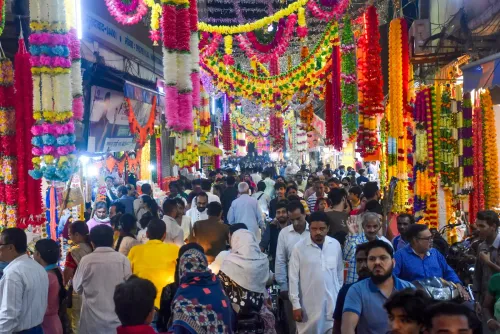
India's upcoming wedding season is projected to generate ₹7.5 lakh crore in economic activity between 21 November and 15 December 2026, with approximately 52 lakh marriages scheduled during the period, according to estimates released by the Confederation of All India Traders (CAIT) on Thursday, 19 November. The season, which concludes ahead of the commencement of Kharmas (Malmas) in mid-December, is on course to become one of the largest single drivers of consumption-led growth in the current year.
Scale of Economic Activity
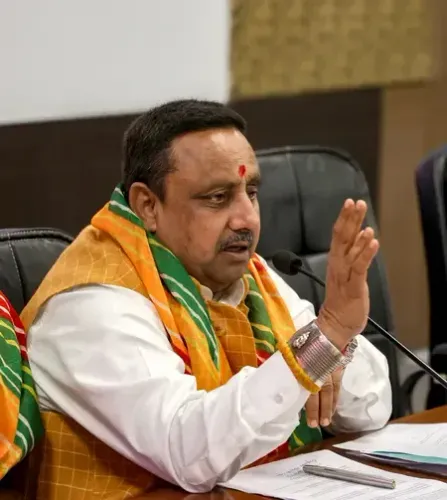
CAIT Secretary General Praveen Khandelwal said the scale of projected spending reflects how weddings have evolved into a comprehensive economic ecosystem, supporting traders, manufacturers, micro, small and medium enterprises (MSMEs), artisans, and service providers across India. Of the total projected ₹7.5 lakh crore, roughly ₹4 lakh crore — or about 54 per cent — is estimated to come from goods and retail purchases, while the remaining ₹3.45 lakh crore is expected from the services sector.
Delhi-NCR Leads the Pack
Delhi-NCR alone is expected to host nearly 5 lakh weddings, generating business worth approximately ₹2.5 lakh crore, reinforcing its standing as one of the country's largest wedding-related commercial centres. The region's concentration of banquet halls, luxury hotels, bridal couture houses, and jewellery clusters makes it disproportionately significant within the overall wedding economy.
Sector-Wise Spending Breakdown
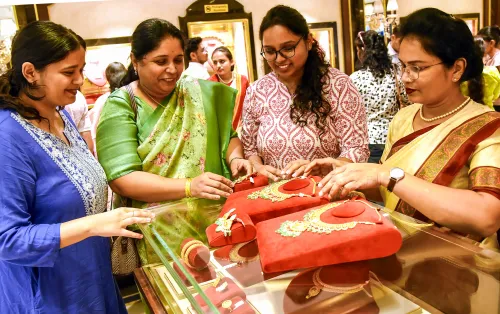
Jewellery and precious metals are projected to record the highest spend at ₹1.2 lakh crore, followed by garments and apparel at ₹90,000 crore. Other key categories include gifts and wedding accessories, groceries and food supplies, electronics, sweets and confectionery, and furniture and household goods. On the services side, catering is expected to generate ₹75,000 crore in business, while marriage venues, banquet halls and hotels could collectively account for another ₹60,000 crore.
India's Fast-Growing Wedding Economy
CAIT's data underscores a sharp upward trajectory in wedding-related spending over recent years. The figure stood at ₹3.75 lakh crore in 2022, climbing to ₹4.74 lakh crore in 2023 and ₹5.90 lakh crore in 2024. It rose further to an estimated ₹6.50 lakh crore in 2025 before reaching the current projected peak of ₹7.50 lakh crore in 2026 — a near-doubling in four years. This comes amid a broader structural shift, with Indian families increasingly allocating larger budgets to destination weddings, premium event management, and curated hospitality experiences.
Employment and Broader Impact
Beyond direct consumption, CAIT projects the season will generate around 1.25 crore temporary, seasonal, and part-time employment opportunities across sectors including catering, decoration, photography, transportation, hospitality, beauty services, and event management. The ripple effect spans retail trade, manufacturing, logistics, and services — sectors that collectively employ hundreds of millions of workers across India's formal and informal economy.
With the season now just days away, traders and service providers across the country are gearing up for what could be a record-setting fortnight for the Indian consumer economy.
Point of View
Not government data, and should be read as indicative rather than audited — the confederation has a natural interest in highlighting the scale of its constituency's contribution to the economy. That said, the directional trend is credible: India's premiumisation of weddings is well-documented, and the informal employment spike during peak wedding windows is structurally significant. What mainstream coverage tends to miss is the strain side of this story — the inflationary pressure on venue costs, gold prices, and catering rates that pushes middle-income families into debt-funded celebrations. The ₹7.5 lakh crore headline is a demand story; the household balance-sheet cost of that demand is the story that rarely gets told.
NationPress
19 Nov 2026
Frequently Asked Questions
How much is India's 2026 wedding season expected to generate?
India's wedding season from 21 November to 15 December 2026 is projected to generate ₹7.5 lakh crore in economic activity, according to CAIT estimates. Around 52 lakh marriages are scheduled during this period.
Which sectors benefit most from India's wedding season?
Jewellery and precious metals lead at ₹1.2 lakh crore, followed by garments and apparel at ₹90,000 crore. On the services side, catering is estimated to generate ₹75,000 crore, while venues and hotels could account for ₹60,000 crore.
How has India's wedding economy grown in recent years?
Wedding-related business was estimated at ₹3.75 lakh crore in 2022, rising steadily to ₹4.74 lakh crore in 2023, ₹5.90 lakh crore in 2024, and ₹6.50 lakh crore in 2025, reaching a projected ₹7.50 lakh crore in 2026 — a near-doubling in four years.
How many jobs is the 2026 wedding season expected to create?
CAIT projects the season will generate approximately 1.25 crore temporary, seasonal, and part-time employment opportunities across catering, decoration, photography, transport, hospitality, beauty services, and event management.
Why is Delhi-NCR significant in India's wedding economy?
Delhi-NCR is expected to host nearly 5 lakh weddings between 21 November and 15 December 2026, generating around ₹2.5 lakh crore in business — roughly one-third of the national total. Its density of banquet halls, luxury hotels, jewellery markets, and bridal services makes it the country's largest single wedding-trade hub.