Rijiju: PM Modi Inaugurates FICCI Annual Convention 2026
Synopsis
PM Narendra Modi inaugurated FICCI's Annual General Meeting and Annual Convention 2026 in New Delhi on November 19. Union Minister Kiren Rijiju shared the live-stream. The event continues a decades-long tradition of Prime Ministerial engagement with India's apex industry body.
Key Takeaways
PM Narendra Modi inaugurated FICCI's AGM and Annual Convention 2026 in New Delhi on November 19, 2026 .
FICCI , founded in 1927 , is India's oldest apex business chamber and a key forum for government-industry policy dialogue.
Union Minister Kiren Rijiju posted a live-stream link of the inauguration on X, amplifying the event's reach.
Prime Ministers have addressed FICCI's annual convention for decades, using it to outline economic priorities and engage the private sector.
Specific policy announcements or outcomes from the 2026 convention sessions are yet to be publicly confirmed.
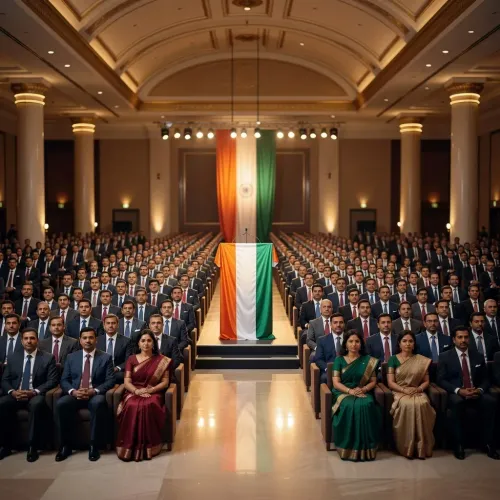
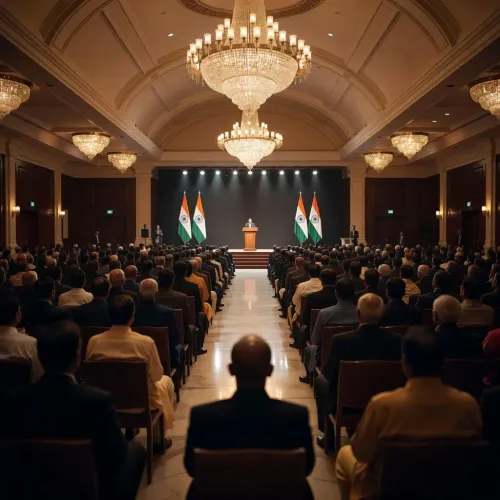
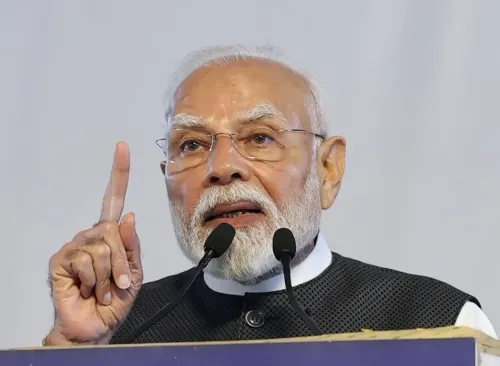
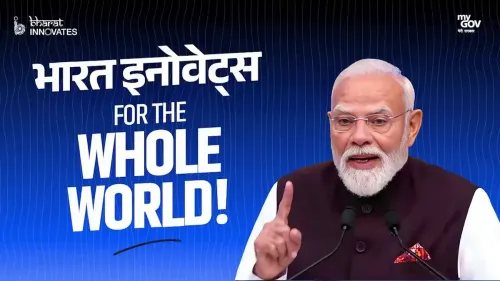
Prime Minister Narendra Modi on Thursday, November 19, 2026, inaugurated the Federation of Indian Chambers of Commerce and Industry (FICCI)'s Annual General Meeting and Annual Convention 2026 in New Delhi — bringing India's top policymaker face-to-face with the country's apex business body for one of the year's most closely watched government-industry dialogues.
Union Parliamentary Affairs and Minority Affairs Minister Kiren Rijiju shared a live-stream link of the event, inviting audiences to watch the inauguration unfold in real time.FICCI's century-long seat at India's policy table
Established in 1927, FICCI is one of India's oldest and most influential apex chambers, representing industry across sectors and geographies. Its annual convention is not a routine conference — it is the moment when government and organised industry openly negotiate the direction of economic policy. Prime Ministers have addressed this gathering for decades, using it to signal priorities, announce reforms, and hear private-sector concerns at scale.
That tradition places PM Modi's participation squarely within a long arc of executive engagement with Indian business — an arc that has only grown more consequential as India pitches itself as a global manufacturing and investment destination.
Why this year's convention carries extra weight
India's economic ambitions — from infrastructure expansion to the push for foreign direct investment — make high-level government-industry alignment increasingly important. Conventions like FICCI's AGM offer the private sector a formal channel to surface regulatory concerns, propose reforms, and align investment roadmaps with government priorities. The Prime Minister's presence at the inauguration signals that the Centre is in listening mode — and potentially in announcement mode.
Specific agenda items and any policy announcements from the 2026 edition are yet to be detailed publicly, but the convention's sessions are expected to cover economic growth, investment climate, and reform priorities.
Point of View
Amplifying the event on X reflects a broader strategy of using social media to extend the reach of high-profile government engagements. Crucially, what the PM says — or chooses not to announce — at a gathering of this stature often sets the tone for private-sector expectations in the months ahead.
NationPress
19 Nov 2026
Frequently Asked Questions
What is FICCI's Annual Convention 2026?
FICCI's Annual General Meeting and Annual Convention 2026 is the apex industry body's flagship yearly event held in New Delhi, bringing together government leaders and industry representatives to discuss economic policy, investment, and reforms.
Who inaugurated FICCI's Annual Convention 2026?
Prime Minister Narendra Modi inaugurated FICCI's Annual General Meeting and Annual Convention 2026 in New Delhi on November 19, 2026.
What is FICCI and when was it founded?
FICCI, the Federation of Indian Chambers of Commerce and Industry, was established in 1927 and is one of India's oldest and most influential apex business bodies, representing industry across sectors.
Why did Kiren Rijiju post about the FICCI event?
Union Parliamentary Affairs and Minority Affairs Minister Kiren Rijiju shared a live-stream link of PM Modi's inauguration on X, inviting the public to watch the event in real time.
What decisions or announcements came out of FICCI Annual Convention 2026?
Specific policy announcements or outcomes from the 2026 convention sessions have not yet been publicly confirmed; the event is expected to cover economic growth, investment climate, and reform priorities.