Sitharaman Meets FICCI President Anant Goenka
Synopsis
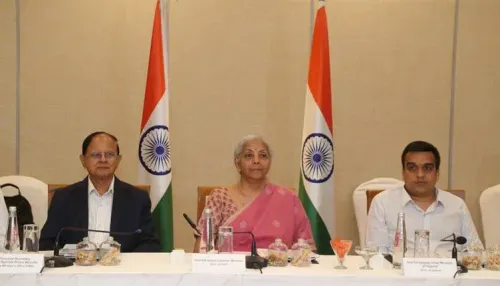
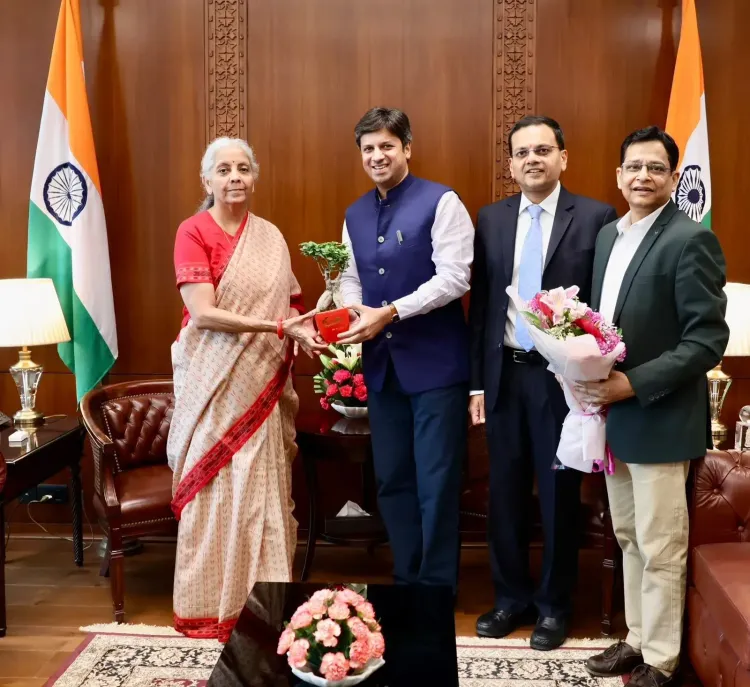
Union Finance Minister Nirmala Sitharaman met FICCI President Anant Goenka on 2 June 2026 in New Delhi. The courtesy call reflects the Finance Ministry's routine but substantive consultative engagement with India's apex industry bodies on economic and fiscal policy matters.
Key Takeaways
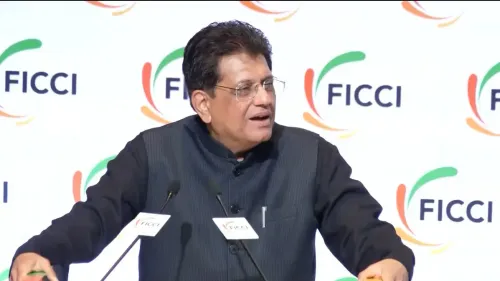
Nirmala Sitharaman , Union Finance Minister, received Anant Goenka , FICCI President and RPG Enterprises Executive Director, on 2 June 2026 .
FICCI , established in 1927 , is one of India's oldest apex business organisations representing industry across sectors.
The meeting is part of a structured consultative mechanism between the Finance Ministry and private sector representatives.
Such interactions historically feed into pre-budget consultations, Economic Survey inputs, and regulatory reform discussions.
No specific agenda or outcomes have been officially disclosed, per available information.
Subsequent statements from FICCI or the Finance Ministry may reveal policy recommendations discussed.
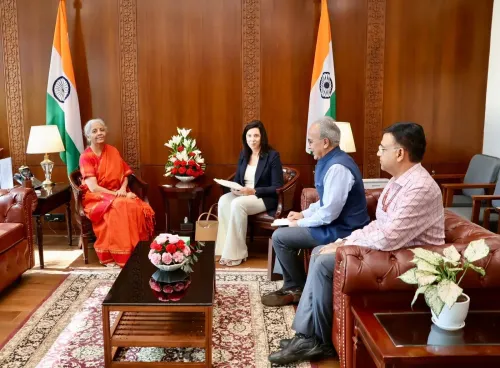
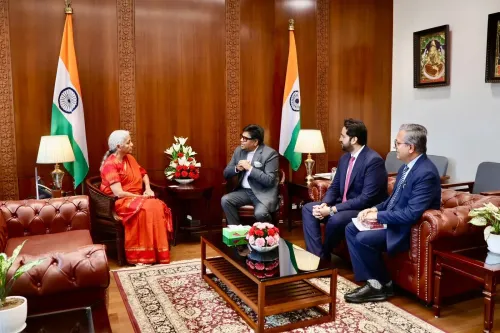
Union Finance Minister Nirmala Sitharaman received Anant Goenka, President of the Federation of Indian Chambers of Commerce and Industry (FICCI) and Executive Director of RPG Enterprises, at a courtesy call on Tuesday, 2 June 2026. The meeting is part of the Finance Ministry's ongoing consultative engagement with India's apex industry bodies.
Context
The meeting was announced by Sitharaman's official handle on X, describing it as a courtesy call by Goenka in his capacity as FICCI President. FICCI, founded in 1927, is one of India's oldest and largest apex business organisations, representing interests across manufacturing, services, trade, and investment sectors.
Anant Goenka assumed the presidency of FICCI while also serving as Executive Director of the diversified conglomerate RPG Enterprises, which has interests spanning infrastructure, technology, and retail. His dual role positions him as a significant voice for both large-scale industry and the broader private sector.
Policy Backdrop
Meetings between the Finance Minister and heads of apex chambers form a well-established consultative mechanism in India's economic policymaking architecture. These interactions serve as a channel for the private sector to transmit views on taxation, trade facilitation, investment climate, and regulatory reform directly to the ministry responsible for the Union Budget and corporate affairs.
The Finance Ministry has held documented pre-budget consultations with industry bodies including FICCI in prior years, making such engagements a routine but substantive feature of the fiscal calendar. With the Union Budget cycle and ongoing structural economic reforms, industry bodies have been actively seeking dialogue on issues including GST rationalisation, capital expenditure continuity, and ease of doing business measures.
Stakeholders and Impact
The corporate sector, domestic industry associations, and foreign investors closely track signals emerging from Finance Ministry interactions with apex chambers. FICCI's membership spans small and medium enterprises as well as large conglomerates, meaning any policy recommendations conveyed by its president carry broad industry weight.
Such consultative meetings also signal the government's openness to private sector feedback at a time when India is navigating global trade uncertainties, domestic consumption trends, and infrastructure investment priorities. The outcomes of these engagements often surface in subsequent government statements, Economic Survey inputs, or budgetary proposals.
What's Next
Observers will watch for any formal statements from FICCI or the Finance Ministry detailing the specific agenda or recommendations discussed during the meeting. Any such disclosures would offer a clearer picture of the industry body's policy priorities and the government's likely response ahead of the next major fiscal announcement. The meeting reinforces the structured dialogue between New Delhi's economic policymakers and India's organised private sector as the country charts its medium-term growth strategy.
Point of View
Particularly as India approaches another budget cycle. FICCI's leadership, representing a cross-section of Indian industry, carries considerable weight in shaping the contours of fiscal and regulatory policy. The timing of such consultations matters: industry bodies use these windows to press for relief on taxation, investment incentives, and ease-of-doing-business reforms. That Sitharaman has maintained this consultative cadence signals continuity in the government's approach to co-opting organised industry voices into the policymaking process.
NationPress
19 Sept 2026
Frequently Asked Questions
Why did FICCI President Anant Goenka meet Nirmala Sitharaman?
Anant Goenka called on Finance Minister Nirmala Sitharaman in his capacity as FICCI President for a courtesy meeting, which is part of the routine consultative engagement between the Finance Ministry and apex industry bodies.
What is FICCI and why does it matter?
FICCI, the Federation of Indian Chambers of Commerce and Industry, was established in 1927 and is one of India's oldest and largest apex business organisations. It represents industry interests across manufacturing, services, trade, and investment, making it a key interlocutor for government economic policy.
Who is Anant Goenka?
Anant Goenka is the President of FICCI and Executive Director of RPG Enterprises, a diversified Indian conglomerate with interests in infrastructure, technology, and retail.
What topics are typically discussed in Finance Minister-FICCI meetings?
Such meetings generally cover taxation policy, GST rationalisation, trade facilitation, investment climate, regulatory reform, and pre-budget recommendations from the industry body to the Finance Ministry.
What happens after the Finance Minister meets industry body heads?
Following such meetings, FICCI or the Finance Ministry may release statements on specific recommendations discussed. These inputs often surface in Economic Survey consultations or budgetary proposals.