Transforming Capital Markets in India: Insights from NSE CEO Ashishkumar Chauhan
Synopsis
India’s capital markets are rapidly evolving, driven by innovation and intellectual property, according to NSE CEO Ashishkumar Chauhan. This article explores the dynamic financial landscape and its implications for future value creation.
Key Takeaways
India's capital markets are rapidly evolving.
Innovation and intellectual property are key drivers of value.
Merchant bankers typically set company valuations.
SEBI's rules allow for flexibility in public float.
Global geopolitical tensions are impacting equity markets.
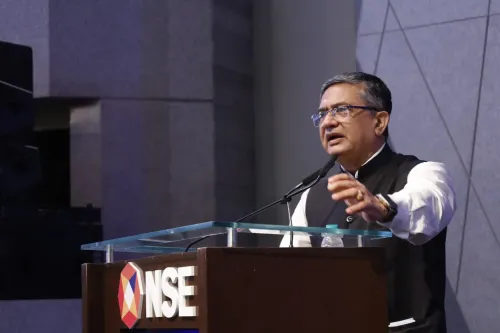
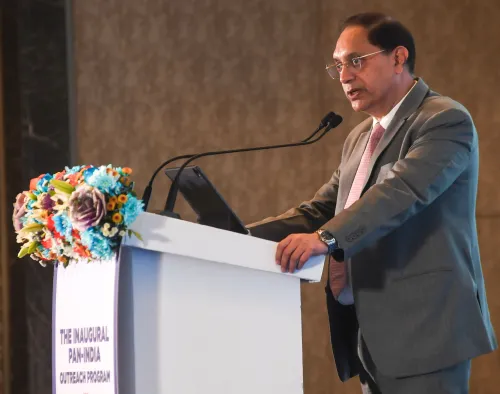
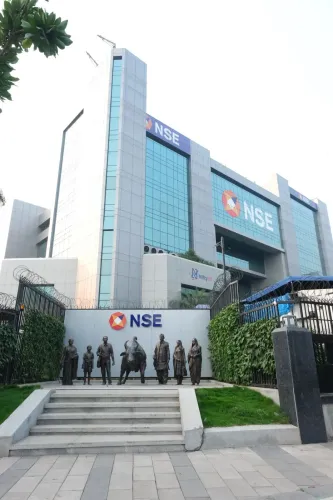
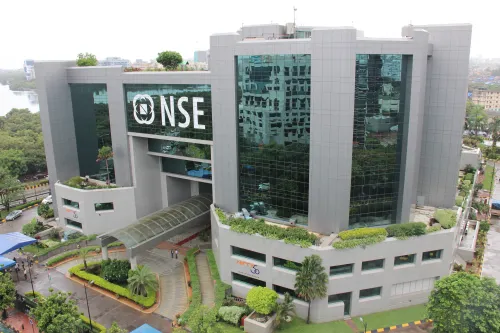
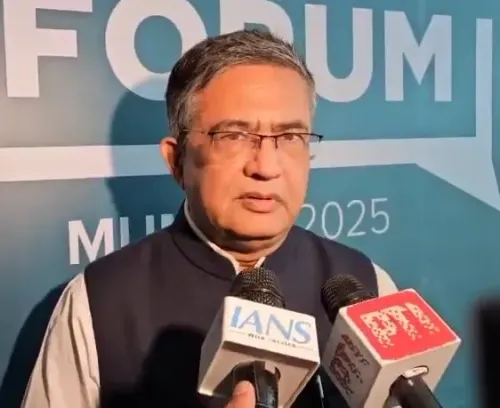
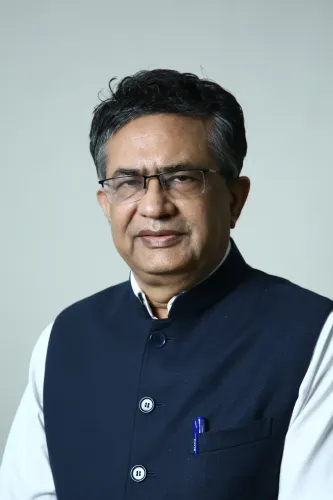
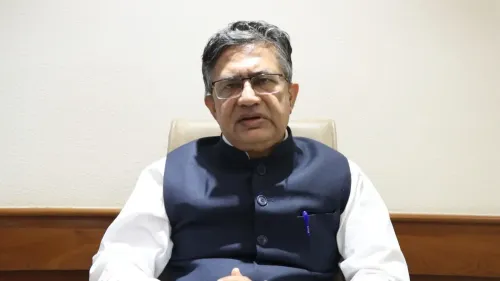
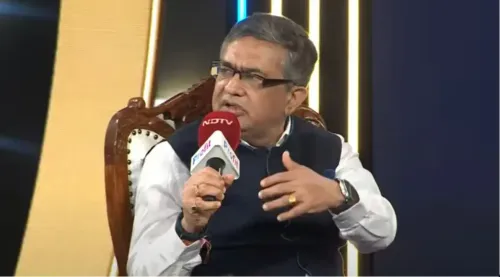
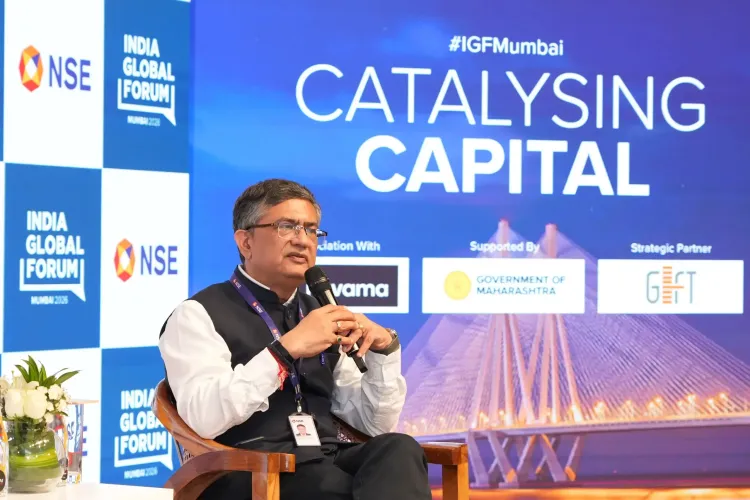
Mumbai, March 9 (NationPress) The capital markets of India are experiencing a remarkable shift, with an emphasis on innovation, intellectual property, and emerging businesses playing a crucial role in creating value, remarked Ashishkumar Chauhan, Managing Director and CEO of the National Stock Exchange (NSE), on Monday.
While addressing industry figures, Chauhan elaborated on the changing dynamics of India’s financial landscape, identifying primary objectives and potential risks within the capital markets.
“India is progressively advancing towards an intangible economy, where creativity, innovation, and intellectual property are at the forefront of value generation, with capital markets significantly contributing to the expansion of such enterprises,” stated the NSE CEO.
During the event, Chauhan also touched upon the assessment process for firms intending to go public.
He noted that the valuation figures are generally set by merchant bankers and, as they have not yet been appointed for the current situation, the final valuation remains uncertain.
“Valuations are typically established by merchant bankers, but as they are not yet engaged, I cannot disclose the final figures,” he explained.
Chauhan mentioned that the existing regulatory framework permits companies to maintain a reduced public float under specific conditions.
“The comprehensive rules established by the Securities and Exchange Board of India (SEBI) provide flexibility for companies that may lack a distinctly defined promoter identity,” he added.
In a conversation with IANS regarding the recent downturn in equity markets, A. Balasubramanian, Managing Director and CEO of Aditya Birla Sun Life AMC Limited, commented that rising geopolitical tensions, particularly related to Iran, have raised concerns about energy supplies and driven up oil prices.
He pointed out that the current market decline is not advantageous for India, attributing it primarily to global factors rather than domestic economic weaknesses.
“The ongoing market correction is unfavorable for India. However, it is largely influenced by global economic uncertainties stemming from the ongoing conflict involving Iran and the subsequent surge in oil prices,” Balasubramanian told IANS.
Point of View
It’s clear that India’s shift towards an intangible economy is pivotal. The emphasis on innovation and intellectual property reflects a global trend, positioning the capital markets as crucial facilitators of growth. This evolution warrants close attention from investors and policymakers alike.
NationPress
26 Sept 2026
Frequently Asked Questions
What is driving the transformation in India's capital markets?
Innovation, intellectual property, and new-age businesses are central to the transformation in India's capital markets.
Who determines the valuation for companies planning to go public?
Valuations are typically set by merchant bankers, who have not yet been appointed in the current case.
What flexibility does the SEBI provide for companies regarding public float?
The SEBI framework allows companies to maintain a smaller public float under specific circumstances.
What external factors are affecting India's equity markets?
Rising geopolitical tensions, particularly related to Iran, and concerns over energy supplies are influencing the equity markets.
Is the current market correction favorable for India?
No, the current market correction is considered unfavorable for India and is mainly driven by global uncertainties.