IRCTC website beta version live: faster booking, cleaner interface after 23 years
Synopsis
For the first time in 23 years, IRCTC's booking website looks different — and works differently. The beta version, shaped in part by student feedback from MNIT, strips out captchas, cuts checkout steps, and displays all class availability at once. With 14.5 lakh bookings a day riding on it, the final rollout — tied to a new Passenger Reservation Engine — could be the biggest upgrade to Indian Railways' digital infrastructure in a generation.
Key Takeaways
IRCTC launched the beta version of its redesigned website on 15 July 2025 — the first major overhaul in over 23 years .
The platform handles an average of 14.5 lakh ticket bookings daily .
Key improvements include removal of captchas and pop-ups, shorter checkout steps, and simultaneous display of seat availability across all travel classes .
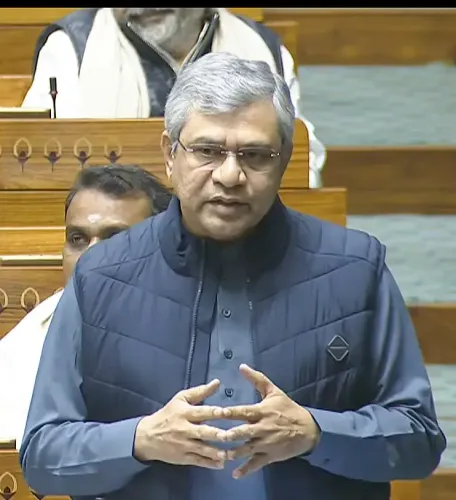
Students from Malaviya National Institute of Technology (MNIT) contributed feedback that shaped the redesign, following an interaction with Railway Minister Ashwini Vaishnaw .
The new portal will integrate with an upgraded Passenger Reservation Engine (PRS) , with the full rollout expected in the coming weeks .
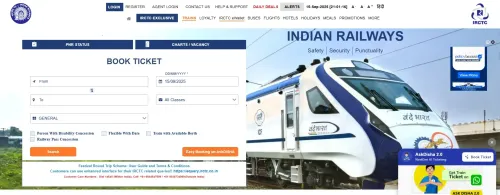
The Indian Railway Catering and Tourism Corporation (IRCTC) has launched the beta version of its completely overhauled ticket booking website on 15 July 2025, marking the platform's first major redesign in over two decades, the Ministry of Railways confirmed on Wednesday. The revamped portal is now accessible to all users via a dedicated link on the existing IRCTC homepage, with the final version expected to roll out within the coming weeks.
What Has Changed in the New Portal
Originally launched in 2002, the IRCTC website currently processes an average of 14.5 lakh ticket bookings every day, making it one of India's highest-traffic e-commerce platforms. The beta version introduces a cleaner, distraction-free interface by eliminating unnecessary captchas, pop-ups, and flashing graphics that had long frustrated users.
Seat availability is now displayed simultaneously across all travel classes, enabling passengers to compare options at a glance. The checkout process has been shortened by reducing the number of steps required, while saved passenger profiles allow for quicker repeat bookings.
How Student Feedback Shaped the Redesign
The redesign was not purely an internal exercise. According to the Ministry of Railways, students from Malaviya National Institute of Technology (MNIT) interacted directly with Railway Minister Ashwini Vaishnaw and shared structured feedback on improving user experience. Several of their recommendations were incorporated into the new platform — an unusual instance of student-led input shaping a national digital infrastructure project.
Integration with the New Passenger Reservation Engine
The revamped portal is also being built to integrate with an upgraded Passenger Reservation Engine (PRS), the backend system that powers train bookings across multiple applications. The ministry noted that redeveloping the reservation engine required extensive work to ensure uninterrupted services during the transition. The fully integrated IRCTC portal and the upgraded PRS are expected to go live together in the next few weeks.
What Happens Next
The beta launch is explicitly designed to collect user feedback, which will be used to fine-tune the platform before the official release. Users who explore the beta version can submit suggestions, and additional improvements flagged during the trial phase will be incorporated in future updates. This iterative, feedback-first rollout strategy signals a shift in how Indian Railways is approaching digital product development — prioritising user testing over a single big-bang launch.
Point of View
But the real test for IRCTC's redesign is whether the backend can keep pace. The platform's chronic pain points — booking failures during Tatkal windows, payment gateway timeouts, and session drops — are engineering problems, not design ones. The integration with the new Passenger Reservation Engine is the piece that actually matters, and the ministry has been careful to keep that timeline vague. Student-led input is a good optics move, but 14.5 lakh daily bookings demand stress-tested infrastructure, not just a prettier homepage.
NationPress
14 Oct 2026
Frequently Asked Questions
What is the new IRCTC website beta version?
It is the first major redesign of the IRCTC ticket booking platform since its original launch in 2002, now live in beta as of 15 July 2025. The new version features a cleaner interface, fewer checkout steps, no captchas, and simultaneous display of seat availability across all travel classes.
How can I access the new IRCTC beta website?
The beta version can be accessed through the existing IRCTC website, where a dedicated link has been provided on the homepage. Users can explore the new interface and submit feedback before the final version is released.
Who designed the new IRCTC website?
The redesign was driven by internal railway efforts, with significant input from students of Malaviya National Institute of Technology (MNIT), who shared user-experience feedback directly with Railway Minister Ashwini Vaishnaw. Several of their recommendations were incorporated into the new platform.
When will the final version of the new IRCTC website launch?
The Ministry of Railways has indicated the final version will be released in the coming weeks. It will be launched alongside an upgraded Passenger Reservation Engine (PRS), which is currently being redeveloped in parallel.
What is the Passenger Reservation Engine and why does it matter?
The Passenger Reservation Engine (PRS) is the backend system that powers train ticket bookings across IRCTC and multiple other railway applications. The upgraded PRS, being developed simultaneously with the new website, is critical to delivering faster and more reliable booking performance at scale.