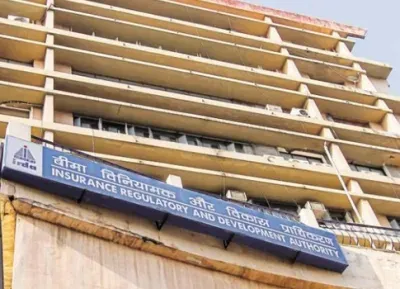
IRDAI to issue fresh bank guidelines to curb insurance miss-selling

Synopsis
IRDAI is tightening its grip on how insurance is sold in India — new bank guidelines to curb miss-selling, a September 2025 launch window for the Bima Sugam digital marketplace, and executive pay now tied to claims settlement and grievance outcomes. The moves signal a regulator shifting from rule-making to enforcement-first.
Key Takeaways
IRDAI Chairperson Ajay Seth announced fresh guidelines for banks to prevent insurance miss-selling, speaking in Mumbai on 30 June .
The Bima Sugam digital insurance platform is expected to launch by September 2025 , starting with motor insurance before expanding to health and term-life products.
One foreign insurer has received IRDAI approval to raise its stake in an Indian life insurer; a second application is under review, following the government's notification of 100 per cent FDI under the automatic route.
LIC remains under a separate framework with foreign investment capped at 20 per cent .
IRDAI has linked KMP remuneration — including CEO bonuses — to claims settlement speed, grievance redressal, and product performance.
A new product suitability framework for insurance sales is also in the works, favouring illustrative guidance over rigid rules.
The Insurance Regulatory and Development Authority of India (IRDAI) will soon release fresh guidelines targeting banks to prevent the miss-selling of insurance products, IRDAI Chairperson Ajay Seth said on Tuesday, 30 June. Seth made the remarks while addressing media at an event in Mumbai, signalling a sharper regulatory focus on distribution conduct at a time when bancassurance channels have come under increasing scrutiny.
Bima Sugam Platform Launch
Seth said the Bima Sugam digital insurance marketplace is likely to go live by September 2025, initially covering motor insurance, before expanding to health and subsequently term-life products. The platform is designed to simplify policy discovery and purchase for retail consumers, potentially reducing dependence on intermediaries where mis-selling risks are highest.
FDI in Insurance: Approvals Under Way
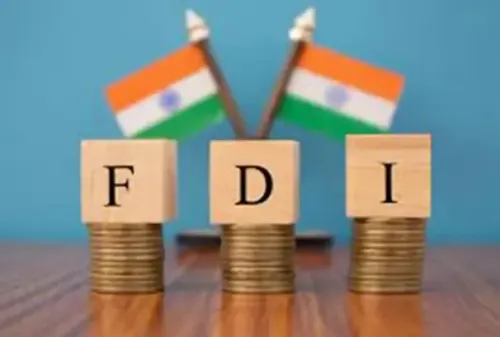
On the question of foreign direct investment in the sector, Seth confirmed that one foreign insurer has already received IRDAI approval to increase its stake in an Indian life insurance company, while a second application remains under review. This follows the government's recent notification permitting 100 per cent FDI in insurance under the automatic route, opening the door to greater overseas participation. Foreign investors will, however, remain subject to the Insurance Act, 1938 and must secure IRDAI clearance before undertaking insurance or related activities.
Notably, Life Insurance Corporation of India (LIC) will continue to operate under a separate, more restrictive framework, with foreign investment capped at 20 per cent under the automatic route — preserving the state-owned giant's distinct regulatory status.
The 100 per cent FDI ceiling under the automatic route has also been extended to insurance intermediaries, including brokers, reinsurance brokers, insurance consultants, corporate agents, third-party administrators, surveyors and loss assessors, managing general agents, and insurance repositories.
Product Suitability Framework on the Horizon
Seth indicated that IRDAI is working on a new product suitability framework for sales, opting for illustrative guidance rather than prescriptive rules — an approach intended to give insurers flexibility while still protecting consumers from unsuitable product recommendations. The regulator recently approved a new general insurance licence, the second such approval in recent times, signalling continued appetite for expanding market participation.
Executive Pay Linked to Customer Outcomes
In a related development last month, IRDAI tightened norms on top executive remuneration, mandating that bonuses and incentives for Key Management Personnel (KMPs) — including chief executives — be tied to measurable performance parameters. These include claims settlement speed, grievance redressal, and product performance, alongside financial health and transparency disclosures. The move is widely seen as an effort to align boardroom incentives with policyholder interests.
With fresh bank guidelines, a consumer-facing digital platform, and tighter executive accountability all converging, IRDAI appears to be entering a more assertive phase of oversight — one that could reshape how insurance is sold and serviced across India.
Point of View
Yet past regulatory nudges have had limited impact. The real question is whether the forthcoming guidelines will carry teeth — enforceable penalties and mandatory audit trails — or default to the advisory circulars that insurers have historically treated as soft suggestions. The Bima Sugam platform, if it gains consumer traction, could structurally reduce bancassurance mis-selling by letting buyers compare and purchase directly. But platform adoption in a market where agents and bank relationship managers still dominate distribution will not happen by notification alone. Tying KMP pay to claims and grievance metrics is the sharpest signal yet that IRDAI is moving accountability up the chain — the test will be in the auditing.
NationPress
29 Sept 2026
Frequently Asked Questions
What are the new IRDAI guidelines for banks on insurance miss-selling?
IRDAI Chairperson Ajay Seth announced on 30 June that the regulator will soon issue fresh guidelines specifically targeting banks to prevent the miss-selling of insurance products. The detailed framework has not yet been released, but the move follows growing concerns about bancassurance distribution practices.
What is the Bima Sugam platform and when will it launch?
Bima Sugam is a digital insurance marketplace being developed by IRDAI to allow consumers to discover and purchase insurance policies online. It is expected to launch by September 2025, beginning with motor insurance and subsequently adding health and term-life products.
What does 100 per cent FDI in insurance mean for foreign investors?
The government has permitted 100 per cent foreign direct investment in insurance companies under the automatic route, meaning overseas investors no longer need prior government approval to invest. However, investments remain subject to the Insurance Act, 1938, and IRDAI must approve any entity before it undertakes insurance activities in India.
Is LIC covered under the 100 per cent FDI rule?
No. Life Insurance Corporation of India operates under a separate regulatory framework, and foreign investment in LIC remains capped at 20 per cent under the automatic route, preserving its distinct status as a state-owned insurer.
How has IRDAI changed rules on executive pay at insurance companies?
IRDAI recently mandated that bonuses and incentives for Key Management Personnel, including chief executives, must be linked to measurable outcomes such as claims settlement speed, grievance redressal, and product performance — alongside financial health and transparency disclosures. The rules are designed to align leadership incentives with policyholder interests.