IRDAI Chairman calls for end to dark patterns in insurance digital platforms

Synopsis
IRDAI Chairman Ajay Seth has drawn a hard line: insurance websites that demand personal data before showing prices are eroding consumer trust. With an audit partnership already in place, fresh bank mis-selling guidelines on the way, and Bima Sugam set to launch by September, India's insurance regulator is mounting its most coordinated digital consumer-protection push yet.
Key Takeaways
IRDAI Chairman Ajay Seth on 25 July called for the complete removal of dark patterns from insurance digital platforms.
Many insurance websites currently require names, mobile numbers, and marketing consent before displaying product prices — a practice Seth flagged as undermining transparency.
IRDAI has partnered with the Institute of Public Auditors of India to actively monitor dark patterns in the sector.
Insurers have been directed to self-assess their platforms against Central Consumer Protection Authority (CCPA) guidelines.
Fresh guidelines to stop bank mis-selling of insurance products are expected soon, Seth announced in June .
The Bima Sugam platform is slated to launch by September 2025 , starting with motor insurance and expanding to health and term-life products.
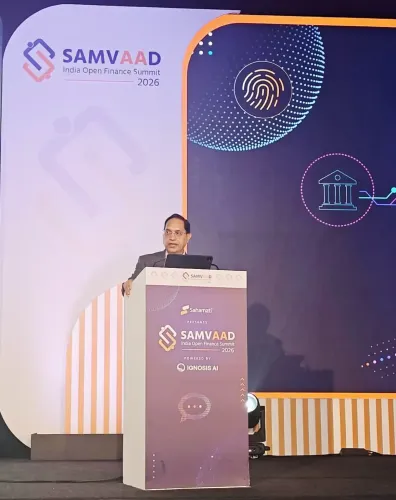
Insurance Regulatory and Development Authority of India (IRDAI) Chairman Ajay Seth on Saturday, 25 July called for the complete elimination of dark patterns from India's insurance sector, asserting that transparent digital practices are indispensable for strengthening consumer trust and deepening insurance penetration across the country.
What Seth Said at the Event
Speaking at an event in New Delhi, Seth urged insurers to move beyond treating regulatory compliance as a box-ticking exercise and instead conduct rigorous self-audits of their digital platforms and customer journeys. He emphasised that consumers should be able to compare insurance products and pricing freely, without being forced to submit personal details at the very first step.
According to Seth, a widespread practice on many insurance websites — requiring names, mobile numbers, and consent to marketing calls before displaying product prices — directly undermines transparency and customer convenience. 'Trust is built when customers clearly understand what they are agreeing to,' Seth said, adding that the industry must make the insurance buying process simpler and genuinely transparent, not just legally compliant.
Regulatory Action Already Underway
The IRDAI has stepped up its scrutiny of deceptive online practices this year, partnering with the Institute of Public Auditors of India to monitor dark patterns specifically within the insurance sector. The regulator had also directed insurers to review their digital platforms in line with the Central Consumer Protection Authority (CCPA) guidelines and submit self-assessment reports. Industry representatives indicated that companies have already begun revising their digital interfaces following the regulator's advisory.
Upcoming Guidelines on Mis-selling and Bima Sugam
Seth had earlier, in June, announced that the IRDAI would soon issue fresh guidelines for banks to curb the mis-selling of insurance products — a long-standing consumer grievance in the sector. He also stated that the Bima Sugam platform is likely to be launched by September 2025, initially covering motor insurance before expanding to health and term-life products.
Why This Matters for Consumers
Dark patterns — design techniques that nudge users into unintended actions or obscure key information — have been a growing concern across India's digital economy. Their presence in insurance is particularly consequential, given that millions of first-time buyers rely on online platforms to make high-stakes financial decisions. This is the first time the IRDAI has formally partnered with an audit body to track such practices, signalling a structural shift in how the regulator approaches consumer protection. With Bima Sugam on the horizon, the sector's digital integrity will face its most visible test yet.
Point of View
Insurers have little structural incentive to redesign customer journeys that, however deceptive, convert well. Bima Sugam, if it launches on schedule, will be the real test — a government-backed comparison platform that makes dark patterns redundant by design, rather than by directive.
NationPress
24 Oct 2026
Frequently Asked Questions
What are dark patterns in the insurance sector?
Dark patterns are deceptive digital design techniques that manipulate users into unintended actions or withhold key information. In insurance, a common example is requiring a consumer to share personal details and consent to marketing calls before being shown product prices, making genuine comparison difficult.
What action has IRDAI taken against dark patterns?
The IRDAI has partnered with the Institute of Public Auditors of India to monitor dark patterns in the insurance sector. It has also directed insurers to review their digital platforms against Central Consumer Protection Authority guidelines and submit self-assessment reports.
What is Bima Sugam and when will it launch?
Bima Sugam is a government-backed digital platform designed to allow consumers to compare and purchase insurance products transparently. IRDAI Chairman Ajay Seth has indicated it is likely to launch by September 2025, beginning with motor insurance before covering health and term-life products.
What did IRDAI say about bank mis-selling of insurance?
In June, Chairman Ajay Seth announced that the IRDAI would soon issue fresh guidelines specifically targeting the mis-selling of insurance products by banks, a practice that has long drawn consumer complaints.
Why is digital transparency important for insurance penetration in India?
Insurance penetration in India remains low compared to global benchmarks. Regulators argue that opaque digital practices — such as forced data disclosure before price display — deter first-time buyers and erode trust. Transparent platforms are seen as essential to bringing more consumers, particularly in smaller cities and towns, into the formal insurance ecosystem.