SEBI pushes to add insurance data to consolidated account statements
Synopsis
SEBI is pushing to make consolidated account statements truly comprehensive — by adding insurance data via IRDAI and bank deposits via RBI access. If it succeeds, Indian investors could soon track securities, mutual funds, NPS, insurance, and bank deposits from a single statement, a significant leap for financial data interoperability.
Key Takeaways
SEBI Chairman Tuhin Kanta Pandey confirmed on 15 October 2026 that the regulator has approached IRDAI to include insurance data in consolidated account statements.
Currently, consolidated statements cover securities, mutual funds, broker portfolios, and NPS accounts.
Bank deposit integration is also underway after RBI granted SEBI-regulated depositories continuous access to deposit data.
SEBI disseminated nearly 440 million investor awareness messages in the past nine days across digital and multilingual channels.
A working group is evaluating proposals to strengthen the securities lending and borrowing mechanism (SLBM) ; no final recommendations yet.
Talks between SEBI and NPCI on the merchant discount rate (MDR) are continuing after a recent deferment.
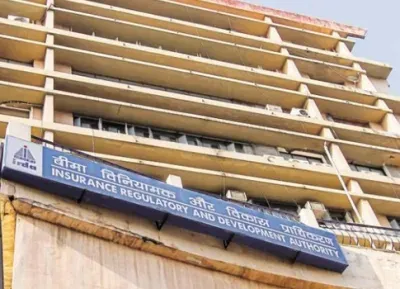
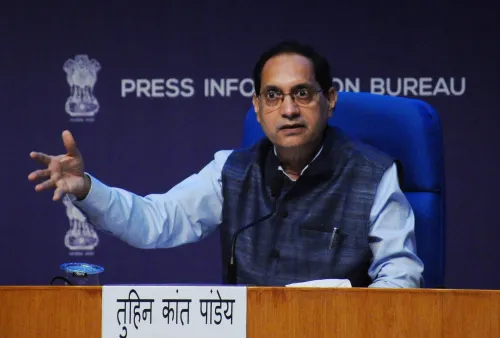
Securities and Exchange Board of India (SEBI) Chairman Tuhin Kanta Pandey on Thursday, 15 October 2026, said the market regulator has formally approached the Insurance Regulatory and Development Authority of India (IRDAI) to include insurance-related data in consolidated account statements — a move designed to give investors a single, comprehensive window into their financial holdings.
What the Push Is About
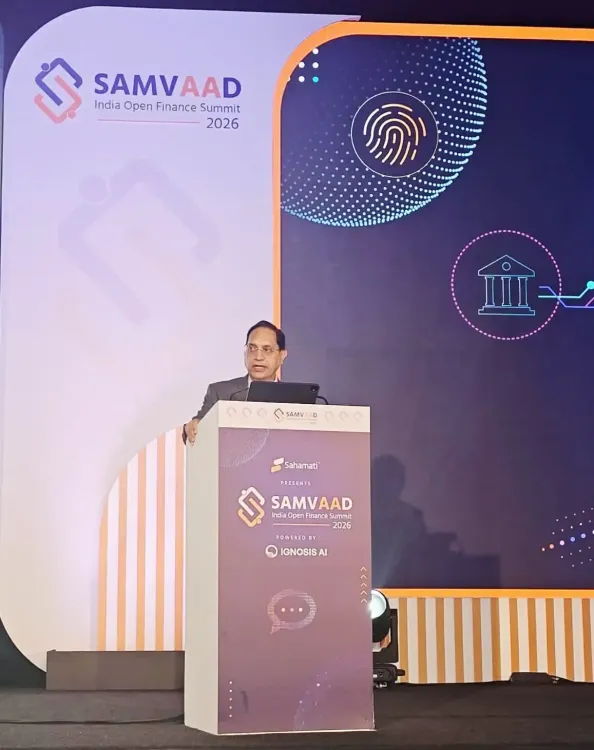
Speaking on the sidelines of Sahamati's Annual Conference in Mumbai, Pandey said the initiative is part of a broader effort to provide investors with a unified view of their financial assets and liabilities. He noted that the account aggregator framework could be a critical enabler in stitching together data across multiple financial products, further extending the utility of consolidated statements.
Currently, investors can access details of their securities holdings, mutual fund investments, stock portfolios across brokers, and National Pension System (NPS) accounts through these consolidated statements. The proposed inclusion of insurance data would meaningfully expand that scope.
Bank Deposit Integration Also in the Works
Pandey added that SEBI is simultaneously working on incorporating bank deposit information into the consolidated framework, following the Reserve Bank of India's (RBI) decision to grant SEBI-regulated depositories continuous access to such data. The regulator is currently examining the technical requirements for this integration, according to the SEBI chief.
Together, the two additions — insurance and bank deposits — would allow investors to track a significantly broader range of financial assets in one place, facilitating more informed decision-making and holistic financial planning.
MDR Discussions with NPCI Ongoing
On the merchant discount rate (MDR) issue, Pandey said talks between SEBI and the National Payments Corporation of India (NPCI) are continuing following the recent deferment of the fee. When asked whether the regulator had made representations to NPCI on behalf of capital market participants, he indicated that discussions are still underway, without providing a timeline for resolution.
Investor Awareness and SLBM Review
Pandey also highlighted SEBI's ongoing investor education drive, saying the regulator has been using digital platforms and multilingual communication channels to reach audiences across the country. Over the past nine days, SEBI has reportedly disseminated nearly 440 million investor awareness messages.
Separately, he said SEBI is examining steps to strengthen the securities lending and borrowing mechanism (SLBM), which underpins short selling in capital markets. A working group constituted for this purpose has held multiple meetings and is evaluating various proposals, though no final recommendations have been announced yet.
Why This Matters for Investors
The move to integrate insurance and banking data into consolidated statements reflects a regulatory push toward financial data interoperability — a goal that the account aggregator ecosystem has been working toward since its launch. Notably, fragmented data across insurers, banks, and depositories has long been cited as a barrier to holistic financial planning for retail investors. If the IRDAI integration proceeds, India could move closer to a model where a single statement covers securities, mutual funds, NPS, insurance policies, and bank deposits — a significant step for financial inclusion and investor empowerment.
Point of View
But the hard part is execution, not intent. IRDAI and SEBI have historically operated in parallel silos, and getting insurers — especially life insurers with complex policy structures — to share standardised data with depositories is a non-trivial technical and regulatory challenge. The account aggregator framework offers the plumbing, but uptake among insurers has been slow. Meanwhile, the 440-million investor awareness figure sounds impressive; what SEBI has not disclosed is how many of those messages translated into actionable financial literacy, which is the metric that actually matters.
NationPress
15 Oct 2026
Frequently Asked Questions
What is SEBI proposing to add to consolidated account statements?
SEBI has approached IRDAI to include insurance-related information in consolidated account statements. The regulator is also working to integrate bank deposit data following RBI's decision to allow SEBI-regulated depositories access to such information.
What information is currently available in a consolidated account statement?
As of now, investors can view their securities holdings, mutual fund investments, stock portfolios across brokers, and National Pension System (NPS) accounts through consolidated statements. Insurance and bank deposit data are not yet included.
What role does the account aggregator framework play in this initiative?
SEBI Chairman Tuhin Kanta Pandey said the account aggregator framework could be a key enabler for integrating data across financial products. It provides a consent-based, interoperable architecture that can connect banks, insurers, depositories, and other financial entities.
What is the current status of MDR talks between SEBI and NPCI?
Discussions between SEBI and the National Payments Corporation of India on the merchant discount rate remain ongoing following a recent deferment of the fee. No timeline or resolution has been announced.
What steps is SEBI taking to strengthen the securities lending and borrowing mechanism?
SEBI has constituted a working group to evaluate proposals aimed at strengthening the securities lending and borrowing mechanism, which supports short selling in capital markets. The group has held multiple meetings but has not yet released final recommendations.