Jindal Saw Q2 FY27 net profit crashes 69% to ₹47 crore on margin squeeze
Synopsis
Jindal Saw's Q2 FY27 results expose a widening gap between revenue and profitability: while the top line grew 5.6%, net profit cratered 69% to ₹47 crore as total costs outpaced income and EBITDA margin more than halved to 5.8%. The consecutive quarterly earnings slide raises pointed questions about cost management at one of India's largest pipe manufacturers.
Key Takeaways
Jindal Saw net profit fell 69.1 per cent year-on-year to ₹47 crore in Q2 FY27 , versus ₹152 crore in Q2 FY26 .
Revenue from operations rose 5.6 per cent to ₹4,472 crore , but total expenses surged 10.13 per cent to ₹4,505.22 crore .
EBITDA dropped 42.3 per cent to ₹261 crore ; EBITDA margin narrowed by 490 basis points to 5.8 per cent .
On a sequential basis, net profit fell a further 54.84 per cent from ₹104.17 crore in Q1 FY27 .
Consolidated PAT stood at ₹35.28 crore ; EPS declined to ₹0.74 from ₹1.63 in the previous quarter.
Shares closed at ₹301.60 , up 0.80 per cent on the day, with a 9.22 per cent gain over the preceding five sessions.
Jindal Saw reported a sharp deterioration in its financial performance for the second quarter of FY27, with consolidated net profit plunging 69.1 per cent year-on-year to ₹47 crore, down from ₹152 crore in Q2 FY26. The steep decline came even as the pipe and steel manufacturer posted modest revenue growth, pointing to a significant cost and margin pressure rather than a demand-side collapse.
Revenue Holds, But Margins Tell a Different Story
Revenue from operations rose 5.6 per cent year-on-year to ₹4,472 crore in the September 2026 quarter, compared with ₹4,234 crore in the same period a year earlier, supported by steady demand across Jindal Saw's product portfolio. However, that top-line growth failed to translate into profitability as costs surged simultaneously.
Total expenses climbed 10.13 per cent year-on-year to ₹4,505.22 crore from ₹4,090.90 crore, according to the company's unaudited financial results — outpacing revenue growth by a wide margin and effectively wiping out operating leverage.
EBITDA Contracts Sharply, Margins Halved
Operating performance bore the brunt of the cost escalation. EBITDA declined 42.3 per cent to ₹261 crore from ₹452 crore in the year-ago period. The EBITDA margin contracted by 490 basis points to 5.8 per cent, compared with 10.7 per cent in Q2 FY26 — a compression that reflects the twin pressures of input cost inflation and limited pricing power in key end-use segments.
Sequential Decline Adds to Concern
The quarter-on-quarter trend offers little comfort. Net profit attributable to the company's owners fell 54.84 per cent sequentially to ₹47.04 crore from ₹104.17 crore in the June 2026 quarter. Revenue from operations was broadly flat on a sequential basis, inching up just 0.44 per cent to ₹4,472 crore from ₹4,452.31 crore, while total expenses rose 4.10 per cent to ₹4,505.22 crore.
Consolidated profit after tax (PAT) fell 61.14 per cent quarter-on-quarter to ₹35.28 crore from ₹90.79 crore. Earnings per share (EPS) declined to ₹0.74 from ₹1.63 in the preceding quarter.
Stock Reaction and Company Background
Despite the weak earnings print, Jindal Saw shares closed at ₹301.60 on Friday, 16 October 2026, up 0.80 per cent or ₹2.40 for the session. Over the preceding five trading days, the stock had delivered a positive return of 9.22 per cent, gaining ₹25.45 — suggesting the market may have partially priced in the disappointment ahead of the results.
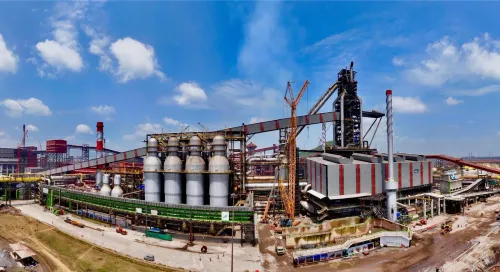
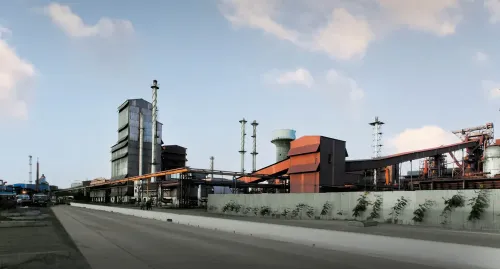
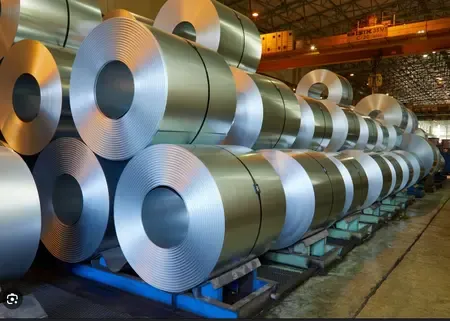
Jindal Saw is a flagship entity of the O.P. Jindal Group and one of India's leading manufacturers of iron and steel pipe products, pellets, and related industrial solutions. The company's product range includes submerged arc welded (SAW) pipes, ductile iron pipes, seamless and welded tubes, catering to sectors including oil and gas transportation, water infrastructure, and industrial applications.
With costs running ahead of revenues for two consecutive quarters, the trajectory of input prices and any recovery in project-based order flows will be closely watched in the months ahead.
Point of View
And a worrying one. Jindal Saw's EBITDA margin at 5.8 per cent is barely above break-even for a capital-intensive manufacturer, and the sequential deterioration suggests the September quarter was not an aberration. The broader pipe and steel sector is navigating input cost volatility and lumpy government infrastructure ordering cycles; Jindal Saw's numbers indicate it has so far been unable to pass those pressures downstream. Unless raw material costs ease or order realisations improve, margin recovery will remain elusive well into FY28.
NationPress
16 Oct 2026
Frequently Asked Questions
What was Jindal Saw's net profit in Q2 FY27?
Jindal Saw reported a net profit of ₹47 crore in Q2 FY27, a fall of 69.1 per cent compared to ₹152 crore in Q2 FY26. The steep decline was driven by a sharp rise in total expenses that outpaced revenue growth.
Why did Jindal Saw's profits fall so sharply?
The profit decline was primarily due to a 10.13 per cent year-on-year jump in total expenses to ₹4,505.22 crore, which outpaced the 5.6 per cent revenue increase. This cost pressure compressed EBITDA by 42.3 per cent and squeezed the EBITDA margin by 490 basis points to 5.8 per cent.
How did Jindal Saw's revenue perform in Q2 FY27?
Revenue from operations grew 5.6 per cent year-on-year to ₹4,472 crore in Q2 FY27, supported by steady demand across its product portfolio. On a sequential basis, revenue was nearly flat, rising just 0.44 per cent from ₹4,452.31 crore in Q1 FY27.
How did Jindal Saw's share price react to the results?
Jindal Saw shares closed at ₹301.60 on 16 October 2026, up 0.80 per cent on the day. Over the five trading days prior to the results, the stock had already gained 9.22 per cent, suggesting partial pre-results positioning by the market.
What does Jindal Saw manufacture?
Jindal Saw is part of the O.P. Jindal Group and manufactures iron and steel pipe products including submerged arc welded (SAW) pipes, ductile iron pipes, and seamless and welded tubes. It serves sectors such as oil and gas transportation, water infrastructure, and industrial applications.